Ukraine launched a new wave of long-range strikes against Russian energy infrastructure on Sunday while rejecting Moscow’s allegations that Ukrainian forces targeted the Russian-controlled Zaporizhzhia nuclear power plant, adding further tension to an already escalating cross-border drone campaign. Russian and Ukrainian officials offered competing accounts of the developments, while international nuclear monitors sought additional access to the contested facility.
Ukraine’s General Staff stated that Ukrainian drones struck several Russian energy-related targets overnight, including the Saratov oil refinery in southwestern Russia. The military said the refinery supports Russia’s war effort and reported that the attack caused a major fire. Local Russian authorities acknowledged damage from drone activity but provided limited details about the affected infrastructure.
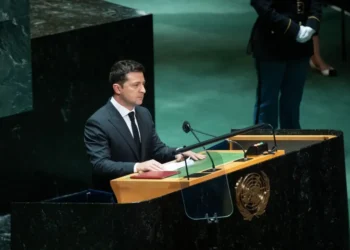
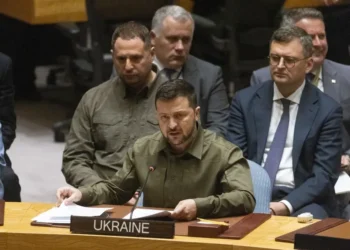
President Volodymyr Zelenskyy described the strike as a significant operation against Russian energy assets, which Kyiv argues help finance and sustain Moscow’s military campaign in Ukraine. Ukrainian forces have increasingly targeted oil refineries, fuel depots and logistical infrastructure inside Russia as drone capabilities have expanded.

Energy Infrastructure Becomes Key Battlefield
Russian regional officials reported additional attacks in the Rostov and Kirov regions.
Gov. Yuriy Slyusar said drone debris caused a fire at a fuel storage facility in the Rostov region near the Ukrainian border, prompting evacuations of nearby residents. Ukraine’s military later confirmed responsibility for the strike, saying the targeted site was located in Matveev Kurgan. Local authorities described the resulting fire as extensive.
Ukraine also claimed responsibility for an attack on the Lazarevo pumping station in Russia’s Kirov region, more than 1,200 kilometers (745 miles) from Ukrainian-controlled territory. According to Ukraine’s General Staff, the station plays a role in transporting Russian oil from Siberia toward Belarus. Regional authorities confirmed that drones struck a facility in the area but did not publicly identify the target.
The latest strikes reflect Kyiv’s continued effort to target sectors it says contribute directly to Russia’s military operations. Ukrainian officials have argued that attacks on energy infrastructure are intended to reduce Russia’s ability to finance and support its invasion, now entering its fifth year.
Dispute Emerges Over Zaporizhzhia Nuclear Plant
At the same time, Russia and Ukraine exchanged accusations regarding an incident at the Zaporizhzhia nuclear power plant, Europe’s largest nuclear facility.




Russia’s state nuclear energy company Rosatom said a Ukrainian drone struck the turbine hall of Power Unit No. 6 at the plant on Saturday. Rosatom chief Alexei Likhachev alleged that the attack was deliberate and stated that the explosion created a hole in the turbine hall wall. The company said key equipment was not damaged.
Ukraine’s military denied the allegation, describing it as a propaganda effort and stating that Ukrainian forces did not target the facility. Military officials said Ukrainian operations comply with international humanitarian law and emphasized awareness of the risks associated with attacks on nuclear infrastructure. Ukrainian authorities also stated there had been no active combat activity in the immediate area during the reported incident.
Independent verification of responsibility for the reported drone strike was not immediately available.
International Nuclear Watchdog Seeks Access
The International Atomic Energy Agency (IAEA) said it had been informed of the reported incident and requested access to inspect the affected section of the plant. According to statements from the agency, inspectors stationed at the facility sought permission to examine the turbine building directly.
IAEA Director General Rafael Grossi expressed concern about the reported strike and reiterated warnings about military activity near nuclear facilities. The agency said no radiation leak had been reported and there was no indication that core nuclear systems had been damaged.
The Zaporizhzhia plant has remained under Russian control since the early months of the war and has repeatedly been at the center of international concerns over nuclear safety. Both Moscow and Kyiv have previously accused one another of actions that could endanger the facility, while international monitors have warned that continued military activity around the site increases the risk of a serious incident.
Drone Warfare Intensifies on Both Sides
The developments come as drone warfare continues to expand across the conflict.
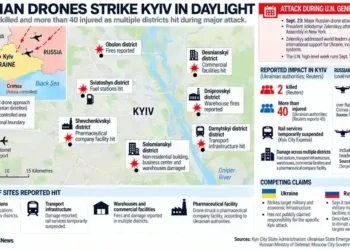
Ukraine reported intercepting hundreds of Russian drones during overnight attacks, while Russian strikes caused casualties and infrastructure damage in several Ukrainian regions. Both governments continue to rely heavily on long-range drone operations to target military, industrial and energy assets far from front-line combat zones.
With cross-border attacks increasing and competing claims surrounding sensitive infrastructure, concerns remain elevated over the potential risks to regional stability and nuclear security. Information regarding the reported incident at the Zaporizhzhia plant remains disputed, and international inspectors have not yet publicly released findings from any direct assessment.