The administration of Donald Trump is facing growing scrutiny in Washington over the evolving rationale behind U.S. military strikes against Iran, a campaign that has escalated into a broader conflict involving Israel and regional security dynamics.
Over the past week, officials across the administration have cited a range of reasons for launching the operation, from alleged nuclear threats and ballistic missile capabilities to support for proxy forces and coordination with Benjamin Netanyahu’s government in Israel. The shifting explanations have raised questions among analysts and lawmakers about the policy framework guiding the decision to use force and the extent of congressional consultation.
The operation, known as Operation Epic Fury, included coordinated U.S.–Israeli strikes that reportedly killed Iran’s Supreme Leader Ali Khamenei along with dozens of senior officials. The action marks one of the most significant military escalations between Washington and Tehran in decades.

Policy Justification Faces Intensifying Scrutiny
Administration officials have offered differing explanations for the strikes, highlighting what they describe as a combination of immediate security threats and long-term strategic concerns.
The White House said the operation was driven by the president’s assessment that Iran posed an “imminent and direct threat” to the United States. Analysts and intelligence observers, however, have questioned the clarity of that assessment.
David Schenker, a former Trump administration official now at the Washington Institute for Near East Policy, said consistent messaging typically accompanies major military actions.
“It’s standard practice to agree on the rationale before you start and then stick to delivering a consistent message,” Schenker said, noting that the current debate highlights communication challenges within the administration.
Statements by senior officials illustrate the range of justifications being presented. Marco Rubio, serving as Secretary of State, emphasized the threat posed by Iran’s missile arsenal, telling reporters that Tehran possesses large numbers of short-range ballistic missiles capable of targeting U.S. bases and partners across the Middle East.



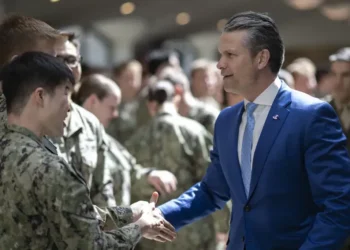
Meanwhile, Pete Hegseth, the U.S. defense secretary, argued that Iran’s development of missiles and drones formed part of a broader strategy to shield potential nuclear ambitions.
Intelligence Assessments Complicate Threat Narrative
Despite the administration’s public warnings, briefings to congressional staff reportedly indicated that U.S. intelligence agencies had not concluded that Iran was preparing an imminent preemptive strike against American targets.
Analysts say that distinction could shape how lawmakers evaluate the legal justification for the military action, particularly since the strikes were launched without formal authorization from Congress.
Naysan Rafati, a senior Iran analyst at the Washington-based International Crisis Group, said opportunity may have played a role alongside threat perceptions.
“There’s been a lot of reporting that intelligence assessments didn’t suggest an Iranian first strike,” Rafati said. “Opportunity appears to have been at least as significant a factor as the threat itself.”
Iran has long insisted that its nuclear program is peaceful, though Western governments and international inspectors have previously raised concerns about past weapons-related research. The current status of Iran’s nuclear facilities remains unclear after the strikes, in part because the country has suspended cooperation with the International Atomic Energy Agency.
U.S.–Israel Coordination Raises Strategic Questions
The administration has also framed the operation as partly linked to Israel’s security concerns, though officials have offered differing accounts of how the decision unfolded.
Rubio told reporters that U.S. officials anticipated an Israeli military operation and believed acting first could prevent greater casualties if Iran retaliated.
House Speaker Mike Johnson similarly argued that intelligence suggested Iran could have targeted American assets if Israel acted independently.
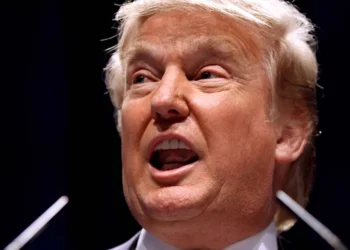
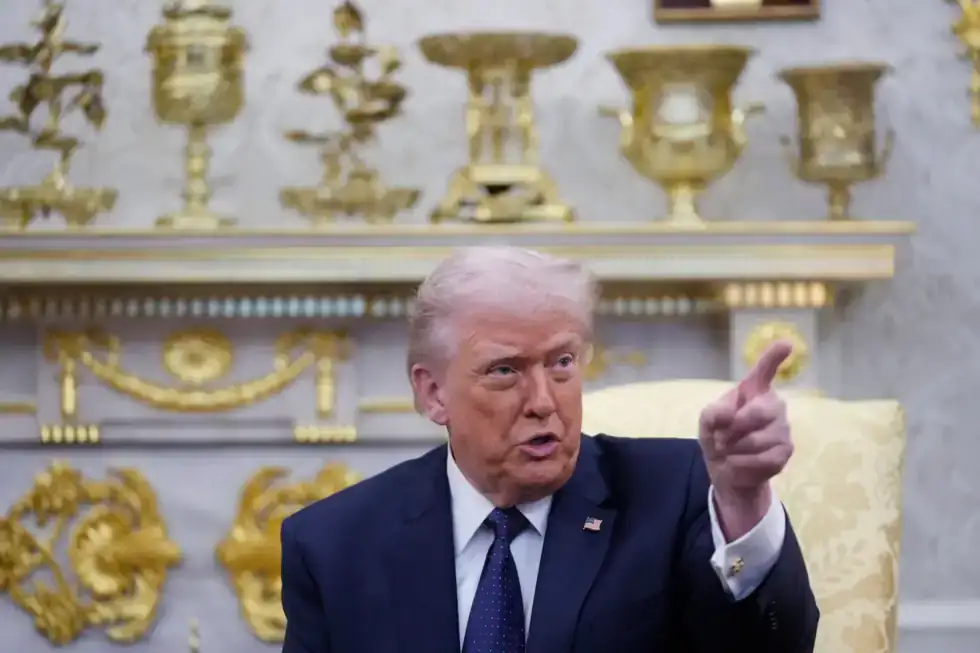
President Trump, however, rejected the idea that Israel pushed Washington toward intervention, telling reporters that if anything he may have influenced Israel’s decision to strike.
Israeli officials describe the campaign as the result of close coordination. According to an Israeli military official speaking on condition of anonymity, planning between U.S. and Israeli forces included synchronized command centers and shared intelligence in the weeks leading up to the strikes.
In a televised address, Netanyahu said Israel conducted the attacks “in full cooperation” with the United States.
Regime Change Debate Adds Political Complexity
Another unresolved question concerns the administration’s long-term objective in Iran.
Trump has previously encouraged Iranians to challenge their government and suggested that the country’s leadership could be replaced following the strikes. Yet defense officials have sought to distance the operation from a formal regime-change strategy.
Hegseth said the campaign was “not a so-called regime change war,” even as he acknowledged that Iran’s leadership structure had been dramatically altered by the strikes.
U.S. policymakers have historically approached regime change cautiously following complex outcomes in conflicts such as those in Iraq and Afghanistan. Analysts note that political transitions abroad often remain outside Washington’s direct control.
Trump himself appeared to acknowledge that uncertainty when discussing potential successors to Iran’s leadership, telling reporters that many figures previously considered as alternatives had been killed during the conflict.
Congressional Oversight Likely to Intensify
The evolving explanations for the military operation are likely to deepen scrutiny on Capitol Hill as lawmakers examine the legal authority and strategic objectives behind the campaign.
Questions about congressional authorization, intelligence assessments, and long-term policy toward Iran are expected to dominate upcoming hearings and policy debates.
As the conflict continues, political analysts say the administration will face increasing pressure to clarify its objectives, define an end-state for the operation, and outline how the United States intends to manage the regional consequences of the confrontation.