GENEVA – United Nations High Commissioner for Human Rights Volker Türk has issued an urgent warning over the deteriorating security situation in and around the Sudanese city of el-Obeid, cautioning that the conflict could lead to further atrocity crimes unless the international community acts quickly.
Addressing the U.N. Human Rights Council in Geneva on Friday, Türk described the developments in North Kordofan as a “red alert,” urging world leaders to intensify diplomatic efforts to prevent additional violence against civilians. According to the Associated Press, the warning came during an emergency debate convened by the council as fighting intensifies around the strategically important city.
Concerns Grow Over Civilian Protection
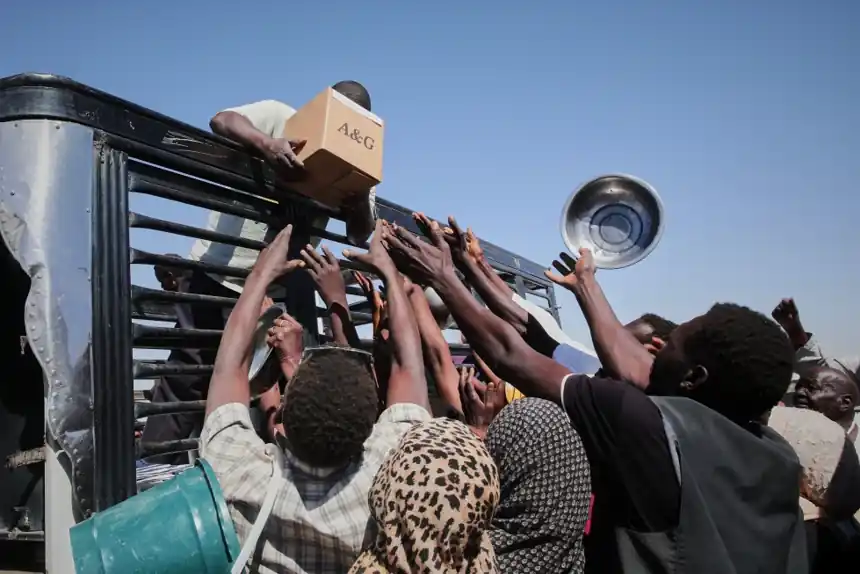
Türk told council members that conditions in and around el-Obeid point to a worsening human rights emergency, saying civilians remain caught between Sudan’s armed forces and the paramilitary Rapid Support Forces (RSF).

He urged governments to prioritize efforts aimed at preventing further atrocities not only in el-Obeid but across the wider Kordofan region, where violence has continued despite repeated international appeals for restraint.
According to Türk, communities around the city have endured prolonged insecurity, including months of severe restrictions and repeated drone attacks linked to the ongoing fighting.
Human Rights Council Considers New Resolution
The emergency session comes as the Human Rights Council considers a draft resolution introduced by Britain, Germany, Ireland, the Netherlands and Norway.
The proposed measure condemns the escalating violence attributed to the RSF and allied groups in and around el-Obeid, calls for increased international assistance to countries hosting Sudanese refugees and denounces external interference in Sudan’s conflict.
Council members are expected to continue discussions on the draft as concerns mount over the humanitarian situation.
■ Related News



Conflict Continues Into Fourth Year
Sudan’s war began in April 2023 following a power struggle between the Sudanese military and the RSF after months of political tensions.
According to figures cited by the Associated Press, the conflict has killed at least 59,000 people, displaced approximately 13 million, and contributed to famine conditions in several parts of the country. More than 30 million people now require humanitarian assistance.
Strategic City Faces Renewed Threat
The Sudanese military lifted a siege of el-Obeid in February 2025 after more than a year of isolation. Since then, the RSF has launched multiple offensives aimed at regaining control of the surrounding area and reimposing pressure on the city.
The United Nations and several governments have expressed concern over reports that RSF forces are reinforcing positions near el-Obeid, a city with an estimated population of around 500,000.
Humanitarian Conditions Continue to Deteriorate
The Office of the U.N. High Commissioner for Human Rights has warned that repeated attacks on critical infrastructure have sharply reduced access to food, fuel, clean water, healthcare and transportation for civilians living in and around el-Obeid.
As diplomatic efforts continue, international officials have stressed that preventing further civilian suffering will require increased humanitarian support alongside renewed efforts to de-escalate the conflict.
Tags: Sudan, el-Obeid, United Nations, Volker Türk, Human Rights Council, Rapid Support Forces, Sudan Conflict, North Kordofan, Humanitarian Crisis, Africa, War, Civilians