DAKAR, Senegal – Senegal’s National Assembly has approved a controversial constitutional amendment that would significantly strengthen parliamentary authority while limiting several presidential powers, marking the latest development in a growing political dispute between the country’s top leaders.
According to The Associated Press, lawmakers passed the reform package on Monday despite protests from opposition parties and civil society groups. The Senegalese government said the proposed constitutional changes will ultimately be submitted to voters in a national referendum, although no date has been announced.
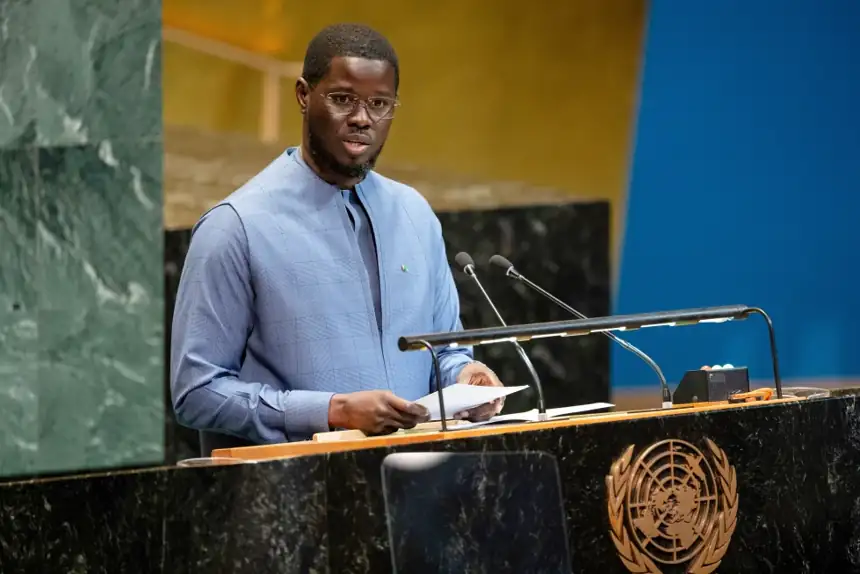
The legislation comes amid escalating political tensions between Bassirou Diomaye Faye and his former prime minister, Ousmane Sonko, who was removed from the premiership and elected president of the National Assembly last month.

Constitutional Changes Expand Parliament’s Role
The amendment, introduced by Sonko’s ruling Pastef party, would increase the powers of the legislature in several key areas.
Among the proposed changes, the government would be required to inform parliament about agreements involving the exploitation of Senegal’s natural resources. The legislation also broadens the investigative authority of parliamentary inquiry committees.
Another major provision would establish a new Constitutional Court to replace the existing Constitutional Council. The proposed court would consist of nine members instead of the current seven.
The reform would also prohibit the president from simultaneously serving as the leader of a political party, introduce new restrictions on executive decisions made between a presidential election and the official certification of results, and tighten rules governing the president’s authority to dissolve the National Assembly.
Opposition Denounces Reform
Opposition parties have criticized the constitutional overhaul, arguing that the initiative reflects political retaliation by Sonko, who continues to wield considerable influence over the parliamentary majority despite no longer serving as prime minister.



Critics contend that the reforms are motivated more by internal political rivalries than by institutional improvements.
Several opposition parties and civil society organizations called for demonstrations outside the National Assembly during Monday’s parliamentary debate.
Protesters gathered outside the legislature carrying signs reading “Hands off my Constitution!” while chanting slogans opposing the proposed amendments.
Police responded by firing tear gas to disperse demonstrators and detained several opposition leaders and activists during the protests.
Referendum to Decide Constitutional Changes
Although lawmakers have approved the constitutional amendment, the government said the reforms will not take effect immediately.
Instead, the proposed changes will be presented to Senegalese voters in a nationwide referendum, giving the public the final say on whether the constitutional revisions should become law.
Officials have not announced when the referendum will be held.
The vote is expected to become a significant test of public support for the government’s constitutional agenda as political divisions continue to shape Senegal’s evolving democratic landscape.
Tags: Senegal, Bassirou Diomaye Faye, Ousmane Sonko, National Assembly, Constitutional Reform, Pastef, Referendum, Politics, Constitutional Court, Parliament, Democracy, Africa