U.S. mortgage rates climbed to their highest levels in months this week, adding fresh pressure on homebuyers and consumers as Wall Street continued its strong market rally. The divergence between rising borrowing costs and investor optimism underscores the uneven impact of inflation and interest rate expectations across the broader economy.
According to market data and economic reports, the average rate on a 30-year fixed mortgage rose above 7%, reflecting higher Treasury yields and investor concerns that inflation could remain elevated longer than expected. At the same time, major U.S. stock indexes remained near record highs, supported by resilient corporate earnings and continued demand for technology shares.
Housing Market Faces Renewed Strain
The increase in mortgage rates has intensified affordability concerns for potential homebuyers already coping with elevated property prices and limited housing inventory. Economists said the latest rise in borrowing costs could slow home sales activity during the traditionally active spring and summer housing season.

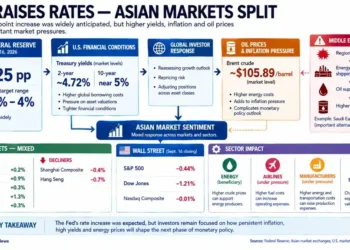
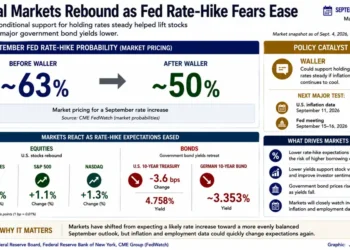
Higher Treasury yields have been a key driver behind the mortgage increase. Investors have reduced expectations for aggressive Federal Reserve interest-rate cuts after recent economic data showed inflation pressures remaining persistent. Rising oil prices and trade-related uncertainty have also contributed to concerns about future consumer costs.
Industry analysts noted that affordability pressures are especially acute for first-time buyers, many of whom are facing higher monthly payments despite modest wage growth. Housing economists said elevated financing costs could continue restraining construction demand and refinancing activity throughout the remainder of the year.
Wall Street Maintains Upward Momentum
Despite concerns affecting households, Wall Street continued posting gains as investors focused on corporate earnings strength and expectations for continued economic resilience. The benchmark S&P 500 remained near all-time highs, while the Nasdaq Composite benefited from sustained enthusiasm surrounding artificial intelligence investments and major technology firms.
Several companies reported quarterly earnings above analyst expectations, helping reinforce confidence that large corporations can continue growing profits despite higher financing costs and slowing consumer confidence. Analysts said markets are increasingly separating corporate earnings performance from broader consumer sentiment trends.
Market strategists also pointed to continued inflows into equity funds and strong institutional demand for large-cap stocks. According to financial market data, investors have largely viewed recent inflation readings as manageable enough to avoid additional Federal Reserve tightening measures.
■ Related News



Inflation and Energy Costs Remain Central Risks
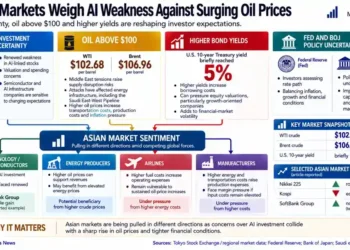
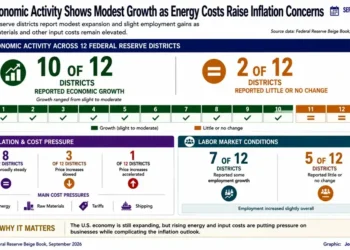
Energy prices remain an important factor influencing both consumer inflation expectations and broader financial market conditions. Oil prices have fluctuated amid geopolitical tensions involving Iran and concerns over global supply disruptions, contributing to higher gasoline costs in the United States.
Economists warned that prolonged increases in fuel prices could place additional pressure on household budgets while complicating the Federal Reserve’s efforts to guide inflation closer to its long-term target. Consumer surveys have already shown declining confidence among lower-income households affected by rising living expenses.
Trade policy uncertainty has also remained in focus after renewed discussion surrounding potential tariff measures linked to former President Donald Trump’s economic agenda. Analysts said additional tariffs could contribute to import price increases and supply-chain volatility if implemented broadly.
Labor Market Data Continues to Influence Outlook
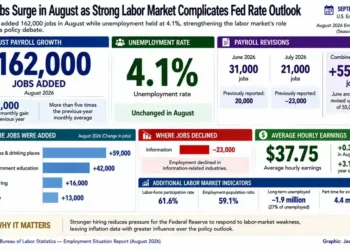
Investors and policymakers are closely monitoring labor market conditions for signs of economic slowdown or persistent wage inflation. While unemployment levels remain relatively low by historical standards, economists said any sustained weakening in hiring could affect consumer spending and corporate revenue growth later in the year.
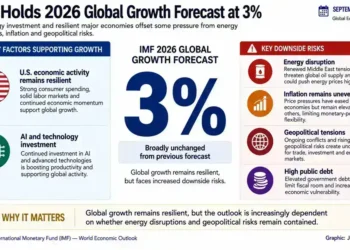
Federal Reserve officials have signaled they remain cautious about cutting interest rates too quickly until inflation shows more consistent moderation. Financial markets currently expect fewer rate cuts in 2026 than previously anticipated earlier in the year.
According to reporting by Associated Press, the combination of elevated mortgage rates, inflation concerns and resilient stock market performance reflects the complex balance currently shaping the U.S. economic outlook.