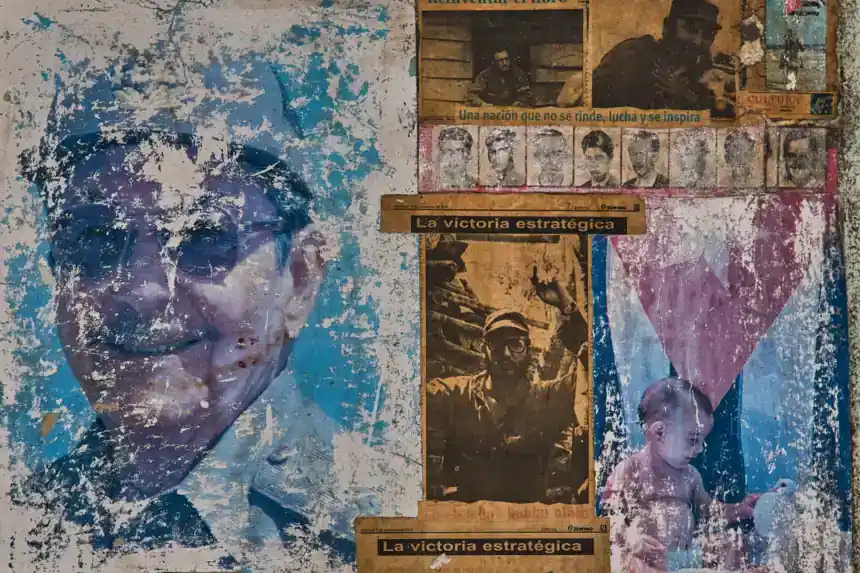
Former Cuban president Raúl Castro has returned to the international spotlight after U.S. prosecutors unveiled criminal charges tied to the 1996 downing of civilian aircraft, a move that has intensified already strained relations between Cuba and the United States.
The indictment, announced this week by U.S. authorities, accuses Castro and several former Cuban officials of involvement in the destruction of planes operated by the Miami-based exile group Brothers to the Rescue. The legal action comes as tensions between Washington and Havana continue to deepen over sanctions, regional security concerns and Cuba’s worsening economic crisis.
Since stepping down from formal leadership roles, the 94-year-old revolutionary figure has largely avoided public life, appearing only occasionally at state ceremonies and political rallies. Analysts say his limited visibility reflects Cuba’s transition to a newer generation of leadership while preserving the symbolic authority of the Castro family within the ruling communist structure.

Diplomatic Pressure Intensifies
The U.S. indictment has become the latest flashpoint in deteriorating bilateral relations. Cuban officials condemned the charges as politically motivated, while state-organized demonstrations in Havana drew thousands of supporters denouncing Washington’s actions.
According to Reuters, senior Cuban leaders including President Miguel Díaz-Canel attended rallies outside the U.S. Embassy in Havana, where protesters voiced support for Castro and criticized American foreign policy toward the island.
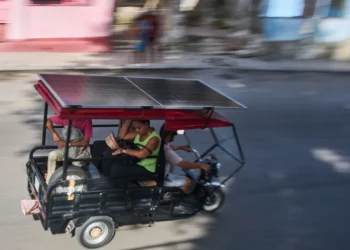
The indictment also coincides with broader geopolitical friction across Latin America. Recent U.S. pressure campaigns involving Venezuela and energy restrictions on Cuba have compounded fuel shortages and economic instability on the island, further complicating diplomatic engagement between the two countries.
Castro Maintains Symbolic Influence
Although Castro formally transferred the presidency to Díaz-Canel in 2018 and later stepped down as head of the Communist Party, political observers believe he continues to hold influence behind the scenes. William LeoGrande, a Cuba specialist at American University, told international media that the former leader is still consulted on major strategic decisions despite no longer managing daily government affairs.
Castro’s appearances have become increasingly rare in recent years. One of his latest public outings came during Cuba’s May Day celebrations in Havana, where he appeared alongside senior officials in a symbolic display of continuity amid growing domestic and international pressure.
■ Related News
His political legacy remains deeply tied to Cuba’s revolutionary era. Alongside his late brother Fidel Castro, Raúl Castro helped lead the 1959 revolution that reshaped Cuba’s political system and defined decades of confrontation with Washington.
Regional Stability Concerns Persist
The renewed focus on Castro comes at a sensitive moment for Caribbean and Latin American geopolitics. Analysts note that Washington’s increasingly aggressive posture toward Havana could affect regional diplomacy, migration flows and energy coordination throughout the Americas.
Despite speculation surrounding Cuba’s future leadership, experts suggest the current political system remains stable due to the military’s institutional role and the Communist Party’s centralized control. However, continued sanctions and diplomatic isolation could intensify economic hardship and public dissatisfaction across the island.
International observers continue to monitor whether the latest legal and diplomatic confrontation will further reduce opportunities for dialogue between the United States and Cuba, particularly as broader regional tensions remain unresolved.