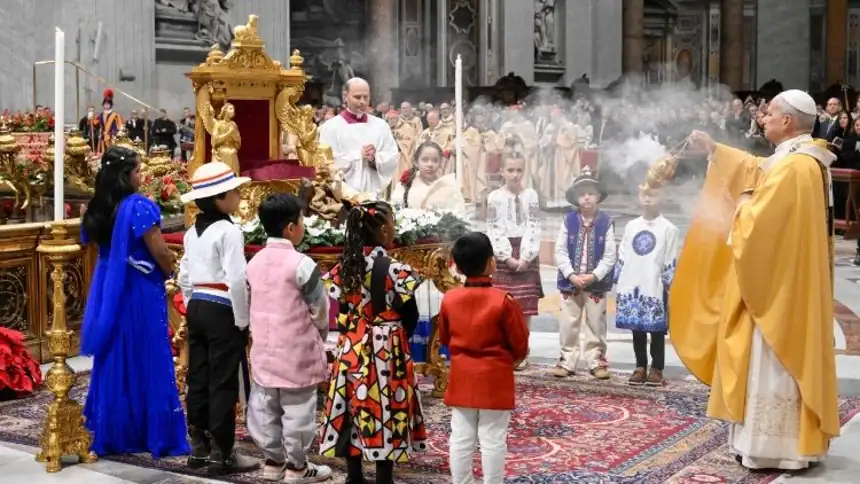
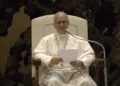
Pope Leo XIV used the Vatican’s Christmas Mass to move beyond seasonal celebration and place the Church’s message of hope squarely within today’s wider global anxieties, presenting the Nativity as a social and moral response to division, vulnerability, and eroding trust across societies. According to Vatican News, the Pope urged the faithful to “announce the joy of Christmas” as a feast rooted in faith, charity, and hope, transforming a liturgical moment into a broader appeal for human solidarity.
The dominant editorial angle here is public ethics and moral debate, with the Pope’s message extending beyond Catholic observance into a wider discussion about the dignity of human life, social responsibility, and the moral language increasingly used by global religious institutions in moments of uncertainty.
By centering the image of a vulnerable child in the manger, Pope Leo tied Christmas symbolism to contemporary concerns over human worth and social fragmentation. Vatican News reported that he described the Nativity as God entering human history in weakness rather than power, a framing that implicitly challenges cultures shaped by domination, exclusion, and indifference.

Christmas Message Recasts Human Dignity as a Social Imperative
The Pope’s emphasis on the child Jesus as a sign of hope widened the Christmas message into a civic and ethical reflection on how societies value life, especially the vulnerable. Vatican reporting noted his insistence that divine light helps humanity “recognize humanity in every new life,” linking the feast to questions of care, inclusion, and shared moral obligation.
That framing carries significance well beyond doctrine. In many regions, faith leaders increasingly intervene in debates around migration, poverty, conflict, and demographic anxiety by returning to language centered on dignity and protection of the vulnerable. Pope Leo’s Christmas homily places the Vatican firmly within that broader global discourse.
Religious Authority Broadens Its Role in Social Renewal Debates
The Pope’s remarks also reinforce the Vatican’s growing use of major liturgical events to shape ethical narratives around public life. By contrasting divine humility with human efforts to “dominate others,” the message subtly entered wider debates over political power, technological control, and social alienation—issues religious institutions now address with increasing regularity.
This matters institutionally because papal Christmas messages often resonate far beyond Catholic communities, influencing civil society groups, policymakers, and interfaith actors who look to Vatican rhetoric as a moral barometer during periods of global instability.
Hope Narrative Extends Beyond Worship Into Public Life
A key escalation in the message came through Pope Leo’s insistence that Christmas joy must be shared outwardly rather than contained within ritual observance. Vatican News linked this to the Jubilee-era language of restoring hope “wherever hope has been lost,” broadening the significance from worship into social repair and public witness.


That outward-facing framing aligns with a wider trend in global religion reporting: major faith institutions increasingly define relevance through visible engagement with social fractures rather than solely doctrinal teaching.
As geopolitical tensions, economic insecurity, and social polarization continue shaping public life, Pope Leo’s Christmas message suggests the Vatican intends to keep major religious feasts tied to ethical debates over how societies protect dignity, rebuild trust, and sustain hope beyond the sanctuary.