Prediction market platform Polymarket is facing renewed political and regulatory scrutiny after lawmakers called for formal investigations into a series of highly profitable, precisely timed bets linked to the recent U.S.-Iran ceasefire announcement. The controversy centers on whether traders may have acted on material nonpublic geopolitical information, a development that could complicate the company’s efforts to expand legally in the United States.
According to reporting by The Associated Press, dozens of newly created accounts placed concentrated wagers on a ceasefire outcome shortly before President Donald Trump publicly announced the development. The timing of those trades has shifted the dominant business angle from platform growth to regulatory pressure and market integrity, placing the company’s U.S. ambitions under heightened review.
Regulatory Pressure Builds Around Event-Based Contracts
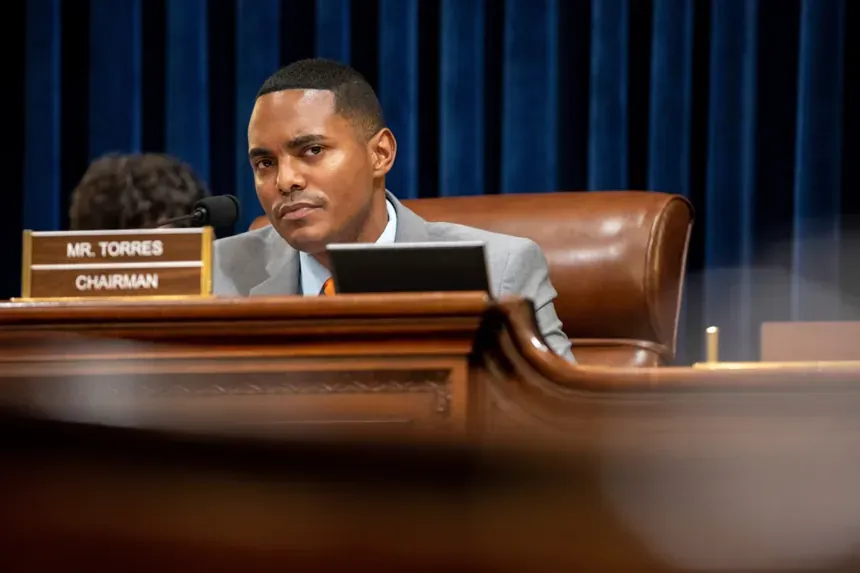
Representative Ritchie Torres, a member of the House Financial Services Committee, has urged the Commodity Futures Trading Commission to examine whether the trades suggest potential insider activity in prediction contracts tied to geopolitical events.

The issue extends beyond a single incident. Academic researchers at Harvard University recently estimated that traders with possible informational advantages may have generated roughly $143 million in profits across a range of politically and culturally sensitive contracts. While the research does not establish wrongdoing, the scale of the figure raises broader questions about surveillance, compliance architecture, and market abuse safeguards within blockchain-based prediction systems.
For U.S. regulators, the central concern is whether event contracts tied to war, diplomacy, elections, or policy decisions should be treated more like sensitive derivatives instruments requiring enhanced monitoring standards.
U.S. Expansion Strategy Faces New Risks
The timing of the scrutiny is particularly significant because Polymarket has been pursuing a structured reentry into the U.S. market after previously being barred from domestic operations in 2022.
The company’s acquisition of a CFTC-licensed exchange and clearing pathway had been viewed as a strategic corporate shift designed to secure compliant domestic growth. However, the latest controversy may increase the regulatory burden attached to that process, especially as lawmakers question whether existing anti-manipulation and know-your-customer controls are sufficient.
A separate offshore crypto-based venue, which remains outside direct U.S. regulatory jurisdiction, continues to generate the majority of platform activity. That offshore concentration may now become a focal point in any congressional or regulatory review, particularly if authorities seek to determine where suspicious geopolitical wagers originated.



Competitive Stakes Rise Across the Prediction Market Sector
The episode also has wider implications for the fast-expanding prediction market industry, including rival Kalshi, which already operates under U.S. regulatory oversight.
Both firms have been moving aggressively into mainstream event-based contracts, including sports-related markets that critics argue increasingly resemble traditional wagering businesses. The business stakes are substantial: broader U.S. approval could unlock access to a far larger addressable market spanning politics, macroeconomic events, and sports outcomes.
At the same time, bipartisan concern in Congress suggests the sector may face tighter legislative definitions around which event categories are permissible. Proposed bills in both chambers could reshape how prediction contracts linked to war, violence, and national security are listed, cleared, and supervised.
Political and Governance Questions Add to Market Complexity
The scrutiny carries an additional governance layer because of high-profile political ties around the sector. Donald Trump Jr. has financial exposure to Polymarket through venture investment interests, while also maintaining advisory links to Kalshi, adding sensitivity to any debate involving political intelligence, presidential announcements, or geopolitical forecasting markets.
For institutional observers, the immediate issue is less about individual trades and more about whether prediction markets can demonstrate controls comparable to traditional derivatives exchanges when contracts intersect with national security-sensitive information.
If regulators conclude that current compliance structures are insufficient, the result could materially affect revenue growth pathways, licensing timelines, and the long-term valuation outlook for the sector.