WARSAW, Poland – Poland and Lithuania have confirmed they are taking part in discussions about a potentially larger role in NATO’s nuclear deterrence framework, a development that reflects growing security concerns among countries on the alliance’s eastern flank.
Officials from both countries acknowledged the talks after reports emerged that the United States is considering expanding aspects of NATO’s nuclear-sharing arrangements beyond the six European countries currently involved. The discussions come as European allies seek reassurance about long-term security commitments while Russia’s war in Ukraine continues to shape the continent’s defense landscape.
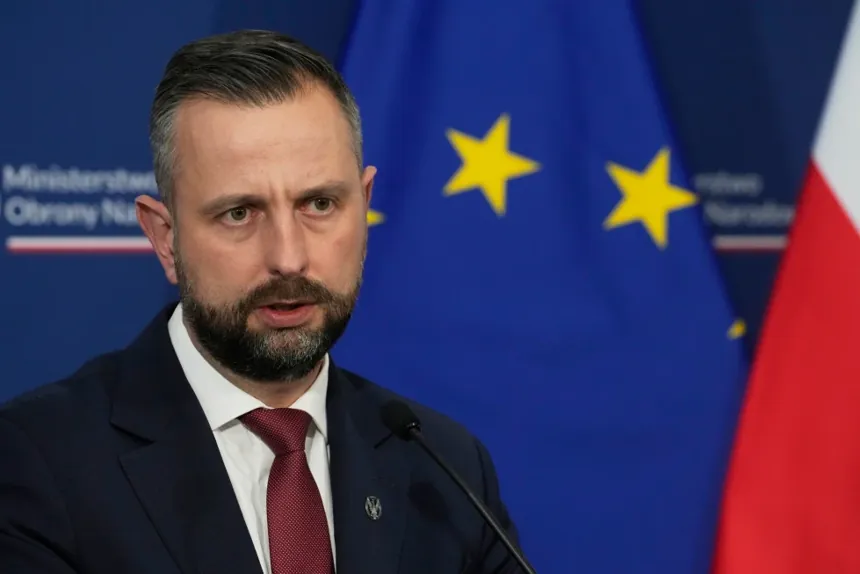
Polish Deputy Defense Minister Paweł Zalewski said Warsaw is examining ways to strengthen nuclear deterrence and increase Poland’s contribution to allied security efforts. However, he emphasized that Poland is not currently planning to host nuclear weapons, describing such a step as a matter with significant political consequences.

Lithuanian Defense Minister Robertas Kaunas also confirmed that discussions are underway, though he declined to provide details, stating that the talks remain classified. He indicated that Lithuania is actively participating in the process rather than remaining on the sidelines.
NATO’s Nuclear Framework Under Review
The discussions follow reports that U.S. officials have signaled openness to expanding elements of NATO’s nuclear deterrence posture to additional member states. According to reporting cited by officials, interest has focused on countries closest to NATO’s eastern frontier, including Poland and the Baltic states.
Under NATO’s existing nuclear-sharing arrangement, U.S. nuclear weapons are stationed in a limited number of allied countries, while participating nations maintain aircraft capable of delivering those weapons if authorized. NATO states that the alliance continues to assess its deterrence posture to ensure credibility and effectiveness in response to evolving security challenges.
Officials familiar with the discussions indicated that potential changes could involve hosting dual-capable aircraft capable of carrying either conventional or nuclear weapons. No formal decisions have been announced, and the talks remain at an early stage.
Security Concerns on NATO’s Eastern Flank
The debate comes amid heightened tensions between NATO and Russia following Moscow’s invasion of Ukraine. Eastern European allies have repeatedly argued for stronger deterrence measures because of their geographic proximity to Russia and Belarus.



Poland has previously expressed interest in a larger role within NATO’s nuclear deterrence structure. Earlier this year, Prime Minister Donald Tusk said Warsaw was seeking greater autonomy in security matters and had opened discussions with European partners regarding nuclear deterrence initiatives.
At the same time, European governments are examining additional deterrence options beyond the U.S.-led framework. Poland is among several countries participating in discussions linked to a French initiative aimed at closer nuclear cooperation with European allies, though French and NATO deterrence efforts are described as complementary rather than competing approaches.
No Immediate Decisions Expected
Neither NATO nor the governments involved have announced plans to deploy nuclear weapons in Poland or Lithuania. Officials have characterized the current discussions as exploratory, and authorities have not publicly confirmed what specific arrangements, if any, could emerge from the talks.
Defense ministers are expected to discuss nuclear deterrence issues during upcoming NATO meetings, where alliance members will continue evaluating security requirements across Europe amid ongoing regional tensions.