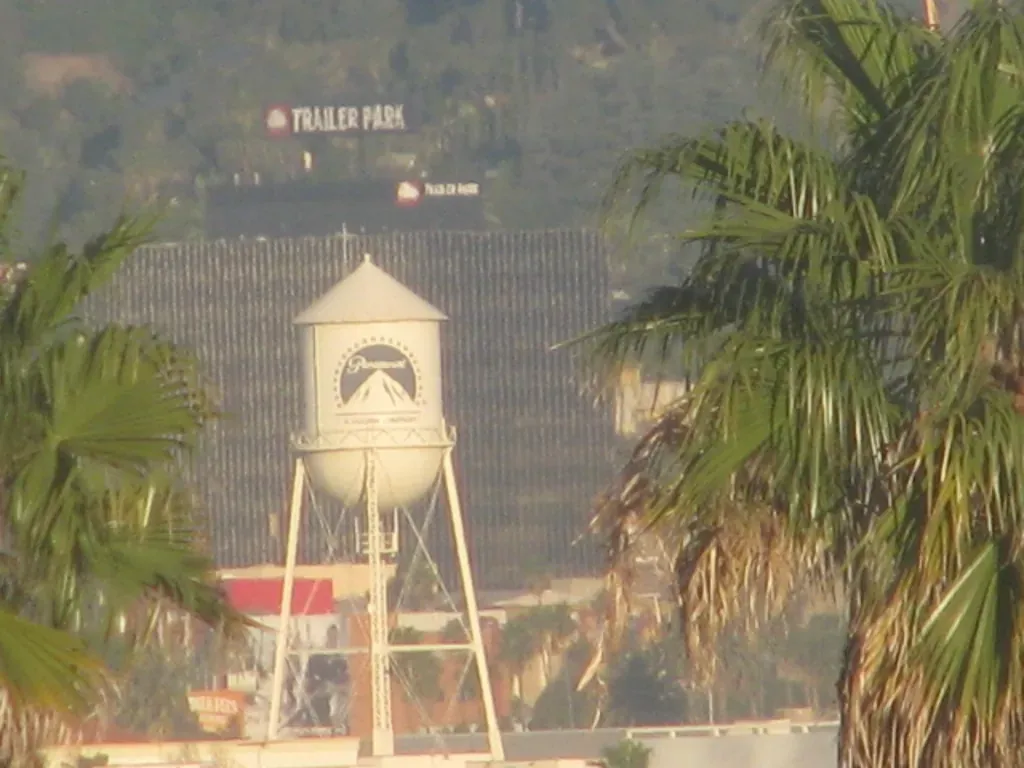
OAKLAND, United States – A federal judge on Wednesday approved a settlement between Paramount Skydance and 12 state attorneys general, removing the final major legal obstacle to Paramount’s planned acquisition of Warner Bros. Discovery.
U.S. District Judge Araceli Martínez-Olguín approved the consent decree resolving the states’ antitrust lawsuit, allowing the companies to proceed toward closing the transaction. Paramount said it expects the merger to close Oct. 6.
The transaction is valued at approximately $110 billion, including debt, and would combine two major Hollywood entertainment companies and their extensive film, television and streaming assets.

Judge approves five-year settlement
The settlement resolves litigation brought in July by California and 11 other states seeking to block the acquisition under federal antitrust law.
The states had argued that combining Paramount and Warner Bros. Discovery could reduce competition in film distribution and other entertainment markets, potentially affecting consumers, workers and the broader film and television industry.
After reviewing the proposed agreement and objections from outside groups, Martínez-Olguín concluded that the settlement represented a “fair, reasonable, and good faith approach” to the competitive concerns raised by the states. She determined that arguments for stronger remedies did not establish a legal basis for rejecting the negotiated agreement.
The approval follows a hearing the previous week at which the judge declined to immediately rule, saying she wanted additional information before deciding whether to approve the consent decree.
Film production commitments
Under the settlement, the combined company must maintain specified levels of theatrical film releases for five years.




Paramount must release at least 30 films annually during the first two years and 32 annually during the following three years. The agreement also includes requirements concerning wide releases and independent films.
The company has agreed to spend an additional $1.5 billion on U.S. film production over five years, equivalent to an additional $300 million annually under the settlement’s basic commitment.
Failure to meet certain film-release commitments can trigger financial penalties and, under specified circumstances, a requirement to divest Miramax.
Worker and cable provisions
The settlement establishes a $47.5 million workforce fund over five years for training and career development for workers displaced by the merger.
It also requires Paramount to negotiate agreements for Paramount-owned and Warner Bros. Discovery-owned basic cable channels separately for five years. Certain violations can expose the company to additional remedies, including potential divestitures.
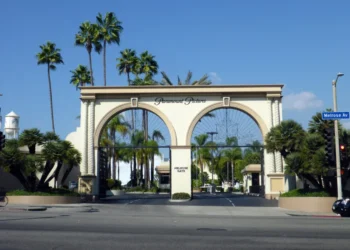
The agreement also contains provisions concerning the companies’ Hollywood production facilities and requires the combined company to maintain the Melrose Avenue Paramount lot and Warner Bros.’ Burbank lot under specified conditions.
CBS and CNN editorial oversight
The settlement requires Paramount to establish a five-member News Editorial Independence Board to oversee editorial independence at CBS News and CNN.
The board is to be established within 180 days after the acquisition closes. Its members are to be active or retired journalists with at least 10 years of experience and will serve three-year terms.
Colorado and Washington joined the broader settlement but did not agree to the editorial-board provisions. Other state officials had sought stronger structural remedies involving Paramount’s television networks.
The settlement therefore does not require Paramount to divest CBS or CNN as a condition of closing.
Federal antitrust review had already ended
The state litigation followed a separate federal antitrust review.
The Justice Department’s Antitrust Division announced in June that it had completed its investigation and determined that the proposed Paramount-Warner transaction was not likely to harm competition or American consumers in streaming video, linear television or theatrical film development, production and distribution.
The department said its investigation involved more than two million documents from more than 80 custodians, along with data and submissions from companies and other participants in the media and entertainment industry.
The states nevertheless filed their own lawsuit in July seeking to block the transaction under the Clayton Act. The subsequent settlement ended that litigation subject to the court’s approval, which has now been granted.
Merger still has to close
Wednesday’s ruling clears the legal path for Paramount and Warner Bros. Discovery to complete the transaction, but the acquisition was not completed by the time of the ruling.
Paramount has said the companies expect to close on Oct. 6. The transaction would bring Warner Bros. Discovery properties including HBO Max, CNN, TBS and HGTV into the same corporate structure as Paramount+, CBS and Paramount’s film and television operations.
Paramount also announced that Mattel Chief Executive Ynon Kreiz will become co-CEO of the combined company alongside David Ellison after the transaction closes.
Critics continue to challenge the settlement
The approval did not end criticism of the transaction.
Groups opposing the merger have argued that the settlement relies too heavily on behavioral commitments rather than requiring major structural divestitures. Some state officials had previously sought stronger remedies, including divestitures involving major cable networks.
Those objections did not persuade the court that the negotiated settlement failed the applicable legal standard. The judge’s order therefore allows the transaction to move toward completion while leaving the settlement’s five-year obligations enforceable against the combined company.
The planned Oct. 6 closing would mark the completion of Paramount’s acquisition of Warner Bros. Discovery after months of federal regulatory review, state litigation and settlement negotiations.
Reporting Credit: U.S. District Court for the Northern District of California; U.S. Department of Justice Antitrust Division; Washington State Attorney General and the coalition of 12 state attorneys general.