Mexico has announced it will investigate a U.S. indictment accusing current and former officials of ties to the Sinaloa Cartel, escalating diplomatic tensions between the two countries over jurisdiction and anti-drug enforcement.
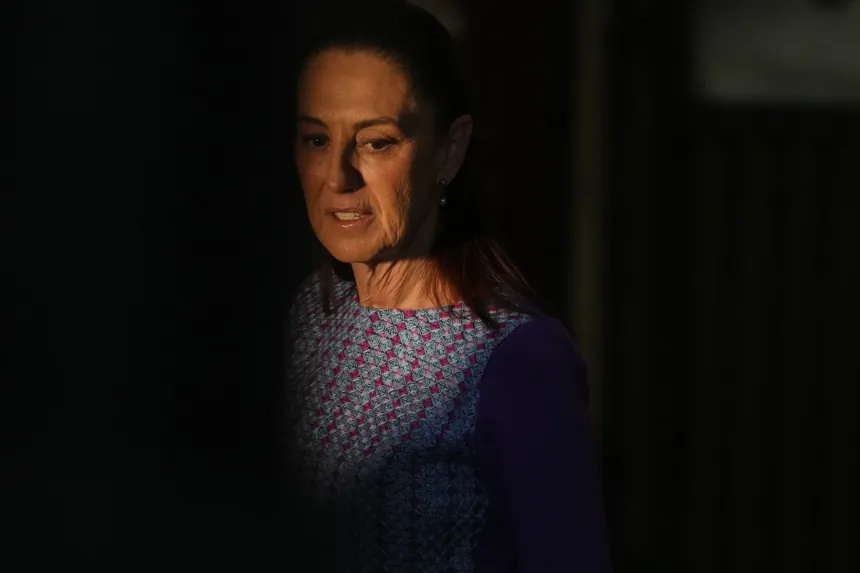
President Claudia Sheinbaum said Mexican authorities would conduct an independent review of the allegations, which were filed in a New York federal court against 10 officials, including senior political figures from the northern state of Sinaloa. The case has quickly become a focal point in U.S.–Mexico relations, raising questions about legal authority, sovereignty, and cross-border security cooperation.
Officials speaking to The Associated Press said the U.S. indictment includes charges of drug trafficking and illegal weapons possession, alleging that those named facilitated cartel operations in exchange for financial and political benefits.

Diplomatic Tensions Rise Over Legal Jurisdiction
The Mexican government has pushed back against the U.S. action, with Sheinbaum stating that her administration would not allow foreign authorities to dictate legal outcomes within Mexico. She emphasized that domestic prosecutors would assess whether sufficient evidence exists before any legal steps are taken.
According to Reuters reporting, Mexican officials have questioned the strength of the U.S. case, insisting that extradition or arrests would require “clear and compelling” evidence under Mexican law.
The dispute reflects broader friction over how both countries address organized crime, particularly as Washington intensifies efforts to target not only cartel leaders but also alleged political enablers.
Political Fallout Expands Within Mexico
The indictment has triggered a political crisis within Mexico, particularly because several of those accused are linked to the ruling Morena party. Among the most prominent figures named is Sinaloa Governor Rubén Rocha Moya, a close political ally of Sheinbaum’s predecessor.
U.S. prosecutors allege that officials provided protection, intelligence, and operational support to the cartel in exchange for bribes and electoral backing. Those implicated have denied the accusations, calling them politically motivated.



Analysts say the case places Sheinbaum in a delicate position: balancing internal political unity with external pressure to demonstrate accountability in the fight against organized crime.
Security Cooperation Faces Strategic Strain
The case comes at a time of heightened bilateral tensions over drug trafficking, particularly fentanyl flows into the United States. Washington has increasingly signaled a willingness to expand legal and enforcement measures targeting transnational criminal networks.
According to reporting from The Associated Press, Mexico has already received extradition requests linked to the indictment but indicated that the documentation provided so far does not meet the threshold for immediate action.
Security experts warn that disputes over legal authority could complicate ongoing cooperation between U.S. and Mexican agencies, which have historically worked closely on counter-narcotics operations.
Strategic Implications for Bilateral Relations
The indictment marks a significant escalation in U.S. strategy by directly targeting sitting officials rather than focusing solely on cartel leadership. Analysts interviewed by Financial Times note that this approach could redefine the scope of anti-corruption and anti-trafficking efforts across the region.
At the same time, Mexico’s insistence on handling the case domestically underscores long-standing sensitivities around sovereignty and foreign intervention. The standoff may influence upcoming negotiations on trade, security, and migration, where cooperation between the two countries remains essential.
Looking ahead, the trajectory of the investigation will be closely watched by international observers. Whether Mexico’s inquiry aligns with U.S. findings—or diverges—could shape the future of bilateral relations and determine how both nations confront the evolving challenge of transnational organized crime.