LONDON — British authorities are investigating whether an ambulance arson attack in London targeting a Jewish charity may have links to a group with alleged ties to Iran, raising concerns over potential foreign involvement in a suspected hate crime.
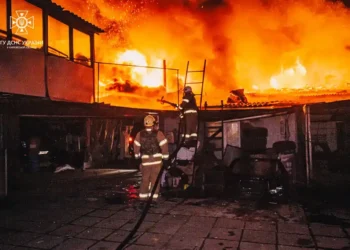
Four ambulances belonging to a Jewish volunteer emergency service were set on fire in the Golders Green area of north London early Monday. Police said the incident is being treated as an antisemitic hate crime, with counterterrorism officers leading the investigation due to possible broader security implications.
Counterterrorism Inquiry Examines Potential Foreign Links
According to the Metropolitan Police, investigators are examining an online claim of responsibility from an Islamist group, which officials say may have connections to previous attacks in Europe and potential links to Iranian networks.

London police chief Mark Rowley said authorities are “pursuing all lines of inquiry,” but stressed that it remains too early to attribute the attack to any state actor.
The incident has not been formally classified as a terrorist attack, though officials have acknowledged the severity of the act and the possibility of organized involvement. No arrests have been made, and authorities are searching for three suspects captured on surveillance footage.
Attack Raises Security Concerns in Jewish Community
The targeted ambulances, belonging to the volunteer group Hatzola Northwest, were left destroyed after the fire triggered explosions involving oxygen cylinders, damaging nearby buildings and forcing evacuations.
The attack has heightened concerns within the United Kingdom’s Jewish community, particularly in Golders Green, an area with a large Jewish population. Residents described loud explosions and widespread shock following the incident.
The UK government has condemned the attack. Prime Minister Keir Starmer described the incident as “horrific” and met with Jewish community leaders to discuss security measures and support.




Investigation Considers Online Claims and Group Activity
Authorities are examining a video posted on Telegram that appeared to claim responsibility for the attack. The group involved has reportedly claimed responsibility for previous incidents across Europe, though its authenticity and operational ties remain under investigation.
Officials are also assessing whether the group has links to wider networks associated with Iran, as part of a broader inquiry into potential external influence in the attack.
While no direct attribution has been made, security officials have pointed to increasing concerns over transnational threats targeting Jewish communities across Europe.
Rising Antisemitism and Regional Context
The attack comes amid a reported increase in antisemitic incidents across the UK since the escalation of conflict between Israel and Hamas following the October 2023 attacks.
The Community Security Trust, which monitors antisemitism, has reported a sharp rise in incidents in recent years, reflecting heightened tensions linked to the ongoing Middle East conflict.
British authorities say they are increasing security at synagogues, schools, and community centers, particularly ahead of major religious observances.
Broader Implications for European Security
The incident highlights growing concerns among European governments about potential spillover effects from Middle Eastern conflicts into domestic security environments.
If confirmed, any link between the attack and foreign-backed groups could further complicate diplomatic relations and intensify scrutiny of transnational extremist networks operating across Europe.
For now, investigators say the focus remains on identifying those responsible and determining whether the attack represents an isolated act or part of a broader coordinated effort.