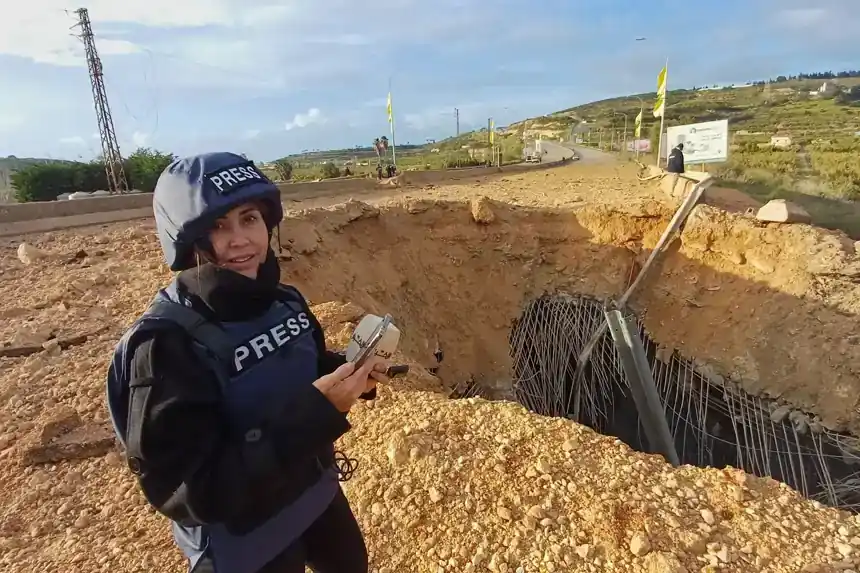
A Lebanese journalist has been killed in southern Lebanon, intensifying concerns over civilian safety and press protections as hostilities continue despite a fragile ceasefire. The incident highlights the growing risks facing non-combatants in a conflict increasingly marked by overlapping regional tensions.
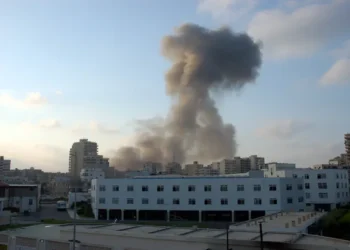
Amal Khalil, a reporter for the Beirut-based newspaper Al-Akhbar, was killed when an الإسرائيلي airstrike struck a house in the southern village of al-Tiri where she had taken shelter while reporting on the conflict. The strike followed an earlier attack near the vehicle she was traveling in, forcing her and a colleague to seek refuge, according to reporting from The Associated Press.
Lebanese health officials said the initial strike killed two people, while a subsequent strike hit the house where Khalil and photographer Zeinab Faraj were sheltering. Rescue efforts were delayed after responders came under fire, leaving Khalil trapped under rubble for hours before her body was recovered later that night.

Civilian Protection Concerns Intensify
The killing has renewed scrutiny over the safety of journalists operating in active conflict zones, particularly in southern Lebanon where hostilities between Israel and Hezbollah have escalated since early March. Khalil’s death marks one of several incidents involving media workers in the conflict, raising alarms among press freedom advocates.
Lebanese officials and media organizations have condemned the strike, describing it as a violation of international law and calling for accountability. According to Reuters reporting, at least five people were killed in the same wave of strikes, underscoring the broader civilian toll.
Competing Narratives Over Military Targeting
The Israeli military said the strikes targeted individuals and infrastructure linked to Hezbollah activity, asserting that those in the area had entered a restricted zone. Officials denied deliberately targeting journalists and stated the incident was under review.
However, Lebanese authorities and journalists’ groups have disputed this account, alleging that rescue operations were obstructed and that the attack reflects a pattern of risks faced by media workers in the region. Reports carried by international outlets indicate that emergency responders were forced to halt operations temporarily due to continued fire in the area.
Regional Stability Tested Ahead of Ceasefire Talks
The incident occurred just as renewed diplomatic efforts were being discussed to stabilize the Israel-Lebanon ceasefire, adding pressure to already fragile negotiations. Analysts note that such events complicate mediation efforts by increasing mistrust between parties and raising humanitarian concerns.


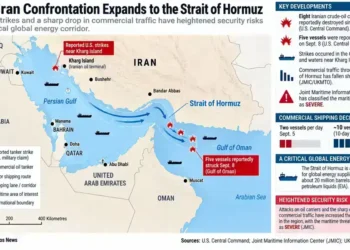
The broader conflict—linked to escalating tensions involving Iran, Israel, and the United States—has transformed southern Lebanon into a volatile front line. The death of a journalist in this context is likely to intensify international calls for restraint and stronger protections for civilians and media personnel.
International Implications for Conflict Oversight
The killing underscores the challenges facing international mechanisms designed to protect journalists in war zones. Press advocacy groups have repeatedly warned that impunity for attacks on media workers risks undermining independent reporting in conflict areas.
Looking ahead, the trajectory of the Lebanon conflict may depend not only on military developments but also on whether diplomatic efforts can address mounting humanitarian and legal concerns. The death of Amal Khalil is likely to remain a focal point in ongoing debates over accountability and the conduct of hostilities in the region.