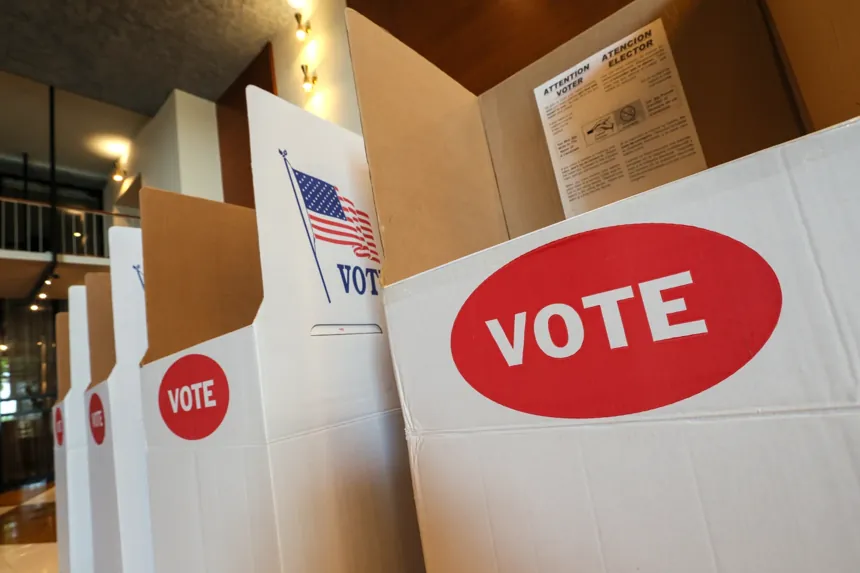
Judge Halts Expanded Federal Citizenship Verification Tool Used in Election Roll Checks
A federal court ruling found that recent changes to a government verification system may violate privacy protections and risk removing eligible voters from registration rolls.
WASHINGTON — A federal judge has blocked the use of a recently expanded federal database tool that had become a central component of the Trump administration’s efforts to help states verify voter citizenship, ruling that the system’s redesign raised significant privacy concerns and could lead to eligible Americans being removed from voter rolls.
In a decision issued Monday, U.S. District Court Judge Sparkle L. Sooknanan ruled in favor of voting rights and privacy advocacy groups that challenged modifications to the federal Systematic Alien Verification for Entitlements program, commonly known as SAVE. According to the court order, the upgraded system consolidated sensitive personal information in a manner that could jeopardize voter eligibility determinations and potentially infringe on federal privacy protections.

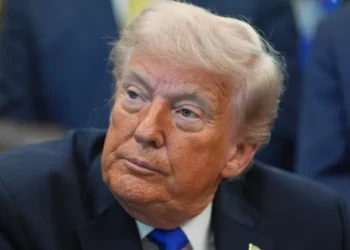
The ruling represents a significant legal setback for President Donald Trump’s broader election-related initiatives during his second term. The revised SAVE system had been incorporated into a presidential executive order aimed at expanding federal involvement in efforts to identify noncitizens on state voter registration lists.
Judge Sooknanan concluded that the agencies responsible for developing the updated system exceeded legal boundaries established by Congress regarding the handling and centralization of Americans’ personal information. The court found that the plaintiffs had demonstrated substantial concerns regarding both privacy rights and the potential impact on lawful voters.
Court Examines Privacy and Voting Rights Concerns
The lawsuit was brought by several organizations, including the League of Women Voters, the Electronic Privacy Information Center, and individual U.S. citizens. The plaintiffs argued that the revised SAVE system violated federal privacy laws and increased the risk that eligible voters could be incorrectly identified as noncitizens.
Court filings indicated that the challenge focused on the administration’s decision to significantly broaden the system’s capabilities. The plaintiffs alleged that federal agencies implemented the changes without complying with required transparency measures and repurposed sensitive information collected by various government entities.
In explaining the ruling, Judge Sooknanan wrote that the agencies combined and reused personal data belonging to millions of Americans while pursuing directives contained in an executive order focused on voter verification.
■ Related News


The court further determined that the plaintiffs had shown evidence that inaccuracies within the system could affect lawful voters. According to the ruling, some states relying on the updated database had already used information that may incorrectly classify certain U.S. citizens as noncitizens.
SAVE System Became a Key Election Enforcement Tool
The SAVE program was originally established under federal immigration law to assist government agencies in determining eligibility for certain public benefits. The Department of Homeland Security administers the system.
Beginning in 2025, the Trump administration expanded the tool’s functionality for election officials. Public announcements from the Department of Homeland Security, U.S. Citizenship and Immigration Services, and the Department of Government Efficiency outlined changes that made the database available without cost to election administrators and enabled large-scale voter registration checks.
Under the revised framework, officials could conduct bulk searches using names, dates of birth, and Social Security numbers rather than relying solely on immigration identification numbers. Supporters argued that the modifications improved the efficiency of identifying noncitizens who may appear on voter registration lists.
According to information presented during the case, at least 25 states had used the expanded SAVE system since April 2025, and approximately 67 million voter registrations had been reviewed through the platform.
Several state election officials have described the upgraded system as one of several tools available to verify voter eligibility. However, critics argued throughout the litigation that the database could produce inaccurate results and disproportionately affect naturalized citizens.
Legal Debate Centers on Executive Authority
The ruling also adds to a growing series of court challenges involving election-related executive actions issued by President Trump.
The administration has pursued multiple initiatives intended to strengthen citizenship verification and alter election administration procedures. Several of those measures have faced legal challenges questioning whether the executive branch possesses authority to implement election rules that traditionally fall under the jurisdiction of states and Congress.
Voting by noncitizens is already prohibited under federal law and may carry criminal penalties, including potential deportation. Election experts and prior studies cited in public debates have generally found documented cases of noncitizen voting to be relatively rare compared with the overall number of registered voters.
During court proceedings, attorneys representing the plaintiffs argued that naturalized citizens face a heightened risk of being incorrectly flagged because of potential inconsistencies within government databases.
The Department of Homeland Security defended the administration’s objectives following the ruling. James Percival, general counsel at the department, criticized the decision in a social media post. The Department of Justice did not immediately issue a public response.
Future of the Program Remains Uncertain
The court order prevents continued use of the revised SAVE system in its current form, creating uncertainty about the future of one of the administration’s primary election verification initiatives.
Legal experts following the case noted that the dispute raises broader questions about the balance between election security efforts, privacy protections, and the limits of executive authority.
Whether the federal government will appeal the ruling remains unclear. For now, the decision places a significant obstacle before efforts to expand nationwide voter citizenship verification through the revamped federal database.
Tags: Judiciary, Constitutional Law, Voting Rights, Election Administration, Voter Registration, Department of Homeland Security, Federal Privacy Law, Executive Authority, Court Ruling, Election Integrity,