Journos News - Breaking News, World News, Top Stories, Todays Headlines and Flash Reports
Tuesday, September 1, 2026
  • Login
  • Home
  • World
    • Africa
    • Americas
    • Asia
    • Europe
    • Middle East
    • Oceania
  • Politics
  • Business
  • Technology
  • Health
  • Science
  • Sports
  • Entertainment
  • Culture
No Result
View All Result
  • Home
  • World
    • Africa
    • Americas
    • Asia
    • Europe
    • Middle East
    • Oceania
  • Politics
  • Business
  • Technology
  • Health
  • Science
  • Sports
  • Entertainment
  • Culture
No Result
View All Result
Journos News - Breaking News, World News, Top Stories, Todays Headlines and Flash Reports
No Result
View All Result
Home Health

Is Your Peeing Pattern Normal? Here’s What It Means

When to Worry About Peeing Too Much or Too Little

The Daily Desk by The Daily Desk
November 16, 2025
in Health, Health & Wellness, Public Health & Safety
0
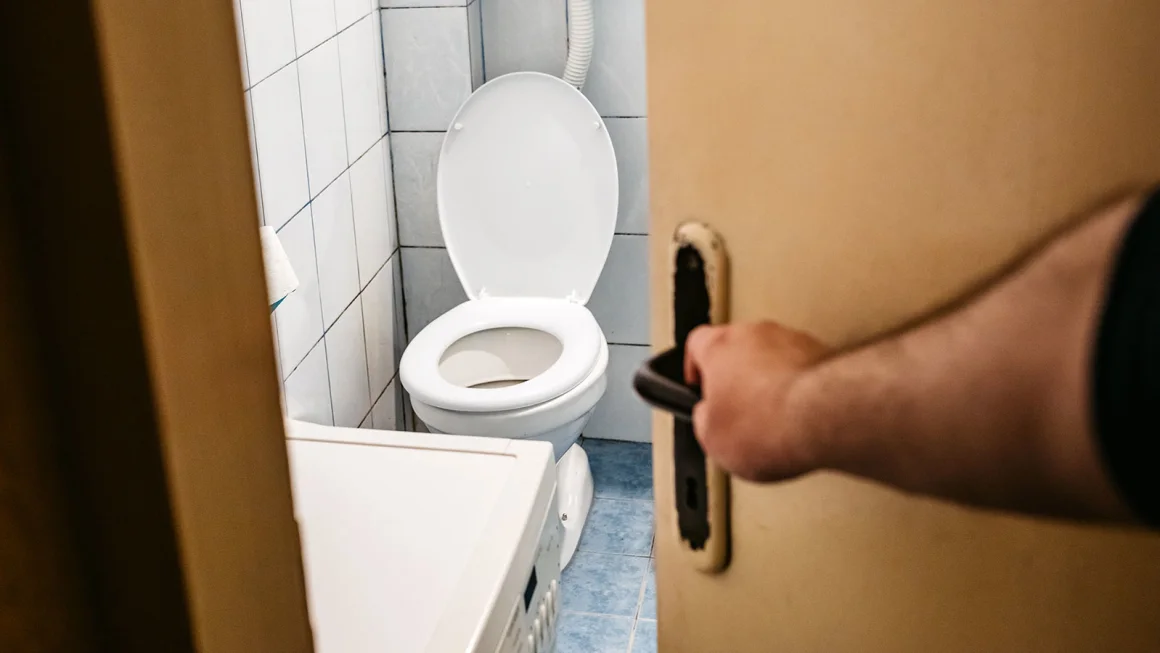
How Often You Should Pee and What It Says About Your Body - urbazon/iStockphoto/Getty Images/File

The Truth About Peeing Frequency: When It’s Normal and When It’s Not - urbazon/iStockphoto/Getty Images/File

What Your Peeing Frequency Says About Your Health

We often hear a lot about how frequently people should poop, with experts suggesting that it varies depending on various factors. But what about urination? How often should you pee, and what does your frequency say about your health?

How Often Should You Pee?

According to Dr. Jamin Brahmbhatt, a urologist at Orlando Health, the average person should urinate about six to eight times a day. Ideally, you shouldn’t be waking up at night to pee, but if you find yourself getting up more than once, it could be an indication that something isn’t quite right. During the day, it’s normal to pee every three to four hours.

However, some people may urinate up to 10 times a day, especially if they’re drinking a lot of water or beverages that stimulate frequent urination, like coffee, tea, or alcohol. These drinks can have diuretic effects that irritate the bladder. Dr. David Shusterman, a board-certified urologist, advises those bothered by frequent trips to the bathroom after drinking these beverages to cut back on caffeine or alcohol, or try diluting them.

Everyone’s body is different, and there’s no “one-size-fits-all” rule. What’s most important is knowing what’s normal for your body. If you suddenly find yourself running to the bathroom much more or much less than usual, and it’s affecting your daily life, it might be time to check in with a doctor.

Excessive Urination: What Could Be the Cause?

If you’re urinating more than usual and it’s not related to your beverage intake, several medical conditions could be to blame. Overactive bladder syndrome, diabetes, urinary tract infections (UTIs), or medications like diuretics (commonly prescribed for high blood pressure) can cause excessive urination.

Urination is controlled by a complex neurological system involving the bladder, urethra, and brain. Conditions that affect this system, like stroke, spinal cord injuries, and neurological diseases such as Parkinson’s, multiple sclerosis, and even tumors, can also lead to frequent urination.

Pregnancy can also contribute to more frequent urination since increased fluid intake and metabolic changes put more pressure on the bladder. In addition, stress and anxiety can stimulate the bladder, increasing the need to pee, as the body releases adrenaline during the fight-or-flight response.

For women, hormonal changes — especially during menopause — can affect urination. Reduced estrogen levels can lead to an overactive bladder. Dr. Jason Kim, a clinical associate professor of urology, explains that estrogen receptors are present in the bladder, which is why treatments like vaginal estrogen creams can be beneficial in managing overactive bladder symptoms.

■ Related News

Traditional Ramadan iftar meal with dates and water - AP Photo/K.M. Chaudary, File

Healthy Fasting During Ramadan: What Nutrition Science Suggests

June 15, 2026
Lactobacillus bacteria support vaginal and reproductive health - Prashanti Aswani/BBC

‘The Microbiome Is a Bit Like a Forest’: Understanding Vaginal Bacteria and Women’s Health

June 15, 2026
Ultra-Processed Foods Linked to Chronic Diseases, Experts Warn - Getty Images/BBC

Global Experts Warn Ultra-Processed Foods Pose Rising Health Risks

June 15, 2026
FDA Removes Longtime Warning from Menopause Hormone Drugs - AP Photo/Evan Vucci

FDA Removes Long-Standing Safety Warning from Menopause Hormone Therapy Drugs

June 15, 2026

When to Seek Help

If you notice that your frequent urination is affecting your quality of life, or if you’re waking up at night to pee regularly, it may be time to consult a urologist. They can help determine whether bladder training exercises or other treatments, such as medications, bladder Botox injections, or nerve stimulation, are necessary.

Bladder Botox, for instance, weakens the bladder’s nerves to reduce involuntary contractions and decrease the urge to urinate. This can be far more effective than medications for many patients.

Not Peeing Enough: What Does It Mean?

On the flip side, if you find that you’re only peeing every six to eight hours or less than four times a day, this could be a sign of dehydration or a problem with your bladder or kidneys. Low urinary frequency can increase your risk of developing a urinary tract infection (UTI), as regular urination helps flush out harmful bacteria.

If you’re not urinating often, make sure you’re getting enough fluids. The National Academy of Medicine recommends that women consume 2.7 liters (91 ounces) of fluids daily, and men should aim for 3.7 liters (125 ounces). This includes all fluids and water-rich foods, like fruits and vegetables.

If you’re holding it in too long, this could cause long-term damage, leading to kidney infections or weakened bladder muscles. If you are still not urinating enough despite maintaining healthy hydration, it’s time to see a doctor.

Why Aren’t You Peeing Enough?

Not urinating frequently enough could indicate an obstruction, such as a blocked urethra, or it could be a behavioral issue, especially for men as they age and experience prostate enlargement. For women, a tightened urethra could contribute to retention issues.

Neurological conditions like those mentioned earlier can also affect urinary function.

Treatment for Infrequent Urination

Unfortunately, there are fewer treatments available for underactive bladder. Depending on the cause, treatment options include self-administered catheterization, long-term catheterization, or sacral neuromodulation — a procedure that involves a bladder pacemaker to regulate urination. These treatments can be life-changing, so if you’re dealing with underactive bladder issues, don’t hesitate to seek help.

Conclusion

Your urination frequency can be a key indicator of your overall health. Whether you’re peeing more or less than usual, it’s important to understand what’s normal for you and take action if something changes. If you’re concerned, speak to a urologist who can help you get to the root of the issue and find an appropriate solution.


Source

Tags: #anxiety#bladder#bladderbotox#bladderdysfunction#bladderhealth#bladdertraining#dehydration#diabetes#estrogen#frequenturination#Health#HealthyLifestyle#Hydration#HydrationTips#kidneyhealth#MedicalAdvice#Menopause#neurohealth#overactivebladder#pee#peefrequency#peehealth#peeing#peeinghabits#pelvicfloor#pregnancy#stress#urinaryhealth#urinarytract#urination#UTI#waterintake
The Daily Desk

The Daily Desk

The Daily Desk is a contributor at JournosNews.com covering politics, media, governance, and the evolving dynamics of public discourse. Stories published under this byline are produced in accordance with JournosNews' editorial standards, with an emphasis on verified reporting, accuracy, context, and impartiality.

Related Posts

Why You Must Clean Your Reusable Water Bottle Daily - AP Photo/Patrick Sison

Why You Should Clean Your Reusable Water Bottle — And How to Do It Safely

June 16, 2026
Japanese Interval Walking: Boost Fitness with Simple 30-Minute Rout - gbh007/iStockphoto/Getty Images

Japanese Interval Walking: A Simple Way to Boost Fitness

June 15, 2026
How Hormones Influence Mood, Stress, and Mental Health - Getty Images

How Hormones Shape Your Mind: The Hidden Link Between Body Chemistry and Mental Health

June 15, 2026
Orthopedic Experts Share 5 Essential Exercises to Strengthen and Protect Your Knees - Getty Images

How to Future-Proof Your Knees for Lifelong Mobility

June 15, 2026
Fast Walking for Longevity: How Brisk 15-Minute Walks Daily Improve Health and Lower Premature Mortality - TravelCouples/Moment RF/Getty Images/File

Fast Walking for Longevity: How Just 15 Minutes a Day Can Improve Your Health

June 15, 2026
Scorching Conditions Ahead: Midwest Braces for Intense Heat - AP Photo/Jeff Roberson, File

Brutal Heat Dome to Scorch the U.S. from Midwest to East Coast

June 24, 2026
Back Pain Relief Could Be Just a Walk Away - FG Trade/E+/Getty Images

Walking 100 Minutes a Day May Help Prevent Chronic Back Pain, Study Finds

June 15, 2026
Study Reveals Surprising Benefits of Coffee for Aging Gracefully - Jacob Wackerhausen/iStockphoto/Getty Images

Could Coffee Be the Key to Healthy Aging? New Study Says Yes

June 15, 2026
Load More
Next Post
Private Plane Crash in Brazil's Gramado City Kills All Passengers - Reuters

Private Plane Crash in Gramado Claims 10 Lives

Unprovoked Attack: Woman Set Ablaze on NYC Subway

Tragic Attack: Woman Set on Fire on New York Subway Train

JournosNews logo

Journos News delivers globally neutral, fact-based journalism that meets international media standards — clear, credible, and made for a connected world.

  • Categories
  • World News
  • Politics
  • Business & Markets
  • Technology
  • Health
  • Science
  • Sports
  • Arts & Culture
  • Resources
  • Editorial Standards
  • Submit a Story
  • Advertise with Us
  • Syndication & Partnerships
  • Site Map
  • Press & Media Kit
  • Editorial Team
  • Careers

Join thousands of readers receiving the latest updates, tips, and exclusive insights straight to their inbox. Never miss an important story again.

  • About Us
  • Editorial & Trust Center
  • Contact Us
  • Privacy Policy
  • Terms of Use & Copyright Notice

© JournosNews.com All rights reserved.

Welcome Back!

Login to your account below

Forgotten Password?

Retrieve your password

Please enter your username or email address to reset your password.

Log In
JournosNews

Independent Journalism.
Verified Facts.

You're about to read a professionally edited article from JournosNews.com.

Every article is produced in accordance with our editorial standards, emphasizing factual accuracy, transparent attribution, fairness, editorial independence, and meaningful context.

Editorial Standards
No Result
View All Result
  • Home
  • World
    • Africa
    • Americas
    • Asia
    • Europe
    • Middle East
    • Oceania
  • Politics
  • Business
  • Technology
  • Health
  • Science
  • Sports
  • Entertainment
  • Culture

© JournosNews.com All rights reserved.

This website uses cookies. By continuing to use this website you are giving consent to cookies being used. Visit our Privacy and Cookie Policy.