The Iran war energy shock is prompting governments across Asia and Africa to accelerate nuclear power development, as disruptions to oil and gas supplies expose structural vulnerabilities in energy systems. Countries heavily dependent on imported fossil fuels are now reassessing long-term strategies, with nuclear energy emerging as a central policy response.
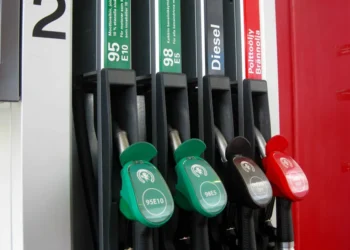
The shift reflects both immediate supply concerns and broader economic risks. Energy costs surged following disruptions to Middle Eastern shipping routes, particularly affecting Asia, where imported oil and gas account for a significant share of GDP, according to IMF data cited by Reuters.
Energy Supply Disruption Drives Policy Shift
The conflict has disrupted key maritime routes, including flows through the Strait of Hormuz, triggering volatility in global fuel markets. Asia, as the primary destination for Middle Eastern energy exports, experienced the most immediate impact, followed by African economies reliant on imported fuel.

According to reporting by the Associated Press, countries with existing nuclear infrastructure—such as South Korea, Taiwan, and Japan—have responded by increasing output or reconsidering reactor restarts.
In parallel, several governments without nuclear capacity are reviving or accelerating long-term atomic energy plans. Vietnam and the Philippines are reassessing previously shelved programs, while Bangladesh continues to expand its nuclear generation pipeline.
Africa Expands Nuclear Ambitions
Across Africa, the energy shock has intensified interest in nuclear development as a hedge against volatile fuel imports. More than 20 countries are now exploring nuclear power, with governments emphasizing long-term energy security and cost stability.
Kenya, Rwanda, and South Africa are among those prioritizing smaller-scale technologies such as modular reactors, which offer lower upfront costs and faster deployment timelines, according to AP reporting.
The shift comes as many African economies face sharp fuel price increases, with some regions reporting rises of up to 70% or more during the crisis, highlighting the economic impact of external supply shocks.

Nuclear Seen as Strategic, Not Immediate Solution
Despite renewed momentum, analysts caution that nuclear energy is not a short-term fix. Developing nuclear infrastructure typically requires long lead times, regulatory frameworks, and significant capital investment.
According to the Council on Foreign Relations, long-term commitments made during the current crisis could lock nuclear power into national energy mixes for decades.
Globally, nuclear power currently provides around 10% of electricity generation, with about 40 additional countries considering adoption, based on International Atomic Energy Agency data cited in the report.
Competing Energy Strategies and Risks
While nuclear power offers a low-carbon alternative to fossil fuels, it introduces new challenges, including radioactive waste management, safety concerns, and geopolitical risks tied to technology transfer and fuel supply.
At the same time, analysts note that renewable energy remains a competing pathway. Countries that have diversified into solar and other renewables—such as Pakistan—have shown greater resilience to fuel shocks compared to those reliant on imported gas, according to Reuters analysis.
Strategic Outlook
The Iran war’s energy shock is reshaping global energy policy beyond immediate market volatility. Governments in Asia and Africa are increasingly prioritizing energy security and diversification, with nuclear power gaining renewed policy support despite its long development horizon.
The durability of this shift will depend on geopolitical stability, financing availability, and technological deployment timelines. However, the current crisis has reinforced a broader trend: reducing dependence on imported fossil fuels is becoming a central objective for emerging and developing economies.