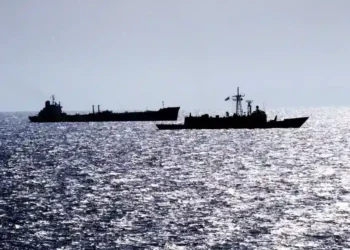
Global energy markets are facing significant disruption as conflict in Iran constrains crude oil and liquefied natural gas (LNG) shipments, particularly affecting Asia, which relies heavily on imports via the Strait of Hormuz. About 13 million barrels per day of crude oil and roughly one-fifth of global LNG transit this key corridor, according to consultancy Kpler, amplifying the region’s exposure to supply shocks.
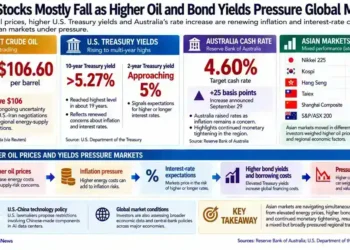
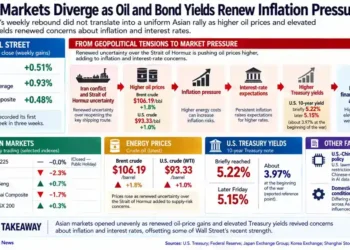
Since the outbreak of hostilities, Brent crude has risen approximately 15% to $84 per barrel, the highest level since July 2024. The U.S. has offered risk insurance for shipping and signaled potential naval protection for vessels, highlighting the geopolitical sensitivity of the region. Analysts warn that restricted flows could escalate costs globally, disproportionately affecting economies with limited purchasing power.
Asia’s Largest Importers Confront Price Pressures
China and India, the world’s first- and third-largest crude importers, face the largest exposure. China imported around 1.4 million barrels per day of Iranian crude in 2025—roughly 13% of its total seaborne imports, Kpler data shows. Most shipments are already en route, covering several months of demand, and strategic reserves provide additional buffers.

“China is unlikely to face shortages in crude supply, but the real issue is cost,” said Muyu Xu, senior crude oil analyst at Kpler. India, in contrast, has reserves sufficient for under a month. Analysts from the Institute for Energy Economics and Financial Analysis (IEEFA) in Delhi note that fuel price volatility could quickly affect transport and food costs, while a weaker rupee may exacerbate inflationary pressures.
East Asia Faces Acute Vulnerabilities
Japan, South Korea, and Taiwan are among the most exposed in East Asia. Japan imported 2.34 million barrels per day in January 2026, covering 95% of total crude needs, while also being a top LNG importer. South Korea relies on the Middle East for about 70% of its crude and 20% of LNG, according to the Korea International Trade Association. Taiwan sources nearly one-third of its LNG from Qatar, where production was halted following attacks on facilities.
Despite stockpiles and contingency plans, analysts note that reserves are temporary buffers, leaving energy-intensive industries—like Taiwan’s semiconductor sector—at risk. Renewables currently account for less than 10% of power in South Korea and Taiwan, and 22% in Japan, indicating limited alternatives in the event of prolonged disruptions.
Southeast Asia Confronts Rising Energy Costs
Developing, energy-dependent economies in Southeast Asia face heightened risks of supply competition. In Singapore, authorities have warned of higher energy bills. Manila has restricted non-essential travel, while Thailand suspended petroleum exports and increased domestic natural gas production. Spot-market LNG reliance leaves Thailand highly exposed to global price volatility, according to Amy Kong of Zero Carbon Analytics.
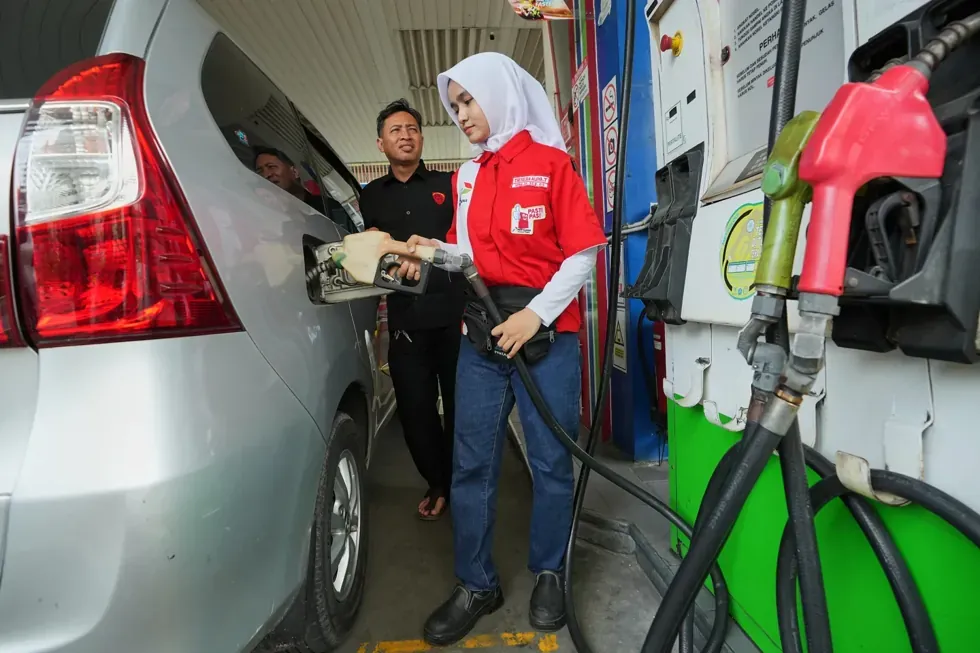
Local workers dependent on fuel, including drivers and delivery riders, are already feeling the impact. “Gasoline was already expensive. This war will make the problem even worse,” said 64-year-old taxi driver Sommit Sutar in Chiang Rai. Governments across the region are balancing short-term energy security measures with long-term pressures to diversify supply and reduce dependence on fossil fuels.