GOMA, Democratic Republic of the Congo (Journos News) — A deadly collapse at a major coltan mine in eastern Democratic Republic of the Congo has raised new concerns about the stability of global supply chains for minerals used in smartphones and other technology.
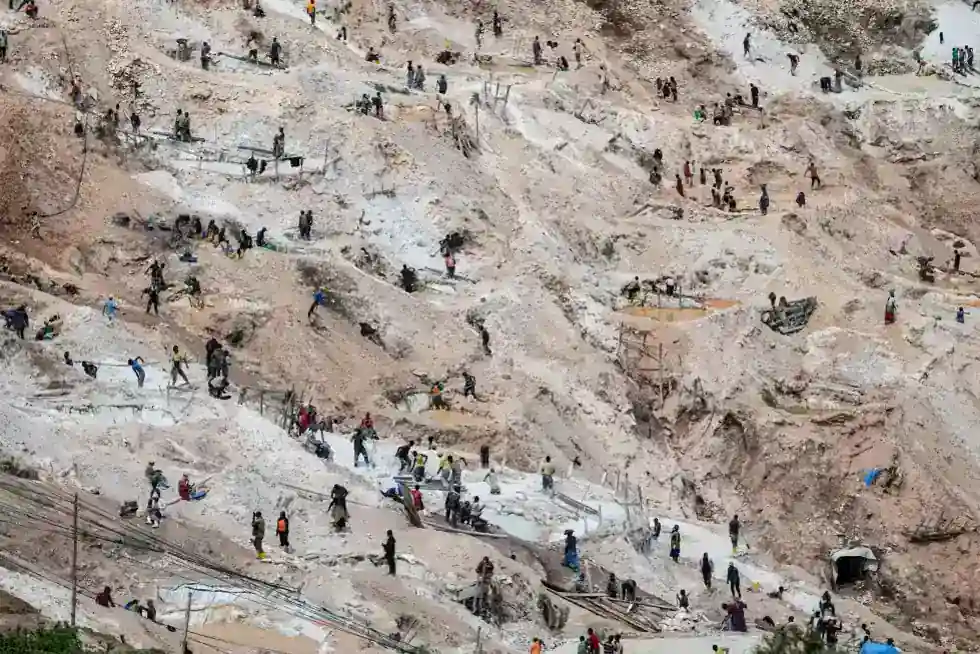
Congolese authorities say at least 200 miners died Tuesday when part of the Rubaya mining complex collapsed near the city of Goma. The site lies in territory controlled by the rebel group March 23 Movement, also known as M23.
Officials said the collapse occurred in one of the world’s most important sources of coltan, an ore that contains tantalum. Manufacturers use tantalum to produce electronic components found in phones, computers, and aircraft systems.

The disaster has drawn attention to the risks surrounding mineral extraction in conflict-affected regions that supply critical materials to the global technology industry.
Conflicting Accounts Complicate Rescue and Investigation
Authorities in Democratic Republic of the Congo say the collapse left at least 200 people dead. If confirmed, it would rank among the deadliest mining disasters in eastern Congo in recent years.
However, officials from the March 23 Movement dispute that figure. A senior M23 representative, Fanny Kaj, told local media the incident resulted from “bombings” rather than a landslide.
Kaj said only five people died in the incident.
Independent verification remains difficult because the Rubaya mining area is under rebel control. Access to the site is limited for outside observers and journalists.
■ Related News



One miner, Ibrahim Taluseke, told reporters he helped recover more than 200 bodies from the collapsed tunnels.
“We are afraid, but these are lives that are in danger,” Taluseke said. He added that some mining pit operators resisted revealing the full number of casualties.
Control of Critical Minerals Fuels Regional Instability
Rubaya lies in the mineral-rich eastern region of Democratic Republic of the Congo. Armed groups and government forces have competed for control of its mining sites for decades.
Coltan from the region contains tantalum, a rare metal used in electronic capacitors and other technology components.
The country produced about 40% of the world’s coltan in 2023, according to the United States Geological Survey. The Rubaya mines alone supply more than 15% of global tantalum.
The March 23 Movement seized the town of Rubaya in May 2024 during a renewed offensive in eastern Congo.
A report from the United Nations later said the group began taxing coltan trade and transportation in the area. The system reportedly generates at least $800,000 in revenue each month.
Diplomatic Efforts Continue Amid Ongoing Conflict
Eastern Congo remains one of Africa’s most volatile regions. Several armed groups operate there, and clashes with government forces continue.
Congolese officials and international observers have repeatedly accused Rwanda of supporting the March 23 Movement. Rwanda denies the allegations.
The conflict has fueled a large humanitarian crisis. Aid organizations estimate that more than 7 million people remain displaced across the country.
Diplomatic efforts to reduce tensions are underway. In June, the governments of Democratic Republic of the Congo and Rwanda signed a peace agreement brokered by the United States.
Negotiations between the Congolese government and rebel groups continue. However, fighting persists in several areas of eastern Congo.
The agreement also opened the possibility of greater access to Congo’s mineral resources for American companies.
Global Technology Industry Watches Supply Risks
The Rubaya collapse comes weeks after another deadly mining accident in eastern Congo reportedly killed more than 200 people.
Analysts say repeated disasters highlight the fragile conditions surrounding mineral extraction in the region.
Global demand for critical minerals continues to grow as technology production expands. That trend has increased international attention on eastern Democratic Republic of the Congo.
Experts say instability in the region now affects not only humanitarian and security conditions but also the reliability of supply chains that support the global electronics industry.