Journos News - Breaking News, World News, Top Stories, Todays Headlines and Flash Reports
Tuesday, September 1, 2026
  • Login
  • Home
  • World
    • Africa
    • Americas
    • Asia
    • Europe
    • Middle East
    • Oceania
  • Politics
  • Business
  • Technology
  • Health
  • Science
  • Sports
  • Entertainment
  • Culture
No Result
View All Result
  • Home
  • World
    • Africa
    • Americas
    • Asia
    • Europe
    • Middle East
    • Oceania
  • Politics
  • Business
  • Technology
  • Health
  • Science
  • Sports
  • Entertainment
  • Culture
No Result
View All Result
Journos News - Breaking News, World News, Top Stories, Todays Headlines and Flash Reports
No Result
View All Result
Home Lifestyle

How Soon Is Too Soon to Visit After a Natural Disaster?

Experts say timing, empathy, and community benefit should guide post-disaster travel decisions.

The Daily Desk by The Daily Desk
November 11, 2025
in Lifestyle, Travel & Adventure
0
Experts Explain How to Travel Responsibly After a Natural Disaster - Getty Images via BBC

Post-Disaster Travel: When It’s Safe — and Respectful — to Return - Getty Images via BBC

When Should You Travel to a Destination Recovering from Disaster?

As hurricanes, floods, and wildfires intensify around the world, travelers are increasingly facing an ethical question: when is it appropriate to return to a destination recovering from a natural disaster? The answer, experts say, depends on a careful balance between safety, sensitivity, and community support.

Less than a week after Hurricane Melissa struck Jamaica, leaving 72% of residents without electricity and causing an estimated $6–7 billion in damages, the country’s tourism minister announced plans to reopen by mid-December — in time for peak tourist season.

But with thousands still displaced, many potential visitors are wondering: is it too soon?

Traveling After Disaster: A Growing Dilemma

The question of when to visit after catastrophe is not new — but it’s becoming increasingly urgent. As climate change drives more intense storms, floods, and wildfires, tourism-dependent economies must weigh the need for revenue against the emotional and physical recovery of residents.

Experts say travelers should evaluate whether their trip will help or hinder recovery efforts and how their presence might affect locals still coping with loss.

Is Your Visit Helping the Community?

Following Hurricane Maria in 2017, Puerto Rico reopened to tourists just three months after the storm. While the return of visitors brought economic relief, many locals — still without power or running water — felt anger and frustration.

“I think it left a bad taste in locals’ mouths,” said Mikey Cordero, co-founder of the Defend Puerto Rico Media Collective. “You’re enjoying what local people built, but it doesn’t trickle back down to us.”

Cordero emphasized that travelers should ensure their spending directly supports local communities, especially in regions dominated by all-inclusive resorts or cruise tourism, where profits often flow to corporations abroad.

■ Related News

Damaged apartment building after deadly earthquakes in Venezuela's La Guaira - AP Photo/Pedro Mattey

Venezuelan Survivor Escapes Two Major Disasters in La Guaira, Vows Never to Return

July 1, 2026
Paris mortuary overwhelmed during France's record-breaking summer heat wave - AP Photo/Christophe Ena, File

Heat Wave Death Toll Strains Paris Mortuaries as France Faces Mounting Human Cost

June 29, 2026
Extreme heat grips Europe as temperatures reach record-breaking levels. - AP Photo/Alessandra Tarantino

France Reports Around 1,000 Excess Deaths as Extreme Heat Sweeps Across Europe

June 29, 2026
Paris skyline during record-breaking heat wave across - AP Photo/Christophe Ena

France Records Hottest Day on Record as Europe Struggles Through Early Heat Wave

June 24, 2026

Simple choices — like staying at locally owned accommodations, eating in neighborhood restaurants, and buying from small vendors — can help disaster-stricken communities recover faster and more equitably.

Are You Helping or Just Watching?

After Hurricane Katrina devastated New Orleans in 2005, a controversial wave of “disaster tours” emerged, bussing visitors past destroyed neighborhoods.

“There were still boats in trees and houses sitting on top of barges,” recalled Jason Bradberry, a longtime resident. Public backlash eventually led city officials to ban tours in the worst-hit areas, such as the Lower Ninth Ward.

“No one wants to be cleaning out the remnants of their family home while a tour bus drives by,” said Kelly Schultz, senior vice president at New Orleans & Company, whose own family lost their house during the storm.

However, Schultz noted that another kind of visitor made a genuine difference: voluntourists. “We had college students who came here for spring break to help rebuild churches and schools,” she said. “You could be on a beach, but you chose to come gut somebody’s home.”

Schultz added that welcoming back visitors who respected the recovery process helped preserve the city’s cultural identity. Campaigns like “Soul is Waterproof” highlighted New Orleans’ resilience through its music, cuisine, and traditions.

Organizations such as the Red Cross, Habitat for Humanity, and local community groups continue to offer volunteer opportunities for those who want to contribute rather than simply observe.

Are You Listening to the Locals?

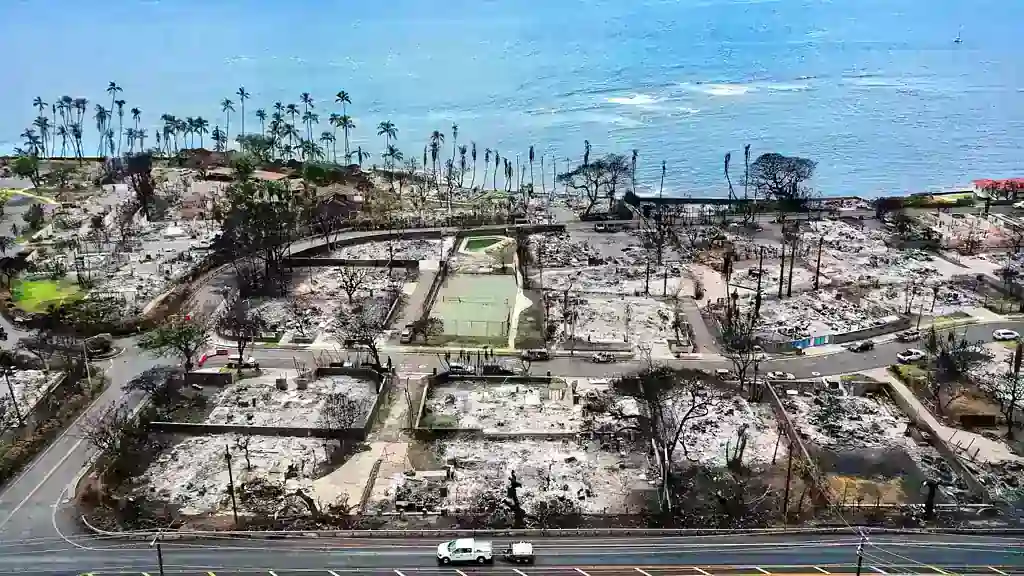
In 2023, wildfires tore through Maui, destroying large portions of Lāhainā and displacing thousands. Hawaiian officials quickly called for a temporary halt to tourism to ensure that resources could focus on residents.

“The moratorium lasted about a week,” explained Ilihia Gionson of the Hawaii Tourism Authority, “but the key was that locals played a central role in deciding when and how to reopen.”

Officials conducted a rapid needs assessment, revealing that over a third of affected residents cited financial or housing instability as their top concern. With nearly 60,000 jobs tied to visitor spending, the recovery plan emphasized restoring tourism — but only in a way that respected those still rebuilding.

Visitors were discouraged from entering devastated neighborhoods and instead encouraged to support local businesses and donate to relief efforts.

“The outpouring of aloha was heartwarming,” Gionson said. “People from around the world offered help, donations, and expertise.”

So How Soon Is Too Soon?

There’s no single timeline for when a destination should reopen after a disaster. Experts agree that decisions should hinge on transparent communication, community input, and visitor sensitivity.

Before booking a trip to a recovering area, travelers should ask:

  • Is the local infrastructure ready for visitors?

  • Will my visit provide economic support or strain limited resources?

  • Am I respecting local requests and boundaries?

  • Can I volunteer or contribute to recovery efforts?

As Gionson notes, the goal is to ensure that reopening tourism benefits everyone — not just visitors. Respectful travel, he says, should align with the community’s recovery needs, not compete with them.

Ultimately, “how soon is too soon” depends less on the calendar and more on how visitors choose to show up — with empathy, awareness, and a willingness to help rebuild.

Source: BBC – How soon is too soon to visit after a disaster?

Tags: #ClimateCrisis#CommunitySupport#DisasterRecovery#EcoTravel#globaltravel#HurricaneRecovery#RebuildingTogether#ResponsibleTravel#SustainableTourism#tourismimpact#TravelEthics#WildfireRelief
The Daily Desk

The Daily Desk

The Daily Desk is a contributor at JournosNews.com covering politics, media, governance, and the evolving dynamics of public discourse. Stories published under this byline are produced in accordance with JournosNews' editorial standards, with an emphasis on verified reporting, accuracy, context, and impartiality.

Related Posts

Residents facing severe weather prepare emergency plans to reduce stress - AP Photo/Gerald Herbert

Extreme Weather Anxiety on the Rise as Experts Urge Preparedness and Support

June 15, 2026
Construction activity along Brazil’s BR-319 highway through the Amazon rainforest - AP Photo/Fabiano Maisonnave, File

Brazil Expands Amazon Highway Project Despite Growing Deforestation Warnings

May 28, 2026
People seek shade during record-breaking heat wave in Europe - Gareth Fuller/PA via AP

Exceptionally Early European Heat Wave Breaks Records and Triggers Multiple Deaths

May 27, 2026
Climbers move through the dangerous Khumbu Icefall on Mount Everest - AP PhotoPasang Rinzee Sherpa, File

Everest Climbing Season Begins Under Heightened Risk and Rising Financial Pressure

May 8, 2026
Health workers respond to hantavirus outbreak linked to cruise ship - AP Photo/Misper Apawu

Argentina Faces Rising Hantavirus Cases as Cruise Ship Outbreak Draws Global Alarm

May 13, 2026
Illegal gold mining activity causing deforestation in Brazil’s Amazon rainforest - AP Photo/Edmar Barros, File

Illegal Mining Surge in Brazil’s Amazon Drives Environmental Crisis With Global Climate Impact

May 13, 2026
Aircraft refueling amid jet fuel shortage affecting global airline operations - AP Photo/Christophe Ena, File

Jet Fuel Shortage Tightens Global Aviation Margins as Supply Strains Deepen

May 11, 2026
Passengers stranded at Dubai airport amid Middle East airspace closures - AP Photo/Hassan Ammar

Hundreds of Thousands of Travelers Stranded as Middle East Airspace Closes After US‑Israel Attack on Iran

March 1, 2026
Load More
Next Post
Amazon’s Pink Dolphins Caught Stealing Fish in Rare Underwater Photos - Thomas Peschak via BBC

Amazon’s Pink River Dolphins: The ‘Great Thieves’ Captured Beneath the Surface

Europe Boosts Anti-Drone Defenses as NATO Faces Rising Aerial Threats - AP Photo/James Brooks

Europe’s Anti-Drone Race Intensifies Amid Rising Aerial Threats from Ukraine War

JournosNews logo

Journos News delivers globally neutral, fact-based journalism that meets international media standards — clear, credible, and made for a connected world.

  • Categories
  • World News
  • Politics
  • Business & Markets
  • Technology
  • Health
  • Science
  • Sports
  • Arts & Culture
  • Resources
  • Editorial Standards
  • Submit a Story
  • Advertise with Us
  • Syndication & Partnerships
  • Site Map
  • Press & Media Kit
  • Editorial Team
  • Careers

Join thousands of readers receiving the latest updates, tips, and exclusive insights straight to their inbox. Never miss an important story again.

  • About Us
  • Editorial & Trust Center
  • Contact Us
  • Privacy Policy
  • Terms of Use & Copyright Notice

© JournosNews.com All rights reserved.

Welcome Back!

Login to your account below

Forgotten Password?

Retrieve your password

Please enter your username or email address to reset your password.

Log In
JournosNews

Independent Journalism.
Verified Facts.

You're about to read a professionally edited article from JournosNews.com.

Every article is produced in accordance with our editorial standards, emphasizing factual accuracy, transparent attribution, fairness, editorial independence, and meaningful context.

Editorial Standards
No Result
View All Result
  • Home
  • World
    • Africa
    • Americas
    • Asia
    • Europe
    • Middle East
    • Oceania
  • Politics
  • Business
  • Technology
  • Health
  • Science
  • Sports
  • Entertainment
  • Culture

© JournosNews.com All rights reserved.

This website uses cookies. By continuing to use this website you are giving consent to cookies being used. Visit our Privacy and Cookie Policy.