As a new year begins, many people set out to improve their health and well-being. Yet those intentions can quickly feel overwhelming, drowned out by a steady stream of advice from social media, advertisers, wellness influencers, friends and political debates over public health.
Health experts say that confusion is understandable — but largely unnecessary. Reporting throughout the year by The Associated Press shows that most credible medical guidance still points to the same conclusion: sustainable health gains come from simple, well-established habits rather than expensive products or viral trends.
As 2026 gets underway, here is what experts say you can ignore, what deserves attention, and how to find reliable health information when the noise inevitably returns.

Protein and fiber matter, but costly add-ons usually do not
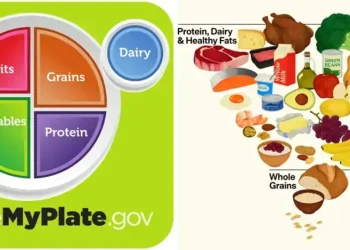
Dietary trends continue to market protein-enhanced snacks, powders and supplements at premium prices. Nutrition specialists say most people eating a reasonably balanced diet already meet their protein needs and gain little from paying extra for fortified products.
Fiber is a different story. Many people fall short of recommended intake, which is linked to digestive health, heart health and better blood sugar control. But experts caution against extreme approaches such as “fiber-maxxing.” Instead, they recommend increasing intake through whole foods, including fruits, vegetables, beans and whole grains, which provide additional nutrients beyond fiber alone.
Skin care does not require luxury products or complex routines
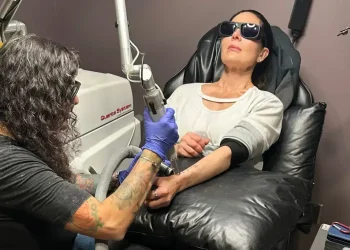
Dermatologists consistently advise that effective skin care does not depend on elaborate routines or high-priced serums promoted online. Core recommendations remain straightforward: gentle cleansing, regular moisturizing when needed, and daily sunscreen use — regardless of skin tone.
Experts also discourage trending practices such as using animal fats or excessively long, multi-step showers. According to dermatologists, short, simple showers help protect the skin’s natural barrier, and repeated cleansing offers no proven benefit for most people.
Exercise does not require a gym membership
For those intimidated by gyms or specialized equipment, health researchers point to the renewed interest in calisthenics — bodyweight exercises that can be done at home with minimal space. Studies show these movements can improve muscle strength and aerobic fitness, particularly for beginners.
While weight training and other equipment-based workouts can add benefits over time, experts say the most important factor is consistency. Simple routines that people can maintain are more effective than ambitious programs that quickly fall apart.
Wellness fads often promise more than they deliver
Doctors urge caution toward treatments marketed as quick fixes. Intravenous vitamin infusions, popularized as hangover cures or immune boosters, generally provide nutrients that most people already obtain through food or standard supplements, if they need them at all. Medical professionals note that excess vitamins are typically excreted by the body without added benefit.
Similarly, microbiome testing kits frequently produce data that clinicians cannot yet translate into treatment. Continuous glucose monitors, while essential for people with diabetes, offer little proven value for those without the condition, according to current evidence.
The basics still drive long-term health
Despite constant innovation in wellness products, decades of research continue to support a set of foundational habits that benefit both physical and mental health.
Regular walking remains one of the most effective forms of exercise, linked to improved cardiovascular health, mood and cognitive function. Some doctors now formally prescribe time outdoors as part of patient care.
Managing core health indicators also plays a central role. Conditions such as high blood pressure often go undiagnosed and can lead to serious complications if untreated. Adequate sleep, mindful eating — including slowing down at meals — and routine checkups all contribute to long-term well-being.
Mental health deserves equal attention. Experts emphasize setting boundaries with technology, rebuilding attention spans strained by constant digital input, and strengthening social connections. Research shows that strong relationships and emotional support reduce the risk of cognitive decline and other chronic conditions later in life.
When health advice conflicts, your doctor remains the best guide
Public debate over medical topics has intensified in recent years, including questions about food additives, fluoride in dental care, vaccines for newborns and hormone therapies for menopause. While medical guidance continues to evolve, experts stress that individual care decisions are best made with a qualified health professional who understands a patient’s history.
Social media testimonials and targeted advertising can be persuasive but often lack context or scientific backing. Physicians remain the most reliable source for personalized advice on prevention, diagnosis and treatment.
For those who search online before an appointment, experts advise using reputable medical sources and avoiding self-diagnosis. Preparing written questions in advance can help patients make the most of limited time with their doctor and ensure they understand any recommendations.
As health messaging grows louder in 2026, experts say the core message remains unchanged: lasting improvement rarely comes from shortcuts. Instead, it is built through simple, evidence-based choices repeated over time.
This article was rewritten by JournosNews.com based on verified reporting from trusted sources. The content has been independently reviewed, fact-checked, and edited for accuracy, neutrality, tone, and global readability in accordance with Google News and AdSense standards.
All opinions, quotes, or statements from contributors, experts, or sourced organizations do not necessarily reflect the views of JournosNews.com. JournosNews.com maintains full editorial independence from any external funders, sponsors, or organizations.
Stay informed with JournosNews.com — your trusted source for verified global reporting and in-depth analysis. Follow us on Google News, BlueSky, and X for real-time updates.