Guatemala – President Bernardo Arévalo has denied reports that his government agreed to allow joint U.S. military strikes against drug trafficking groups on Guatemalan territory, amid growing regional scrutiny over Washington’s expanding anti-cartel strategy in Latin America. Government statements issued Thursday said existing cooperation with the United States remains limited to previously established security agreements and does not authorize foreign military operations inside the country.
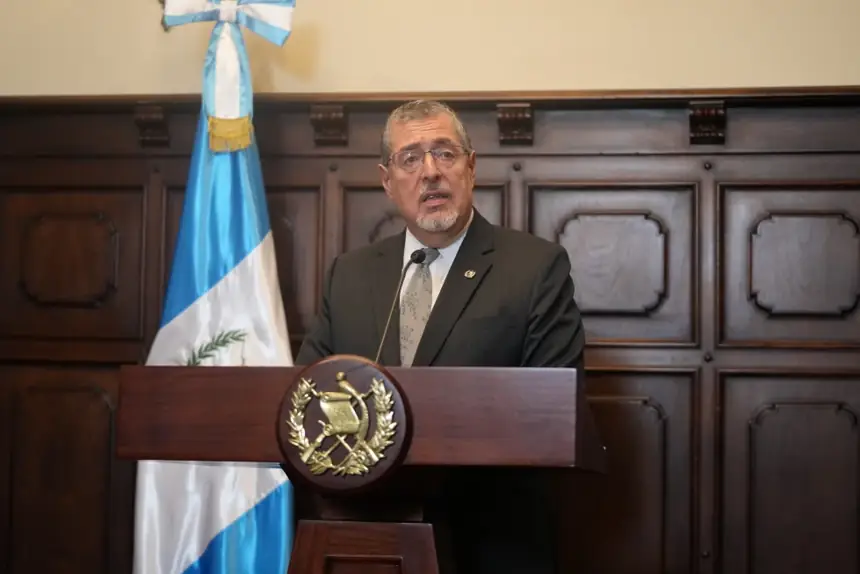
The controversy emerged after The New York Times reported that Guatemala had agreed to participate in joint strikes targeting drug trafficking organizations. Speaking at a news conference in Guatemala City, Arévalo rejected the claim and stated that no new agreement had been signed. He said cooperation with Washington continues through maritime interdictions, training programs and logistical support already covered under existing bilateral arrangements.
“There is no agreement,” Arévalo said, according to Associated Press reporting, adding that the collaboration being discussed falls “within the framework of existing agreements.”

Sovereignty Concerns Shape Regional Debate
The issue has intensified concerns across Latin America over balancing anti-drug cooperation with national sovereignty, particularly as the Trump administration expands security operations in the region.
Arévalo stated that Guatemala’s constitution only permits Congress to authorize foreign military operations on national soil and emphasized that his administration has not requested such approval. Official government statements also reiterated that no foreign military deployment has been authorized within Guatemala.
When questioned about the reported arrangement, acting Pentagon press secretary Joel Valdez declined to discuss potential operations but said the U.S. Department of War continues to work with regional partners against drug trafficking and transnational crime.
The Guatemalan government later released letters and official communications between Defense Minister Henry Sáenz and U.S. Secretary of War Pete Hegseth outlining requests for equipment, training and technical assistance under pre-existing agreements.
Expanding US Operations Raise Regional Pressure
The dispute comes as Washington increases military and security involvement across parts of Latin America under a broader anti-cartel campaign.

Reuters and other international reporting noted that the United States has expanded cooperation initiatives with several regional governments while pressing allies to intensify action against trafficking networks.
Recent operations linked to U.S.-backed anti-drug initiatives in Ecuador and maritime interdictions in the Caribbean have drawn criticism from human rights organizations and legal observers. Some international groups have questioned whether certain operations comply with international law, though U.S. officials have defended the measures as necessary responses to transnational criminal organizations.
El País reported that Guatemalan officials rejected proposals involving direct U.S. military attacks within national territory, arguing such measures would violate constitutional restrictions. The same reporting stated that Guatemala remains open to intelligence sharing and cooperation involving agencies such as the DEA and FBI.
Regional Relations Remain Sensitive
The debate reflects wider tensions between Latin American governments and Washington over security policy, migration and organized crime.
Several governments in the region have supported expanded intelligence-sharing and law enforcement coordination while resisting proposals involving direct foreign military action. Mexico’s government, for example, has repeatedly opposed the deployment of U.S. troops inside its territory while continuing bilateral anti-narcotics cooperation.
Guatemala has remained a strategic U.S. partner on migration enforcement and anti-trafficking operations in Central America. However, Arévalo’s administration has also sought to avoid domestic political backlash linked to sovereignty concerns and foreign military involvement.
Authorities in both countries have not publicly confirmed whether additional security agreements are currently under negotiation. Details regarding any future operational framework remain unclear.