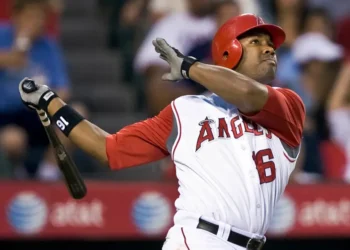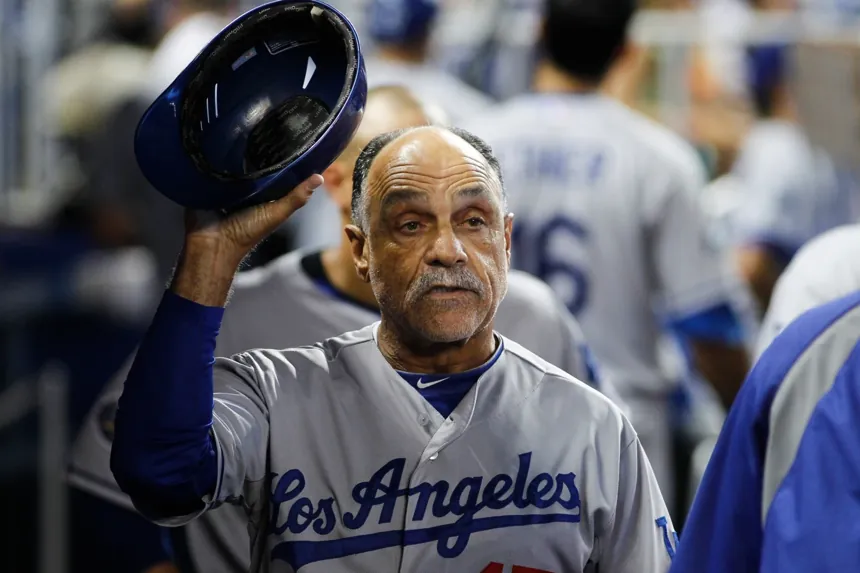
LOS ANGELES – Davey Lopes, the longtime Los Angeles Dodgers second baseman whose speed and consistency helped define one of baseball’s most recognizable infields, has died at age 80, the team confirmed Wednesday after being informed by family members in Rhode Island. The former leadoff hitter remains one of the most significant figures in franchise history, both for his role in the Dodgers’ 1981 World Series title and for the standards he set on the bases.
The dominant angle in this report is record and milestone achievement, with Lopes’ death marking the loss of one of the most efficient base stealers of his era and one of the pillars of the Dodgers’ longest-running infield combination.
Franchise Steals Milestones Defined Lopes’ Dodgers Career
Lopes spent 10 seasons with Los Angeles and was a four-time All-Star, anchoring second base in the famed infield alongside Steve Garvey, Bill Russell and Ron Cey. That group started together for 8 1/2 consecutive seasons, a major league benchmark that underscored the Dodgers’ sustained National League dominance in the 1970s and early 1980s.

What distinguished Lopes most was his impact as a basestealer. He finished with 418 stolen bases as a Dodger, second in franchise history behind Maury Wills, while his 83.1% success rate remains a team record among players with at least 100 steals. Those numbers gave Los Angeles a consistent scoring edge at the top of the lineup and changed the tactical pressure opponents faced every night.
His peak came in the mid-1970s, when he led Major League Baseball with 77 steals in 1975 and topped the National League again in 1976. That stretch included a then-major league record 28 consecutive successful stolen bases without being caught, a milestone that reinforced his status as one of baseball’s premier table-setters.
Championship And World Series Impact Elevated His Standing
Lopes’ value extended well beyond the regular season. He appeared in four World Series with Los Angeles and was part of the club’s 1981 championship team, a title that remains one of the defining accomplishments of that Dodgers era. His 1978 World Series performance, highlighted by two home runs in Game 1 against the New York Yankees, further elevated his postseason profile.
That same 1978 season also brought him a Gold Glove, emphasizing the two-way value that made him a fixture at second base and a central figure in the Dodgers’ competitive structure.
Coaching Career Extended Competitive Influence Across MLB
After his playing career, Lopes carried his baseball influence into coaching and management, later managing the Milwaukee Brewers and serving on staffs for multiple contenders, including the Philadelphia Phillies during their World Series-winning 2008 season.
■ Related News




His later return to Los Angeles as first-base and baserunning coach helped transfer his expertise to a newer Dodgers generation, reinforcing his long-term impact on one of baseball’s flagship organizations.
Legacy Implications For Dodgers History
Lopes’ passing is significant not only as the loss of a former champion but also as the closing of a foundational chapter in Dodgers competitive history. His records in stolen-base efficiency, games at second base, and lineup durability remain embedded in the club’s historical benchmarks.
For today’s Dodgers, the forward-looking implication lies in legacy preservation: how the organization continues to frame speed, baserunning intelligence and infield continuity as part of its championship identity.