Colombia – A coordinated attacks across southwestern Colombia has intensified security fears ahead of the country’s upcoming presidential election, with authorities warning that escalating violence could undermine voter confidence and regional stability. The surge, linked to dissident guerrilla factions, highlights growing challenges for the government’s security and peace agenda at a politically sensitive moment.
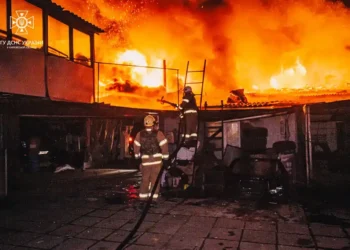
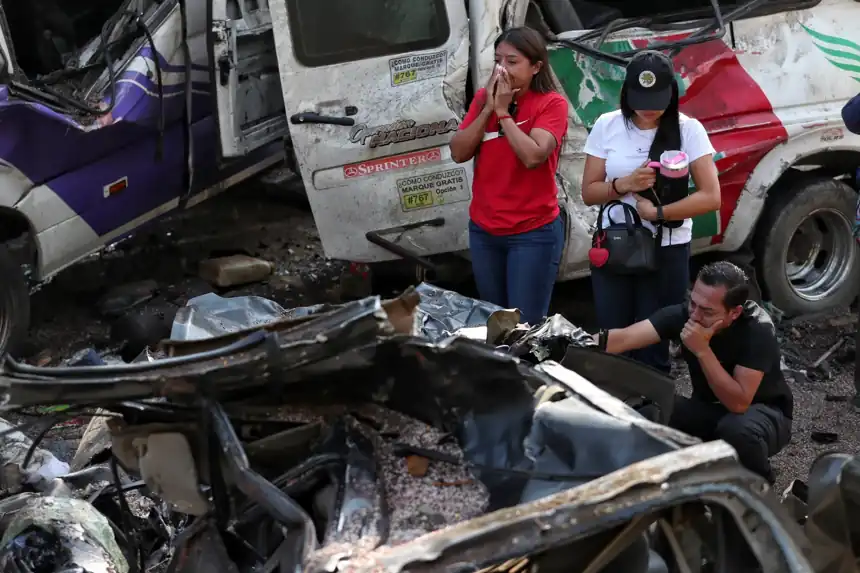
Officials report that at least 26 attacks involving explosives and drones have struck civilian areas and military targets in recent days, including a deadly bombing along a major highway that killed more than 20 people. According to reporting from The Associated Press, the incidents are concentrated in strategic southwestern regions where armed groups compete for control of drug trafficking and illegal mining routes.
Election Security Under Strain
The spike in violence has placed Colombia’s May presidential vote under heightened scrutiny, with security emerging as a central campaign issue. Analysts say the attacks may be intended to project strength and influence political negotiations with the next administration, particularly in contested regions where state authority remains fragile.

Political risk experts cited by Reuters suggest armed groups are attempting to demonstrate operational capacity, potentially seeking leverage in future talks with whichever government emerges from the election.
The violence also raises fears of electoral interference, as candidates campaign under increased protection and voters weigh safety concerns when heading to the polls.
Peace Strategy Faces Mounting Pressure
President Gustavo Petro’s “total peace” initiative—centered on ceasefires and negotiations with armed groups—is facing renewed criticism amid the latest attacks. While the policy aimed to reduce conflict through dialogue, critics argue it has allowed insurgent factions to regroup and expand their territorial influence.
Reporting from Financial Times and other outlets indicates that some rebel factions have withdrawn from talks and resumed hostilities, undermining confidence in the government’s approach.
At the same time, supporters of the strategy maintain that abandoning negotiations could deepen long-term instability, highlighting a sharp divide in how Colombia should address its decades-old conflict.




Strategic Regions Become Flashpoints
The attacks have been concentrated in areas such as Cauca and Valle del Cauca—regions long considered critical corridors for illicit economies. Armed groups, including factions linked to dissidents of the former FARC guerrilla movement, have sought to assert control over these territories.
Security analysts note that the use of drones and coordinated bombings signals a tactical evolution, reflecting both increased resources and intent to sustain prolonged asymmetric conflict. The targeting of infrastructure and transport routes also underscores the economic stakes tied to territorial control.
Political Stakes Rise Ahead of Vote
The surge in violence is reshaping the electoral landscape, with candidates offering sharply contrasting approaches to security. Some advocate continuing negotiations, while others call for intensified military operations against insurgent groups.
Observers warn that the outcome of the election could significantly alter Colombia’s security trajectory, influencing both domestic stability and regional dynamics in Latin America. The violence has already deepened political divisions, with both government allies and opposition figures seeking to frame the crisis to their advantage.
As Colombia approaches election day, the interplay between armed group activity and political decision-making is expected to remain a defining factor. The coming weeks will test whether the state can ensure a credible electoral process while confronting one of the most serious escalations in violence in recent years.