LAS VEGAS, United States – Duane “Keffe D” Davis was sentenced to 40 years to life in prison on October 13 for his role in the 1996 killing of rapper Tupac Shakur, bringing a major legal chapter in one of hip-hop’s most closely watched murder cases to a close.
A Clark County jury convicted Davis, 63, of first-degree murder with use of a deadly weapon in August. The judge imposed consecutive terms of 20 years to life for the murder and 20 years to life for the deadly-weapon enhancement.
Davis is the only person charged in connection with Shakur’s killing. Prosecutors argued that he helped organize the drive-by shooting and supplied the gun, although they did not establish that he personally fired the fatal shots.

Davis has indicated that he intends to appeal the conviction. His attorney, Michael Sanft, also said the defense would pursue an appeal.
The sentence follows an investigation that remained unresolved for decades. It does not, however, settle every question about the shooting or establish the guilt of other people mentioned during the investigation.
Judge Imposes Consecutive Prison Terms
The sentence requires Davis to serve the two terms consecutively rather than at the same time. The resulting punishment is 40 years to life in prison.
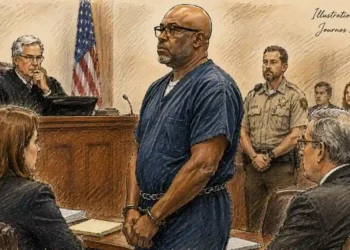
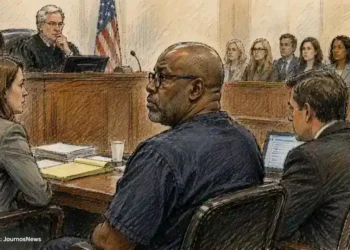
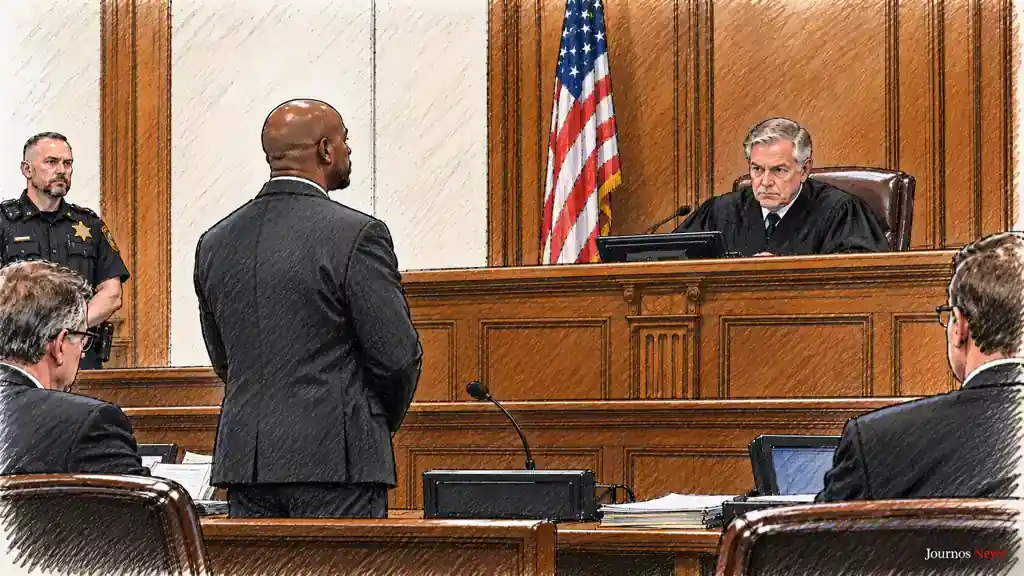
During the sentencing hearing, Judge Carli Kierny addressed the harm caused by Shakur’s death and the lasting impact on his family. She emphasized that the killing deprived Shakur’s loved ones of his future as well as his life.
Prosecutors argued that Davis helped arrange the attack after a confrontation involving Shakur’s entourage and Davis’s nephew, Orlando “Baby Lane” Anderson, earlier that night.
■ Related News




Davis’s conviction established his criminal responsibility under the jury’s verdict. It did not establish that he was the person who pulled the trigger.
Reports of the sentencing said Davis would not be eligible for parole until he was at least 100, taking account of the sentence and credit for time already served. The precise calculation should be checked against the sentencing order and applicable corrections records.
Tupac Shakur Was Shot in Las Vegas in 1996
Shakur was 25 when a gunman shot him on September 7, 1996, as he rode in a BMW driven by Death Row Records executive Marion “Suge” Knight.
The shooting took place near the Las Vegas Strip, after an altercation at the MGM Grand casino involving members of rival Los Angeles-area gangs. Shakur died six days later, on September 13, at a Las Vegas hospital.
The killing became closely associated with the tensions surrounding the hip-hop industry in the 1990s, including the rivalry between artists and groups linked to the East Coast and West Coast rap scenes.
Shakur had become one of the era’s most influential rappers, known for songs addressing violence, poverty, inequality and life in marginalized communities. His death left a lasting mark on music and popular culture.
Investigators did not make an arrest in the murder for more than 27 years. Davis’s arrest in 2023 reopened the case as a criminal prosecution and ultimately led to the trial that produced his conviction.
Prosecutors Relied on Davis’s Own Accounts
The prosecution relied heavily on Davis’s statements about the shooting. Those included media interviews, statements to law enforcement and his 2019 memoir, Compton Street Legend.
In those accounts, Davis described being in the vehicle involved in the attack and said Anderson was the gunman. Prosecutors argued that Davis helped organize the retaliation and supplied the firearm used in the shooting.
The accounts became central to the case because investigators had limited physical evidence directly connecting Davis to the killing, according to trial coverage.
Davis’s defense challenged the reliability of his statements. His lawyer argued that Davis had exaggerated or embellished accounts for attention and financial gain, and disputed the strength of the evidence linking him to the murder.
The jury nevertheless found Davis guilty of first-degree murder with use of a deadly weapon. That verdict, rather than any individual claim in his interviews or memoir, forms the legal basis for the sentence.
The Gunman’s Identity Remains Unresolved
Davis identified his nephew Anderson as the person who fired the shots. Anderson denied involvement before his death in 1998.
Prosecutors argued that Davis helped set the attack in motion, but the public record does not establish a separate legal finding that Anderson was the gunman.
That distinction remains important. Davis’s conviction establishes his responsibility for the crime under the jury’s verdict, not the guilt of every person he named or who appeared in accounts of the shooting.
No other person has been charged in Shakur’s murder. Clark County District Attorney Steve Wolfson has said prosecutors do not currently have sufficient evidence to bring additional charges, while leaving open the possibility of further action if new evidence emerges.
The sentence therefore concludes the current prosecution against Davis, but it does not necessarily close every investigative question surrounding the killing.
Shakur’s Family Describes the Lasting Loss
Shakur’s sister, Sekyiwa Shakur, addressed the court during the sentencing hearing and described the continuing pain of losing her brother. His brother, Maurice “Mopreme” Shakur, also spoke about the impact of the killing on the family.
Their statements reflected the loss experienced by relatives who spent decades waiting for a criminal case to reach a verdict.
For Shakur’s family, the sentencing followed years of uncertainty over whether anyone would be held criminally responsible. The conviction and prison term provide a formal legal outcome in a case that had remained unsolved for decades.
The sentence does not reverse the loss or answer every disputed question about the attack. It does establish that a jury found Davis guilty and that a judge has now imposed a lengthy prison term.
Davis Plans to Appeal
Davis has indicated that he intends to challenge the conviction. His attorney also said the defense would appeal.
An intention to appeal is not the same as a filed appeal, and it does not change the status of the conviction. The available reporting reviewed for this article did not establish that an appellate court had overturned the verdict or that the sentence had been stayed.
Any appeal would need to proceed through the applicable Nevada courts. The defense may challenge legal rulings or other aspects of the trial, but the specific grounds and filing status should be confirmed from court records.
Until a court rules otherwise, Davis remains convicted and sentenced.
A Major Legal Milestone, Not Every Answer
The sentence marks a significant development in the long-running case. Davis was convicted after prosecutors used his own accounts to argue that he helped organize the attack that killed Shakur.
The defense disputed the reliability of those accounts and argued that the physical evidence was insufficient. The jury ultimately accepted the prosecution’s case and returned a guilty verdict.
Questions remain about the precise role of other individuals and the identity of the person who fired the fatal shots. Prosecutors have not announced additional charges, and the defense intends to appeal.
For now, Davis has received a sentence of 40 years to life for his role in Shakur’s murder. The case has reached a major legal milestone, while the appeal process and any future investigative developments remain separate matters.
Reporting Credit: Clark County District Court records and the Clark County District Attorney’s Office were not directly available for independent review during preparation of this report.