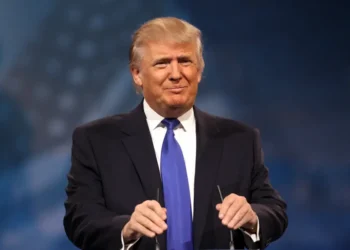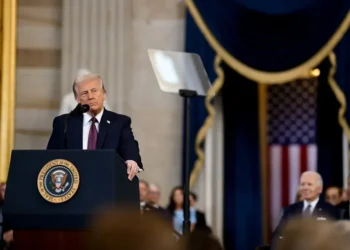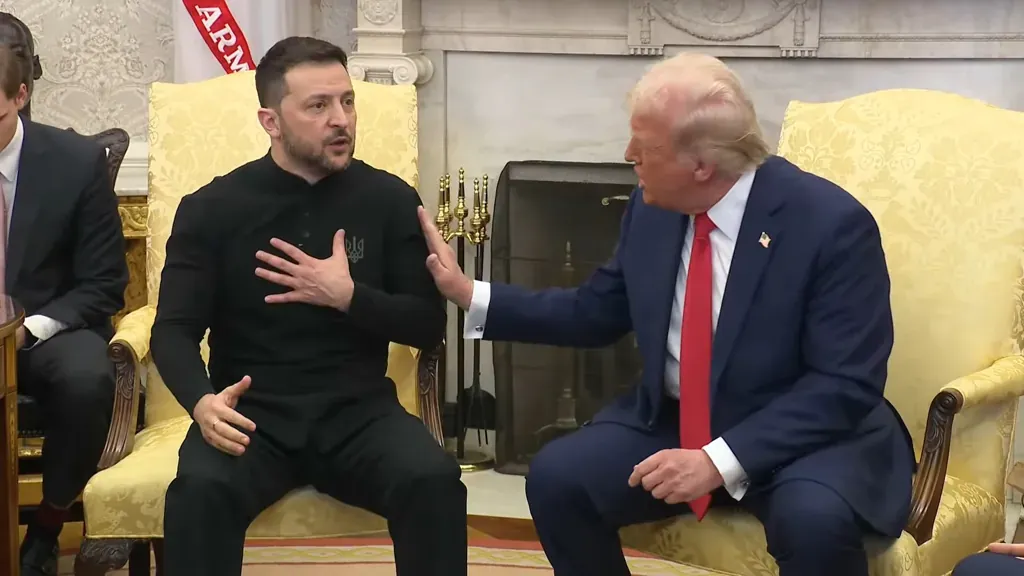
WASHINGTON, United States – President Donald Trump called for Ukraine to elect a new president on October 10, accusing Volodymyr Zelenskyy of failing to reach a peace agreement with Russia and blaming Ukrainian attacks on Russian oil refineries for contributing to high US diesel prices.
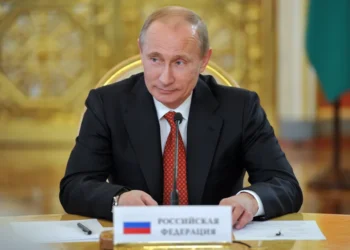
Trump’s comments came a day after he announced an arrangement with Russian President Vladimir Putin to supply diesel to global markets. The US Treasury Department subsequently authorized certain transactions involving Russian-origin diesel, while Moscow announced a partial relaxation of its own export restrictions.
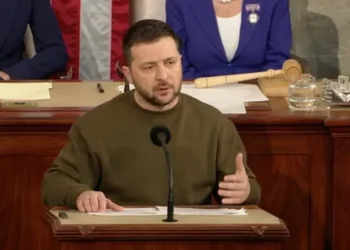
The decisions have intensified a dispute over how Washington should address high fuel prices without increasing Russian revenue during its war against Ukraine. Zelenskyy has condemned the diesel arrangement, arguing that additional energy income would help Moscow finance its military campaign.

The disagreement emerged as US, Ukrainian and European officials were discussing possible terms for ending the war. Trump’s announcement surprised Kyiv while those diplomatic discussions were underway.
Trump demands new Ukrainian leadership
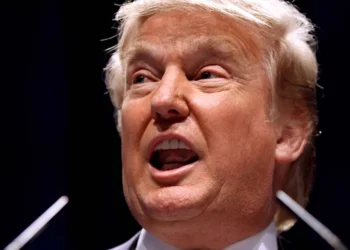
Speaking to reporters at the White House on October 10, Trump said Ukraine should have a leader who could reach an agreement with Russia. He accused Zelenskyy of rejecting opportunities to end the conflict and argued that the war had inflicted severe territorial and human losses on Ukraine.
Trump also criticized Ukrainian attacks on Russian oil refineries. He said he had told Zelenskyy not to target the facilities and warned that the attacks should stop.
The comments represent Trump’s political position on Ukraine’s leadership and military strategy. They do not determine who can hold the Ukrainian presidency. That question is governed by Ukraine’s own constitutional and electoral processes.
Zelenskyy’s government has maintained that Russia launched the full-scale invasion in February 2022 and must end its aggression. Kyiv has argued that military pressure on Russian energy infrastructure can weaken Moscow’s ability to finance and sustain the war.


Trump’s criticism places those Ukrainian operations at the center of a growing disagreement over fuel supplies, sanctions and the terms of a potential peace agreement.
US authorizes Russian diesel transactions
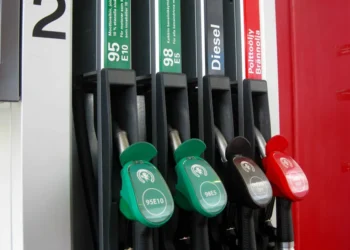
On October 9, the US Treasury Department’s Office of Foreign Assets Control issued Russia-related General License 135. The authorization permits transactions otherwise prohibited under specified US Russia-related sanctions regulations when they concern the sale, delivery, offloading or importation of Russian-origin diesel fuel, including imports into the United States.
The license is scheduled to remain in effect until April 7, 2027. It does not authorize debits to accounts held by Russia’s central bank, National Wealth Fund or Finance Ministry at US financial institutions.
The measure is a specific authorization for diesel transactions, not a blanket repeal of US sanctions against Russia.
Trump announced an initial supply exceeding 300,000 metric tons, followed by additional volumes planned for November and later months. His announced schedule included 500,000 tons in November, another 1 million tons shortly afterward and a further 3 million tons subject to Russian refinery conditions.
These figures represent announced commitments, not independently verified deliveries. Public statements reviewed for this article do not establish the complete commercial arrangements, including all buyers, payment terms, shipment schedules or final destinations.
The Treasury authorization establishes a legal route for covered transactions to proceed. It does not itself guarantee that all the announced fuel will be produced, sold, shipped or delivered.
Russia partially relaxes diesel export restrictions
Russia also changed its export policy on October 10. The Russian government announced a partial relaxation of restrictions on diesel exports, with an initial 500,000 tons intended for the global market.
The change followed restrictions imposed to protect Russia’s domestic fuel supply. Moscow had extended its ban on diesel exports by producers through the end of October, while restrictions on other exporters were scheduled to continue longer.
The Russian decision and the US Treasury license serve different purposes. Moscow’s action concerns whether Russian fuel can be exported under its domestic rules. Washington’s authorization concerns whether specified transactions involving Russian-origin diesel can proceed under US sanctions regulations.
Neither measure confirms that the entire announced supply has been contracted or delivered. The timing and volume of actual exports will depend on commercial arrangements, available fuel, shipping and other operational conditions.
The two governments’ decisions nevertheless open a potential route for additional Russian diesel to reach international buyers, including the US market.
Zelenskyy says additional Russian revenue would sustain the war
Zelenskyy criticized the arrangement after Russia launched a deadly attack on the southeastern Ukrainian city of Zaporizhzhia on October 10.
He argued that easing restrictions on Russian diesel exports would provide Moscow with additional revenue while Russian forces continued attacking Ukrainian cities. He also warned that Russia could interpret the sanctions relief as a sign that it could continue its military campaign without facing greater economic pressure.
Ukrainian Foreign Minister Andrii Sybiha defended Zelenskyy after Trump called for a new president. Sybiha said Ukraine’s president had the support of the Ukrainian people and that Ukrainians had the right to decide who leads their country.
The criticism reflects Kyiv’s broader position that restricting Russian energy revenue is an important means of limiting Moscow’s capacity to sustain the war.
Trump’s administration, by contrast, has presented additional diesel supplies as a response to high fuel prices. The two positions highlight a policy conflict between immediate energy-market concerns and the longer-term objective of limiting Russian resources available for military spending.
Russian strike kills 20 in Zaporizhzhia
The dispute unfolded alongside continuing Russian attacks on Ukrainian cities.
Ukraine’s State Emergency Service reported that a Russian strike on a residential building in Zaporizhzhia on October 10 killed 20 people, including three children. Eighteen others were reported injured, and rescue operations continued as emergency workers searched the damaged building.
The casualty figures were reported by Ukrainian authorities. The attack occurred on the same day Zelenskyy criticized the Russian diesel arrangement, but the timing does not independently establish any connection between the export decision and the strike.
The deaths added to a series of mass-casualty attacks reported in Ukraine during the same week. They also underscored the immediate security concerns facing Kyiv as its representatives pursued discussions with US and European officials.
The humanitarian situation remains separate from the commercial details of the diesel arrangement, although both developments form part of the wider dispute over how to end the war and constrain Russia’s military capacity.
High diesel prices have multiple causes
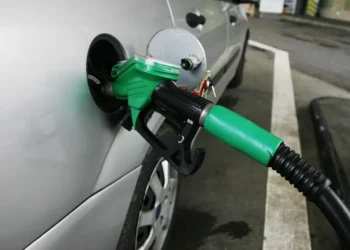
Trump has argued that Ukrainian attacks on Russian refineries are contributing to high diesel prices. Those attacks can disrupt refining capacity and fuel exports, but the available evidence does not establish them as the sole cause of rising prices in the United States.
The US Energy Information Administration has reported tight distillate supplies, with inventories falling below their five-year range. Its analysis identified the loss of significant distillate supply from the Middle East, Russia and China as a factor contributing to tighter markets and higher prices.
The wider conflict involving Iran has also disrupted oil flows and raised concerns about shipments through the Strait of Hormuz, a major route for global energy supplies. These disruptions have added pressure to an already constrained market.
Several measures must be distinguished when assessing the effect of the Russian diesel arrangement. Crude-oil prices, wholesale diesel prices, refining margins and retail prices are related but different indicators. A decline in one does not guarantee an immediate or sustained fall in what US consumers pay.
Additional Russian supplies could contribute to market availability if the announced shipments are delivered. However, the size and timing of any price effect remain uncertain, particularly while other supply disruptions continue.
The US midterm elections on November 3 make fuel costs politically significant, but the timing alone does not establish that electoral considerations were the primary reason for the decision.
European governments maintain pressure on Russia
European officials have also objected to easing restrictions on Russian energy revenue.
German government spokesperson Stefan Kornelius said Germany’s position on maintaining sanctions against Russia remained unchanged. Berlin also reaffirmed its support for Ukraine and said it would continue working with European partners on measures directed at Moscow.
European Union foreign policy chief Kaja Kallas criticized the US move, warning that additional Russian energy revenue could help finance the war. Her position reflects the European approach of maintaining economic pressure while continuing diplomatic efforts to end the conflict.
The European response highlights a difference between Washington’s temporary authorization for Russian diesel transactions and the continued sanctions policy of European governments. The US decision does not automatically change European restrictions.
The disagreement could complicate coordination among the United States, Ukraine and European partners as they seek a common approach to peace negotiations and postwar security.
Diplomatic efforts face renewed strain
The diesel arrangement was announced while US, Ukrainian and European representatives were meeting in Miami to discuss a possible framework for ending the war. Zelenskyy said Kyiv had been surprised by the announcement, and the Ukrainian delegation was returning home after the discussions.
Putin, following his call with Trump, said an immediate resumption of peace talks was unlikely, citing Ukrainian drone attacks on Moscow. Russian state media also reported that US envoys Steve Witkoff and Jared Kushner could travel to Moscow within the following two weeks, although that reported plan was not a confirmed visit schedule.
The latest developments leave several questions unresolved: whether the promised diesel volumes will be delivered, how much fuel will reach the United States, whether the supply will materially affect prices and whether Washington’s policy shift will alter its ability to coordinate with Kyiv and European capitals.
For now, Trump’s call for new Ukrainian leadership has added a political dispute to an already difficult negotiation. The US sanctions authorization and Russia’s partial export-policy change create a potential route for additional diesel supplies, but they do not guarantee lower prices or a breakthrough in peace talks.
Reporting Credit: The White House; US Department of the Treasury, Office of Foreign Assets Control; President of Ukraine; Ukrainian Ministry of Foreign Affairs; Russian Government; European Commission and German Government statements.