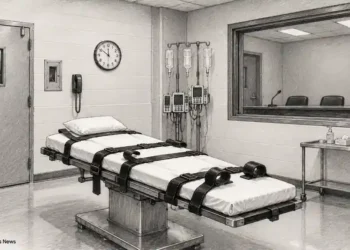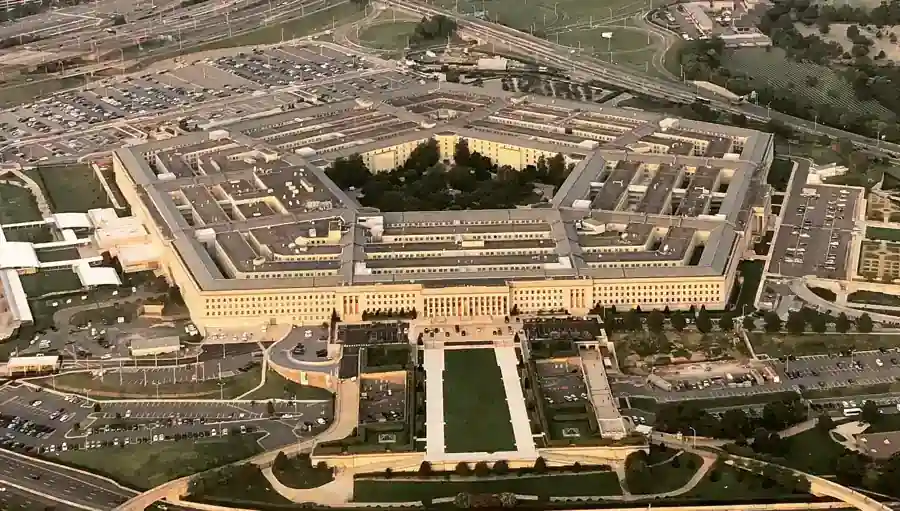
WASHINGTON, United States – The Pentagon plans to livestream the scheduled firing-squad execution of former Army Major Nidal Malik Hasan, adding an unprecedented public-broadcast element to a U.S. military execution.
A Pentagon official confirmed on Thursday that the execution would be livestreamed but provided no details about the broadcast. Defense Secretary Pete Hegseth had earlier said the public would be able to watch the execution.
The execution is scheduled for December 3 at 1 p.m. Central Standard Time at Fort Hood, Texas, where Hasan carried out the 2009 shooting. The Army announced the date after President Donald Trump approved the death sentence on October 2. Acting Army Secretary Adam Telle directed the execution by firing squad on October 6.

The military has not yet explained where the livestream will be available, who will be allowed to watch it or how the broadcast will operate under existing execution procedures.
A New Question About Public Access
Hegseth said the public should be able to watch the execution so people understand the consequences of serious crimes.
The Pentagon’s confirmation goes beyond announcing that the execution will be public. A livestream could extend access beyond the limited group of witnesses traditionally permitted under military execution procedures.
However, officials have not explained how they intend to reconcile the planned broadcast with those rules. It remains unclear whether the stream will be open to everyone, restricted to particular viewers or subject to other limits.
The distinction matters because public access to an execution is not the same as unrestricted access to a live video broadcast.
■ Related News



The Pentagon has not released a platform, viewing procedure or technical plan. Until it does, the scope of public access remains unresolved.
Legal Challenges Could Delay the Execution
The execution remains scheduled, but further legal proceedings could affect the timetable.
Hasan’s conviction and death sentence survived the military appellate process. The U.S. Supreme Court declined to review his court-martial conviction in March 2025.
However, military-law experts have said Hasan could pursue federal habeas-corpus proceedings challenging the legality of his detention or execution. Such a filing could lead to further court review and potentially delay the scheduled date.
Questions have also emerged over the procedures used to notify Hasan that the president had approved his execution.
His former civilian attorney, retired Army lawyer John Galligan, questioned whether Hasan had adequate access to legal representation during the notification process. The Army said it made multiple attempts to contact defense attorneys, followed its policies and did not prevent Hasan from communicating with counsel.
Those accounts remain distinct: the lawyer raised concerns, while the Army said its procedures were followed. Any legal challenge would need to be assessed through the relevant court process.
The Fort Hood Shooting
Hasan was convicted by a military jury in 2013 of killing 13 people and wounding 32 others during the November 5, 2009, shooting at Fort Hood.
The former Army psychiatrist opened fire on soldiers and civilians at the Texas military installation. The attack became one of the deadliest shootings on a U.S. military base.
The military jury found Hasan guilty of 45 offenses, including 13 counts of premeditated murder and 32 counts of attempted murder. It sentenced him to death five days after reaching its verdict.
If carried out, the execution would be the first by the U.S. military since Army Pvt. John Bennett was executed by hanging in 1961. It would also be the first U.S. military firing-squad execution since 1945.
Hasan remains on military death row at the U.S. Disciplinary Barracks at Fort Leavenworth, Kansas.
Transparency and the Ethics of Broadcasting
The planned livestream raises questions beyond the execution method itself.
Supporters of public access may argue that broadcasting a state execution increases transparency by allowing people to see how the government carries out a death sentence.
Critics may question whether a live broadcast risks turning a legally authorized punishment into a public spectacle. Others may raise concerns about the dignity of the condemned person, the interests of victims’ families and the potential impact on viewers.
These are competing arguments about public access and the presentation of capital punishment. The Pentagon has not released a detailed policy explaining how it will address them.
The announcement also leaves practical questions unanswered. Officials have not specified whether the broadcast will show the entire procedure, whether access will be limited or whether the public will receive information about the execution through another format.
The livestream plan therefore remains a confirmed intention with important implementation details still pending.
What Happens Next
The Army’s execution date remains December 3, but the schedule could change if a court intervenes or the military revises its arrangements.
The Pentagon is expected to provide further details about the livestream. Those details will help establish how the government intends to provide public access while following applicable military procedures.
For now, the confirmed development is the Pentagon’s plan to broadcast the execution. The method of distribution, viewing restrictions and any additional legal proceedings remain unresolved.
Reporting Credit: U.S. Department of Defense; U.S. Army; U.S. Army court-martial records; applicable Army execution regulations; U.S. Supreme Court records; relevant federal court records.