HARRISBURG, United States – Pennsylvania’s measles outbreak has surpassed 1,000 confirmed cases, making it the largest reported measles outbreak in a U.S. state in more than three decades. The United States is also experiencing its worst measles year since 1991.
The Pennsylvania Department of Health reported Monday that 1,004 cases had been confirmed across 39 counties in 2026. The outbreak has resulted in 198 hospitalizations and five measles-associated deaths.
The case count rose from 977 on Oct. 2 and 943 on Sept. 30. The outbreak began in late April and has continued despite an expanded vaccination campaign.

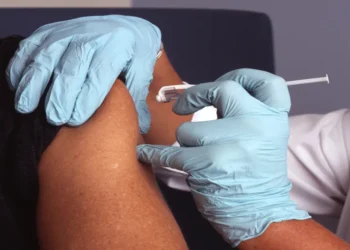
More than 53,000 doses of the measles, mumps and rubella vaccine were administered statewide in September, according to health officials. That is more than twice the roughly 25,000 doses typically given in an average month.
Health officials have also operated more than 180 pop-up vaccination clinics in affected communities, with additional clinics planned.
The health department said four confirmed cases involved vaccinated people, accounting for less than 1% of the total. Most cases have involved people without documented vaccination protection.
Measles is highly contagious and can cause serious complications, including pneumonia and inflammation of the brain. Nearly one in five people identified with measles in Pennsylvania have been hospitalized, according to state health officials.
Pennsylvania’s outbreak is part of a broader national resurgence. The Centers for Disease Control and Prevention reported 3,887 confirmed measles cases nationwide as of Oct. 1. The preliminary figure makes 2026 the country’s worst measles year since 1991.


The national total covers cases reported across 47 jurisdictions. Pennsylvania is among several states experiencing substantial outbreaks.
The resurgence is particularly significant because the United States eliminated endemic measles transmission in 2000. That designation does not prevent imported cases or outbreaks, particularly when the virus reaches communities with insufficient immunity.
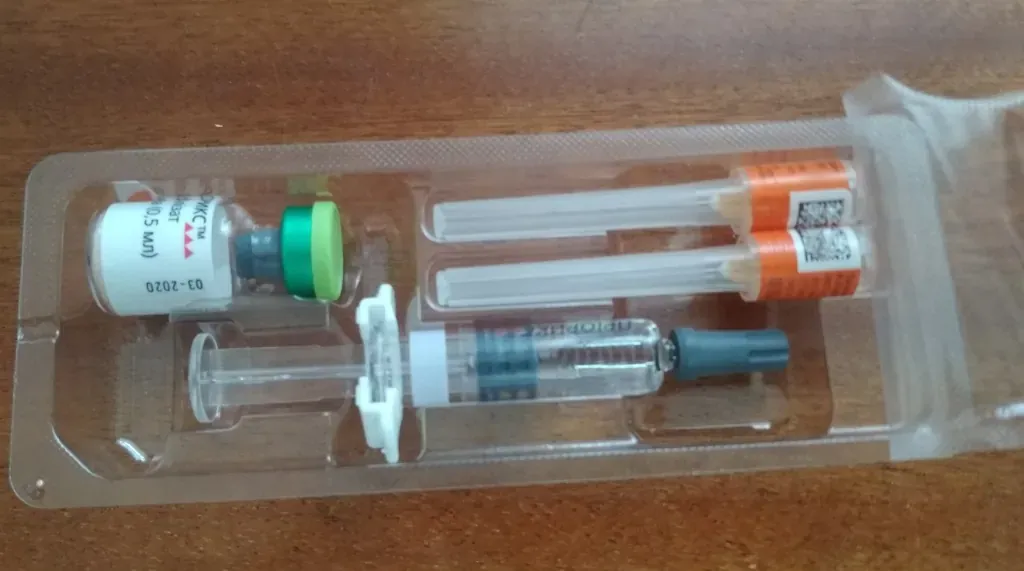
Public-health officials have emphasized vaccination as the primary protection against measles. The CDC recommends two doses of MMR vaccine for people without evidence of immunity, while Pennsylvania has expanded vaccination clinics and outreach in affected communities.
The situation is also developing in neighboring New York. Gov. Kathy Hochul declared a state disaster emergency Monday following an increase in measles cases in rural areas and surrounding communities.
New York health officials have reported increasing measles activity in upstate communities and launched a statewide dashboard to track cases and vaccination information.
Pennsylvania’s figures should be distinguished from the CDC’s national count because the two systems use different reporting schedules. The state health department provides the latest Pennsylvania total, while the CDC’s 3,887 cases reflect reports received through its Oct. 1 cutoff.
Pennsylvania officials have urged residents to check their vaccination records and obtain recommended MMR vaccination if they are not adequately protected.
The focus now is whether vaccination efforts can contain the outbreak.
Reporting Credit: Pennsylvania Department of Health; U.S. Centers for Disease Control and Prevention; New York State Department of Health.