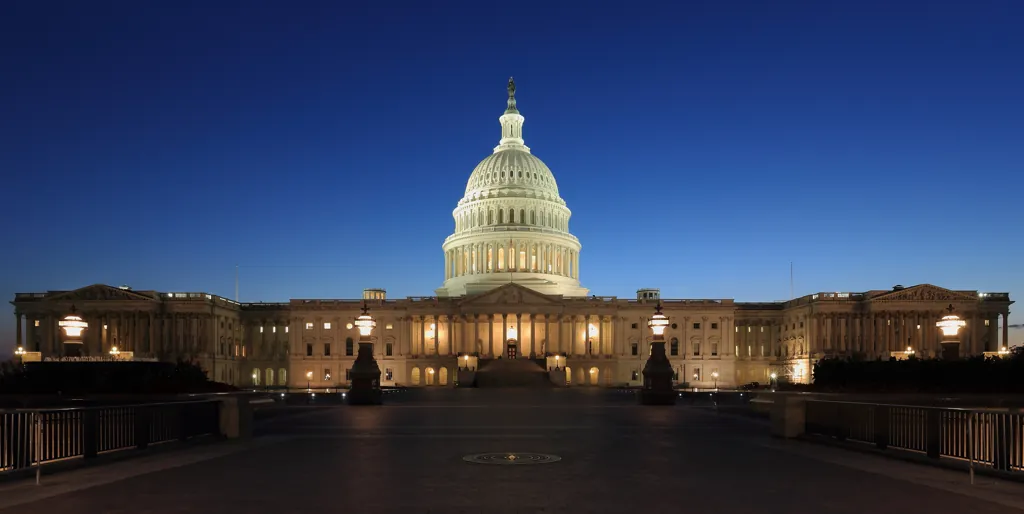
WASHINGTON, United States – A sweeping U.S. sanctions bill targeting Russia’s economy has cleared Congress and reached President Donald Trump’s desk, giving Washington new tools to increase pressure on Moscow as efforts to end the war in Ukraine remain stalled.
The House approved the Lindsey O. Graham Sanctioning Russia and Iran Act of 2026 by a vote of 262-159 on Wednesday, following the Senate’s 86-11 approval in August. The legislation has not yet become law and is awaiting Trump’s signature.
For Ukraine, the bill represents a potential source of additional economic pressure on Russia. But its effect will depend heavily on how the Trump administration uses the authorities provided by Congress.

What the bill targets
The legislation expands sanctions against Russian officials, financial institutions and companies involved in supporting the country’s war effort.
It also targets Russia’s so-called shadow fleet, a network of tankers used to transport Russian oil while helping Moscow circumvent existing restrictions.
One of the most consequential provisions gives Trump authority to impose tariffs of up to 100% on countries that continue buying Russian oil and natural gas, subject to exemptions and other conditions written into the legislation.
The measure is designed to extend pressure beyond Russia itself by increasing the potential cost for major purchasers of Russian energy.
That could make the bill particularly significant for countries that continue to import large quantities of Russian oil or gas.


Ukraine sees another tool for economic pressure
Ukrainian officials have welcomed the legislation as another way to increase the economic costs of Russia’s continued war.
Foreign Minister Andrii Sybiha said the House vote was an important step toward increasing pressure on Moscow and reducing the resources available to Russia’s war effort. He also called for other countries to increase pressure on Russia.
The legislation comes as Ukraine continues to argue that economic pressure should accompany diplomatic efforts to end the war.
For Kyiv, sanctions serve a different purpose from military operations. Instead of directly targeting Russian forces on the battlefield, they seek to restrict the money, technology and commercial networks that support Russia’s ability to sustain its military campaign.
The new measures could therefore add another channel through which Washington attempts to influence Moscow’s calculations.
Enforcement now becomes the key question
The passage of the bill does not immediately impose every measure contained in the legislation.
The president has discretion over how some of the new authorities are used, including whether and when to apply tariffs to countries purchasing Russian energy. The legislation also contains provisions allowing sanctions to be modified or terminated under specified circumstances.
That makes implementation central to the bill’s eventual impact.
The Trump administration has previously had the authority to impose sanctions on Russia through existing executive powers, but the new legislation creates additional statutory authorities and congressional direction.
A senior White House official said Trump planned to sign the bill soon, although the legislation had not yet been signed as of Sept. 18.
Russia warns of consequences for diplomacy
The Kremlin has criticized the legislation and warned that additional U.S. sanctions could complicate efforts to negotiate an end to the war.
Kremlin spokesman Dmitry Peskov said Thursday that new sanctions would make a peace settlement more difficult. Moscow has described the measures as unfriendly actions.
The comments came as U.S.-mediated diplomatic efforts have struggled to produce a breakthrough.
The sanctions bill therefore arrives at a sensitive point in the negotiations. Washington is simultaneously seeking diplomatic movement while preparing to increase economic pressure on Russia.
The bill took more than a year to reach Trump’s desk
The legislation is named after the late Republican Sen. Lindsey Graham of South Carolina, who spent more than a year negotiating the sanctions package with colleagues and the White House.
The Senate approved the measure 86-11 on Aug. 7 after extensive bipartisan negotiations. The House then approved the legislation in September, sending it to Trump.
The final legislation differs from earlier versions considered by Congress.
Among the major changes was the reduction of the maximum proposed secondary tariff from earlier versions to 100%, together with exemptions and other conditions governing its application.
The measure also incorporates provisions involving Iran, reflecting the legislation’s final title.
China and India face particular attention
The potential tariff authority could have consequences beyond Russia because some of the world’s largest energy importers continue to purchase Russian oil.
China and India have been identified as major targets of the legislation’s secondary-pressure provisions. The measure gives Trump authority to impose tariffs of up to 100% on major purchasers of Russian oil or gas, subject to the law’s conditions.
That creates a potential tension between Washington’s effort to pressure Moscow and its relationships with countries that maintain significant commercial ties with Russia.
India has already warned that new U.S. measures connected to purchases of Russian energy could affect bilateral relations.
The legislation therefore extends the consequences of the Russia sanctions debate into broader U.S. trade and diplomatic relationships.
Ukraine gains a potential bargaining tool
The immediate benefit for Ukraine is not a direct change on the battlefield or an immediate reduction in Russia’s oil revenues.
Instead, the legislation gives Washington another mechanism that could be used to raise the economic cost of continuing the war.
Its significance will depend on whether the administration uses the new authorities, which countries are targeted, how broadly sanctions are enforced and how Russia and its trading partners respond.
For Kyiv, the passage of the bill provides another potential source of pressure at a time when diplomatic efforts have yet to produce a settlement.
For Moscow, the legislation creates the possibility of additional restrictions on energy revenues and access to international financial and commercial networks.
And for Washington, the next step is no longer congressional approval. It is deciding how aggressively to use the powers Congress has now placed before the president.
Reporting Credit: U.S. Congress — final legislative text and House and Senate votes; White House — presidential action on the legislation; U.S. Treasury Department — existing Russia sanctions framework; Ukrainian government — official response to congressional passage.