HAVANA — Cuba’s government says diplomatic talks with the United States have reached a standstill despite the island’s approval of sweeping economic reforms, while announcing plans to bring the impact of Washington’s oil embargo before the United Nations General Assembly, according to The Associated Press.
Cuban Foreign Minister Bruno Rodríguez said Tuesday that recent negotiations with U.S. officials never included discussions about the island’s newly approved market-oriented reforms, emphasizing that the measures were adopted independently of Washington.
“The recently announced (measures) are a matter of total and absolute sovereignty,” Rodríguez said. “We have neither listened to nor are we interested in the U.S. government’s opinion on them.”

New Sanctions Follow Economic Reforms
Rodríguez argued that the reforms were followed not by improved bilateral relations but by additional U.S. sanctions.
Earlier this month, the United States imposed new sanctions on Cuban President Miguel Díaz-Canel, other government officials and several companies considered important to Cuba’s struggling economy.
The sanctions came after Cuba’s Communist Party and the National Assembly of People’s Power approved 176 economic measures that represent the country’s most significant economic policy shift since the 1959 revolution.
The reforms expand opportunities for private enterprise, permit businesses to hire workers freely, authorize private banking activity and allow greater investment by Cubans living abroad.
Some of those measures align with long-standing U.S. calls for broader economic liberalization, although Rodríguez stressed they were adopted solely as domestic policy decisions.

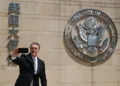
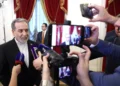
Cuba Criticizes U.S. Policy Despite Diplomatic Contacts
Rodríguez acknowledged that previous meetings with U.S. officials had generally been conducted respectfully.
However, he said those discussions were overshadowed by what he described as continued hostile policies, including new sanctions, aggressive rhetoric and military threats directed at Cuba.
The U.S. State Department did not immediately respond to requests for comment on Rodríguez’s remarks.
UN Debate to Focus on U.S. Oil Embargo
During the same news conference, Rodríguez announced that the United Nations General Assembly is scheduled to hold a debate on July 7 concerning the oil embargo imposed by U.S. President Donald Trump in late January.
Rodríguez described the U.S. embargo and broader sanctions policy as a direct threat to the Cuban people and their economic well-being.
“The blockade and the policy of aggression and hostility of the United States government against Cuba are a threat to the existence and well-being of the Cuban people, and to the exercise of their human rights,” he said.
He also rejected any suggestion that Cuba poses a security threat to the United States, describing the U.S. as “a major military and nuclear power.”
Energy Restrictions Deepen Cuba’s Economic Challenges
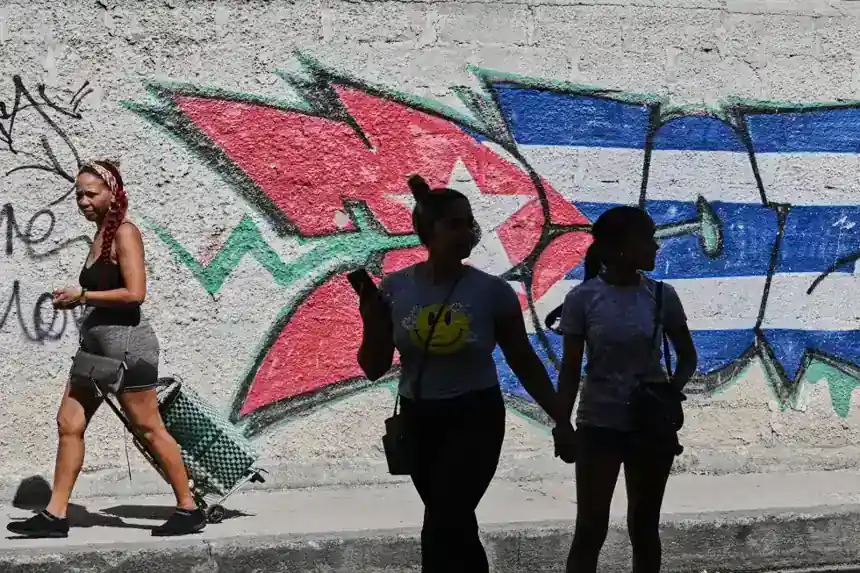
Cuban officials say the oil embargo has intensified the country’s prolonged economic crisis.
According to the government, fuel shortages have contributed to extended nationwide power outages, fuel rationing and internet disruptions.
The restrictions have also affected transportation and other essential public services, leading to flight cancellations, suspended public transit, interruptions in garbage collection and water distribution, and reduced working hours across parts of the public sector.
The diplomatic impasse underscores continuing tensions between Havana and Washington despite Cuba’s recent economic reforms, with both governments remaining divided over sanctions, political conditions and the future direction of bilateral relations.
Tags: Cuba, United States, Bruno Rodríguez, Miguel Díaz-Canel, Donald Trump, United Nations, U.S. Sanctions, Oil Embargo, Cuba Economy, Havana, Foreign Relations, Diplomacy