DUBAI, United Arab Emirates – The United States and Iran have paused their recent exchange of military strikes and are each dispatching delegations to Qatar this week, but the two governments remain at odds over whether direct negotiations are actually scheduled.
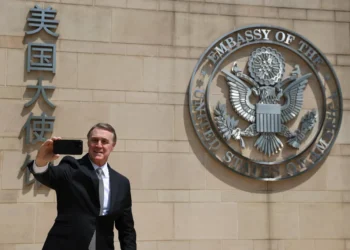
According to The Associated Press, U.S. President Donald Trump said Monday that Iran had requested a meeting with American officials and that representatives from both countries were expected to meet Tuesday in Doha.
Iran, however, publicly rejected that characterization. Senior Iranian officials insisted no direct talks with the United States had been arranged, underscoring continued uncertainty over the future of negotiations aimed at ending the conflict.

Conflicting Messages Over Qatar Meetings
Following Trump’s announcement, White House Press Secretary Karoline Leavitt said U.S. Special Envoy Steve Witkoff and Jared Kushner were traveling to Qatar for discussions.
Pakistan, which has served alongside Qatar as a mediator, also indicated that negotiations between Washington and Tehran were expected to resume Tuesday.
Iranian officials disputed those claims.
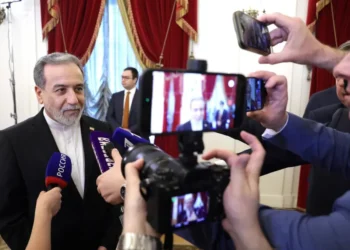
Senior negotiator Kazem Gharibabadi said no talks with the United States had been confirmed.
Iranian Foreign Ministry spokesperson Esmail Baghaei said Tehran’s delegation would instead meet with Qatari officials to discuss implementation of the interim agreement, including the release of frozen Iranian assets and related issues.



“There are no negotiation meetings with the U.S. side at any level scheduled in the coming days,” Baghaei said.
He added that the presence of American officials in Qatar was unrelated to Iran’s visit.
Military Activity Appears to Ease
Despite the diplomatic uncertainty, both sides appeared to suspend military operations Monday following several days of escalating attacks across the Persian Gulf.
The temporary pause follows an interim agreement reached earlier this month that calls for Iran to dilute its stockpile of enriched uranium while the United States eases sanctions and supports reopening maritime traffic through the Strait of Hormuz.
The agreement also provides a 60-day period for negotiators to pursue a broader settlement.
Recent fighting had disrupted one of the world’s most important energy corridors, through which roughly one-fifth of global oil shipments moved before the conflict began.
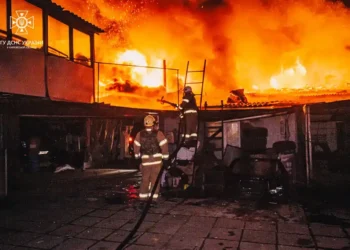
Iran conducted attacks against commercial vessels in the Strait of Hormuz in recent days, including a tanker carrying Qatari crude oil, prompting retaliatory U.S. airstrikes and raising concerns that negotiations could collapse.
Iran also launched drone and missile strikes targeting Bahrain and Kuwait on Sunday.
A U.S. official, speaking anonymously because of the sensitivity of the negotiations, said Washington believes both sides are currently observing a pause in hostilities and that commercial shipping is again moving through the waterway.
Frozen Iranian Assets Expected to Be Released
The U.S. official also said Qatar is preparing to release approximately $6 billion in frozen Iranian assets.
According to the official, the funds would be used to purchase American food products for the Iranian population.
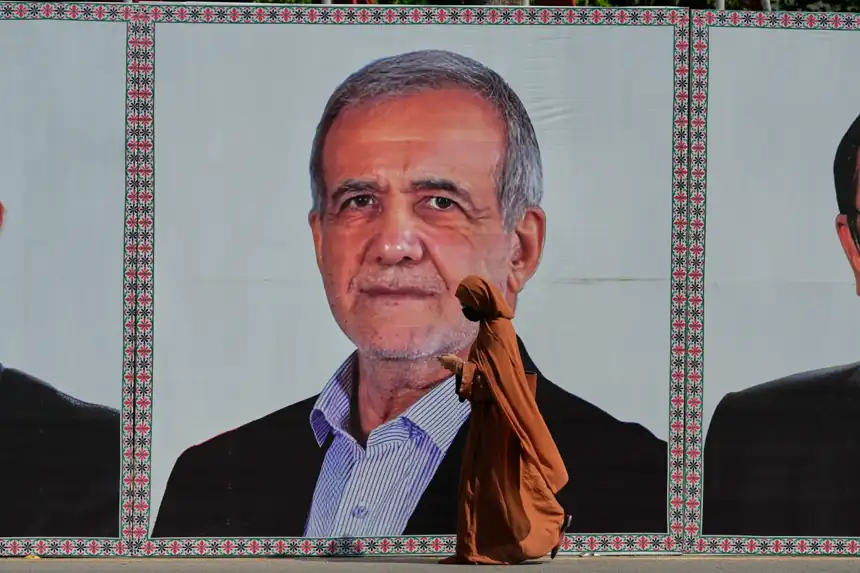
Iranian President Masoud Pezeshkian confirmed the anticipated release of the assets in remarks carried by Iran’s state-run IRNA news agency, describing the move as “a great victory for the Iranian people.”
The announcement marked one of the highest-level public acknowledgments by Iranian leadership regarding the planned transfer of the funds.
Regional Security Concerns Continue
Separately, Oman said it is discussing with Iran possible service-related fees for commercial vessels transiting the Strait of Hormuz.
Omani Foreign Minister Badr Albusaidi said any charges under consideration would relate to maritime safety, pollution prevention, navigation assistance, and emergency response services rather than transit rights.
He emphasized that Oman opposes imposing transit fees because such charges are prohibited under international maritime law.
Meanwhile, tensions also emerged between Iran and France after French President Emmanuel Macron announced international coordination on mine-clearing operations in the Strait of Hormuz.
Gharibabadi responded that, under the interim agreement, only Iran is authorized to conduct demining activities in the waterway.
France and Oman later issued a joint statement reaffirming their support for free and unrestricted navigation through the strait while expressing their intention to cooperate on future demining efforts.
Lebanon Agreement Adds Another Regional Dimension
The broader regional situation remains volatile.
Lebanese President Joseph Aoun announced Monday that Lebanon intends to deploy troops across its southern border under a framework agreement reached with Israel last week.
The arrangement calls for the disarmament of the Iran-backed Hezbollah before Israeli forces withdraw from southern Lebanon.
Hezbollah has rejected the agreement and warned that attempts to implement it could trigger internal conflict within Lebanon.
While military activity between the United States and Iran has temporarily subsided, conflicting statements over direct negotiations suggest that efforts to secure a broader diplomatic settlement remain uncertain.
Tags: United States, Iran, Qatar, Donald Trump, Masoud Pezeshkian, Strait of Hormuz, Nuclear Talks, Diplomacy, Middle East, Oman, Hezbollah, Lebanon