Burkina Faso, Africa — Burkina Faso’s military government announced Friday that it has ended diplomatic relations with France, marking a major escalation in the country’s deteriorating ties with its former colonial ruler.
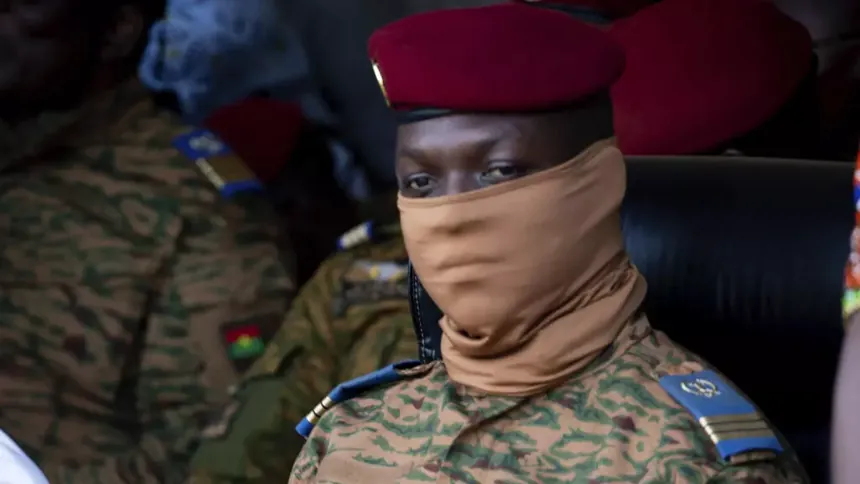
In a statement broadcast on national television, the government led by Captain Ibrahim Traoré said the decision took effect immediately on June 26, 2026. The junta accused France of repeatedly acting against Burkina Faso’s interests and claimed Paris supports “subversive networks” and militants operating across the Sahel.
French authorities had not publicly responded to the accusations when the announcement was made. The allegations also could not be independently verified.

Diplomatic Split Deepens
The move further widens the rift between Burkina Faso’s military leadership and its former Western partners since Traoré seized power in a September 2022 coup.
Since then, the junta has adopted an increasingly confrontational stance toward Western governments, especially France. At the same time, it has tightened restrictions on political opponents and other critical voices inside the country.
However, the government said the diplomatic break applies only to official state relations. It stressed that the decision does not affect the longstanding historical, cultural and social ties between the Burkinabè and French people.
Security Concerns Remain Central
Burkina Faso continues to battle a prolonged insurgency involving armed groups affiliated with al-Qaeda and the Islamic State group. The conflict has fueled years of deadly attacks, displaced communities and contributed to political instability across the Sahel.
The junta said the continuing security crisis influenced its decision to cut diplomatic ties. It accused France of pursuing “neo-colonial ambitions” by supporting networks that destabilize Burkina Faso and the wider region. French officials have not responded publicly to those allegations, and they have not been independently verified.
■ Related News



Regional Alliances Continue to Shift
Relations between France and several of its former African colonies have become increasingly strained in recent years. Meanwhile, anti-French sentiment has grown in parts of West Africa as regional governments reassess their foreign partnerships.
At the same time, Russia and China have expanded their diplomatic, economic and security engagement across the continent, reshaping the region’s geopolitical landscape.
France has previously said it intends to move away from its long-standing “Françafrique” policy, a term widely used to describe Paris’ post-colonial political, economic and military influence in French-speaking African nations.
Tags: Burkina Faso, France, Ibrahim Traoré, Diplomacy, Africa, Sahel, Military Junta, Foreign Relations, Jihadist Insurgency, West Africa, Geopolitics, International Relations