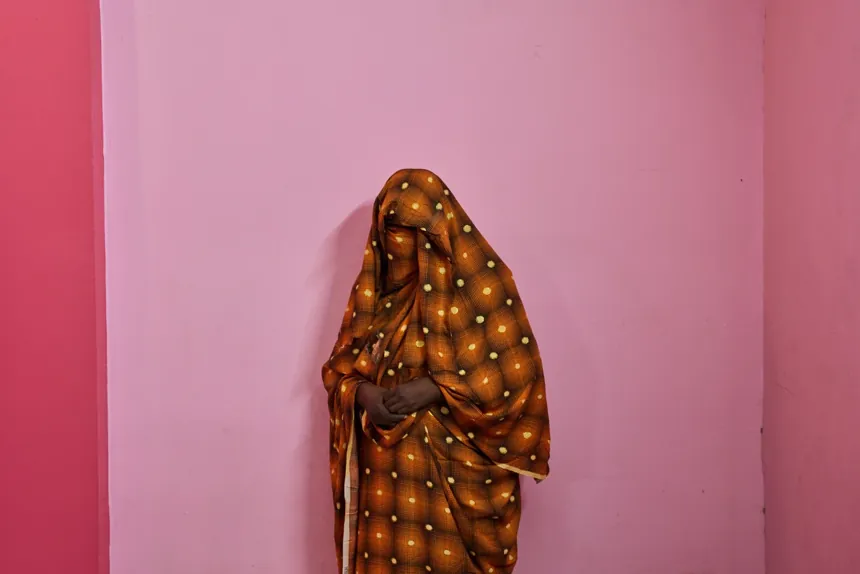
KHARTOUM, Sudan — Women in Sudan have reported being abducted, sexually assaulted and held for ransom during the country’s ongoing civil war, adding to growing concerns over widespread abuses against civilians as the conflict enters its fourth year. The allegations, described by survivors interviewed by The Associated Press, reflect what the United Nations has identified as a sharp increase in conflict-related sexual violence since fighting erupted in April 2023.
The accounts center on alleged abuses committed by fighters from the paramilitary Rapid Support Forces (RSF), which has been battling Sudan’s military for control of the country. The women said they were kidnapped, repeatedly assaulted and pressured to contact relatives to secure payments for their release. The AP reported that aid workers familiar with the cases introduced the survivors, though the agency noted it could not independently verify all aspects of their testimonies.
Reports Point to Sexual Violence and Extortion
According to the United Nations, sexual violence has become one of the defining features of Sudan’s war. U.N. agencies and human rights organizations have documented cases involving rape, sexual slavery and ransom demands, particularly in areas affected by intense fighting, including Khartoum, Darfur, Gezira and South Kordofan.

One woman told AP that she was captured while fleeing violence in Darfur and was held with other women and girls in a remote area. She alleged that her captors repeatedly assaulted the group and later demanded money for her release. The woman said relatives eventually gathered funds to secure her freedom after days of abuse.
Two other survivors described similar experiences. One said she was abducted from a market in Khartoum and forced to work for armed men while enduring repeated assaults. Another reported being held for several days in South Kordofan before her family paid for her release.
International Organizations Raise Alarm
The United Nations has stated that women and girls across Sudan face escalating risks of sexual violence as the conflict spreads. U.N. officials have reported incidents involving sexual slavery and ransom payments that, in some cases, reached thousands of dollars. The organization has warned that many survivors lack access to medical care, psychological support and legal assistance.
Human rights groups have accused multiple parties in the conflict of committing abuses. However, U.N. reporting cited by AP indicates that the majority of documented cases of conflict-related sexual violence have been attributed to RSF fighters, particularly in regions under their control or influence. The RSF did not respond to AP requests for comment regarding the allegations.
Conflict Deepens Humanitarian Crisis
Analysts and humanitarian workers say ransom-related kidnappings have increased as Sudan’s security situation deteriorates. Data cited by AP from the Armed Conflict Location and Event Data Project showed a sharp rise in ransom incidents since the war began, with many cases linked to armed groups operating in conflict zones.

The broader war has created one of the world’s largest humanitarian emergencies. Millions of people have been displaced, while aid agencies report severe shortages of food, healthcare and protection services. Humanitarian organizations warn that survivors of sexual violence often face additional barriers to receiving assistance because of stigma and insecurity.
Survivors Seek Accountability
Despite the trauma they endured, some survivors have begun assisting other women affected by the conflict. One woman told AP that she now mentors displaced women and girls while continuing to cope with medical complications and financial hardship resulting from her ordeal.
Efforts to document alleged abuses continue as international organizations call for accountability. While investigations into conflict-related crimes remain limited, humanitarian groups say preserving testimony and evidence will be essential for any future justice process. Details surrounding many reported incidents remain difficult to verify independently because of insecurity, restricted access and the stigma associated with reporting sexual violence.