WASHINGTON — A closely watched U.S. inflation measure accelerated in April to its highest annual level in three years, according to Commerce Department data, intensifying pressure on American households as income growth failed to keep pace with rising costs.
The Personal Consumption Expenditures price index — the Federal Reserve’s preferred inflation gauge — rose 3.8% in April from a year earlier, up from 3.5% in March, government figures showed Thursday. Monthly prices increased 0.4%, easing from March’s 0.7% rise but remaining above levels typically viewed as consistent with stable inflation.
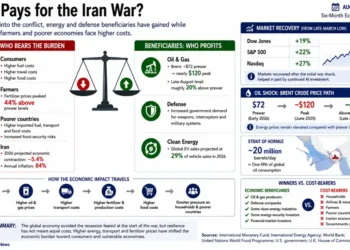
The latest data underscored the growing strain on consumers as gasoline, groceries, electricity and clothing costs continued climbing. The report also highlighted broader concerns that inflationary pressures may be becoming more persistent across the economy.

Core inflation, which excludes volatile food and energy categories, climbed 3.3% year over year in April from 3.2% the previous month. On a monthly basis, core prices increased 0.2%, slightly lower than March’s pace.
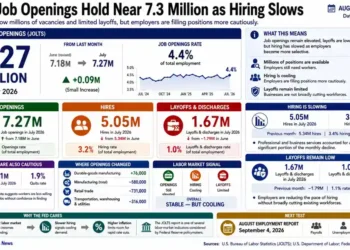
Commerce Department figures also showed Americans’ income growth stalled during the month. Personal income was unchanged in April from March, while inflation-adjusted income slipped 0.1%, reflecting the impact of higher prices on household purchasing power.
The report indicated farm income weakened after a federal aid package expired last month, contributing to softer overall income figures.
Consumer spending continued to rise despite the financial pressure, though the pace suggested households may increasingly be relying on savings rather than stronger earnings growth. Separate economic data showed the personal saving rate declined to 2.6% in April, among the lowest levels in several years.
The inflation figures complicate the outlook for the Federal Reserve, which has been attempting to steer inflation back toward its 2% target while avoiding a broader economic slowdown.



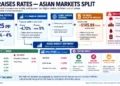
Persistent price growth could reduce the likelihood of near-term interest rate cuts. Some policymakers have signaled that maintaining current rates for longer — or potentially tightening policy further — may remain under consideration if inflation fails to moderate.
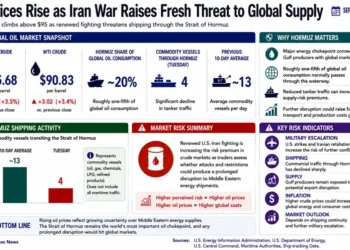
Energy prices have become a significant contributor to the recent acceleration in inflation. Gasoline costs have risen sharply in recent months, adding pressure to transportation and household budgets while also contributing to broader increases in consumer prices.
The inflation report arrives as consumer sentiment has weakened despite continued economic growth and strong equity market performance. Recent surveys have shown many households cutting discretionary spending as higher living costs erode wage gains.
Economic growth has remained positive, supported in part by business investment and higher-income consumer spending. However, weaker real income growth and elevated inflation continue to raise concerns about the durability of household demand in the months ahead.
Details about the longer-term trajectory of inflation and consumer spending remain uncertain as policymakers monitor the effects of energy costs, trade policies and broader economic conditions.