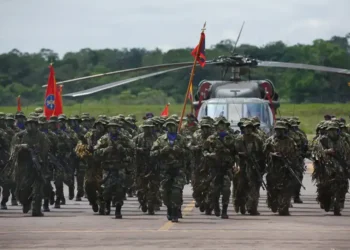
The United States has designated Brazil’s two largest criminal organizations as foreign terrorist groups, escalating tensions with President Luiz Inácio Lula da Silva’s government and deepening debate over Washington’s expanding anti-cartel strategy in Latin America. The U.S. State Department announced Thursday that the Primeiro Comando da Capital (PCC) and Comando Vermelho (CV) would formally receive the designation beginning June 5.
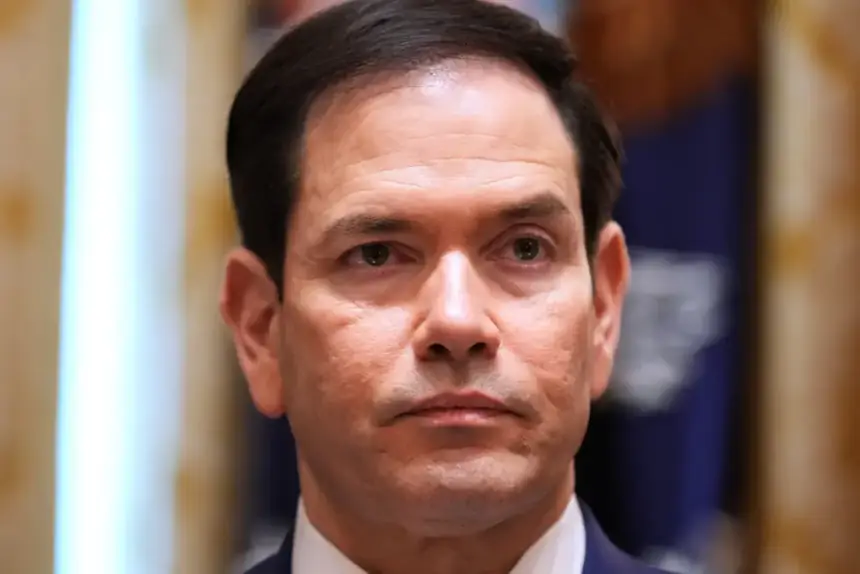
U.S. Secretary of State Marco Rubio stated that the organizations pose security threats extending beyond Brazil’s borders and accused them of orchestrating violence against civilians and public officials across the region. The State Department also classified both groups as “Specially Designated Global Terrorists,” according to official statements cited by Associated Press and Reuters reporting.
The decision comes months before Brazil’s presidential election and has already become a politically sensitive issue inside the country. Lula has repeatedly criticized the possible designation, arguing it could open the door to foreign interference in Brazilian domestic affairs while benefiting political rivals aligned with former President Jair Bolsonaro.

Washington Expands Anti-Cartel Strategy
The designation reflects a broader shift in U.S. policy under President Donald Trump, whose administration has increasingly applied counterterrorism tools to organized crime groups operating across Latin America.
Associated Press reporting noted that Washington has combined the terrorist designation strategy with more aggressive anti-trafficking operations, including maritime strikes against groups labeled “narcoterrorists” in the Caribbean Sea and eastern Pacific Ocean.
Reuters reported that the measure followed lobbying efforts from Brazilian opposition figures, including Senator Flávio Bolsonaro, who has publicly pushed for tougher international action against organized crime networks. Rubio and Trump reportedly held meetings with Bolsonaro allies in recent months as discussions over the designation intensified.
The PCC and Comando Vermelho are considered Brazil’s most influential criminal factions, with experts estimating their combined membership exceeds 50,000 people. Both organizations are heavily involved in drug trafficking, weapons smuggling, money laundering and territorial control operations extending into neighboring countries and Europe.
Brazil Raises Sovereignty Concerns
Brazilian officials have previously resisted classifying domestic criminal organizations as terrorist entities, arguing that Brazilian law reserves terrorism definitions primarily for politically or ideologically motivated violence.
■ Related News

Government officials cited in earlier reporting warned that adopting Washington’s framework could create legal and diplomatic complications, particularly if the designation were later used to justify unilateral foreign operations or sanctions.
Celso Amorim, Lula’s top foreign policy adviser, acknowledged the need for international cooperation against money laundering and organized crime but cautioned against measures that could undermine Brazilian sovereignty, Reuters reported.
Academic and legal analysts have also questioned whether expanding terrorism classifications to criminal cartels could blur distinctions between organized crime enforcement and military counterterrorism operations. Research published by legal and policy institutions warned that such classifications may increase pressure for cross-border security interventions.
Organized Crime Becomes Central Election Issue
Public security has emerged as one of the most important issues ahead of Brazil’s October election, with opposition figures accusing Lula’s administration of failing to contain gang violence and organized crime expansion.
At the same time, Brazilian prosecutors launched a major operation targeting fraud and money-laundering networks linked to PCC and Comando Vermelho. AP reporting stated authorities are investigating financial systems believed to have moved billions of dollars connected to criminal activity.
The gangs originated in Brazil’s prison system but later expanded across major urban centers and international trafficking routes. Brookings Institution research and other international studies have described the PCC in particular as one of Latin America’s most sophisticated criminal organizations, with growing influence over transnational cocaine networks.
Authorities in Brasília have not announced whether Brazil will formally respond to the U.S. designation through diplomatic or legal channels. Additional details regarding future security cooperation between both countries remain unclear.