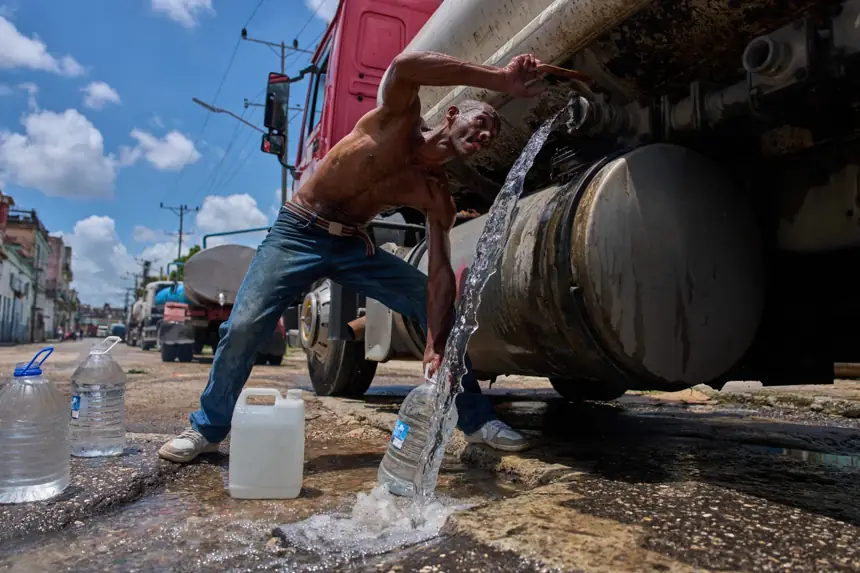
Cuba is facing worsening water shortages as severe fuel constraints continue to disrupt essential public services, deepening the island’s broader economic and humanitarian crisis. Government officials stated that nearly three million people are now affected by interruptions in water access as the country struggles with declining oil supplies and persistent power outages.
According to Antonio Rodríguez, head of Cuba’s National Institute of Water Resources, the country’s water system is operating with only around 37% of the fuel required to maintain normal operations. Official statements cited by Associated Press reporting said the shortages have severely affected water pumping systems, maintenance work and sewage management across multiple provinces.
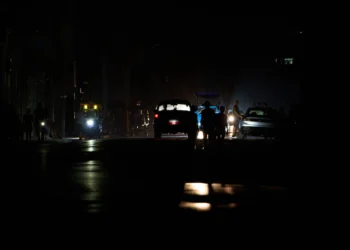
The crisis has become particularly acute in densely populated urban centers including Havana, Santiago de Cuba and Matanzas, where aging infrastructure and prolonged electricity cuts have complicated daily life for residents. Many apartment buildings depend on electric pumps to deliver water to upper floors, making blackouts lasting up to 20 hours especially disruptive.

Energy Shortages Expand Humanitarian Pressures
Cuba’s government has linked the worsening shortages to tighter U.S. sanctions and restrictions affecting fuel imports. Rodríguez stated that financial limitations had sharply reduced the agency’s annual procurement budget for pipes, pumps and other water system materials from roughly $100 million to $10 million.
International reporting in recent months has documented growing strain on the island’s infrastructure as fuel scarcity disrupts transportation, electricity generation and food distribution networks. Associated Press coverage previously described worsening shortages of medicine, food and household supplies alongside recurring blackouts across the country.
Residents interviewed in international reporting described increasingly difficult conditions as water deliveries by tanker trucks remain inconsistent. Some households reportedly travel long distances carrying containers to secure drinking water.
Infrastructure Problems Compound the Crisis
The Cuban government has acknowledged that decades-old infrastructure failures are intensifying the emergency. Water leaks, damaged pipelines and limited maintenance capacity have contributed to significant losses across the national system, while fuel shortages have slowed repair operations.
At the same time, the country’s electrical grid remains under pressure. Separate reporting this month noted that Cuba has struggled to secure sufficient oil shipments, contributing to extended blackouts and interruptions to public services.
■ Related News

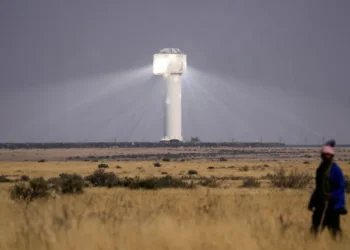
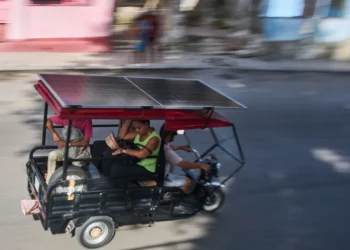
Authorities have promoted a large-scale solar energy expansion project aimed at reducing dependence on imported fuel. International reporting indicated that China has increased exports of solar equipment to Cuba as Havana attempts to stabilize electricity production. However, energy analysts cited in foreign coverage noted that renewable generation still represents a limited share of overall electricity supply.
Economic Pressures Continue to Mount
The shortages come amid a prolonged economic downturn that has pushed many Cubans deeper into hardship. AP reporting from earlier this year described growing hunger, rising inflation and deteriorating public services as the island confronts one of its most severe economic crises in decades.
International organizations and humanitarian groups have also raised concerns over the impact of infrastructure failures on health conditions and sanitation. Recent foreign reporting linked untreated water and unreliable waste management systems to increasing public health risks in some communities.
Cuban authorities have not publicly confirmed when fuel supplies or water distribution systems may fully stabilize. Details regarding additional emergency measures remain unclear.