Uganda has temporarily closed its border with the Democratic Republic of Congo after a surge in suspected cases linked to a rare strain of Ebola, escalating concerns over a widening regional health emergency in East Africa. Ugandan authorities announced the measure Wednesday as infections tied to the outbreak continued to spread in eastern Congo and new cases emerged inside Uganda.
The outbreak involves the Bundibugyo strain of Ebola, a rare variant for which no approved vaccines or targeted treatments currently exist. Ugandan officials said the decision followed growing concern that health workers inside the country had been exposed to infected Congolese patients who crossed the border before the outbreak was officially declared on May 15.
Uganda’s border closure directly contradicts guidance from the World Health Organization, which has warned that shutting borders can drive movement through unofficial crossings and complicate efforts to trace infections.

Cases Rise Rapidly in Eastern Congo
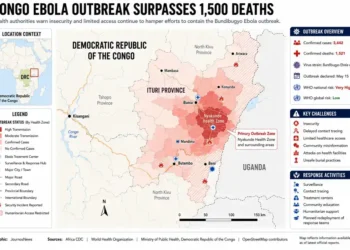
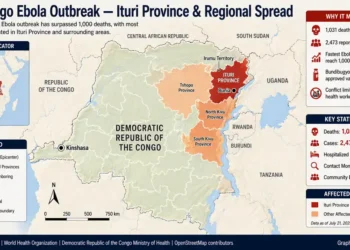
Health authorities in Congo reported that suspected Ebola cases are nearing 1,000, with more than 220 suspected deaths linked to the outbreak. Congolese officials said more than 100 infections have already been laboratory confirmed while thousands of potential contacts are being monitored.
The outbreak is centered in Ituri province in eastern Congo, a region already affected by armed conflict, displacement, weak healthcare infrastructure, and frequent cross-border movement. The World Health Organization declared the outbreak a Public Health Emergency of International Concern on May 17, warning that the scale of infections may be significantly larger than currently detected.
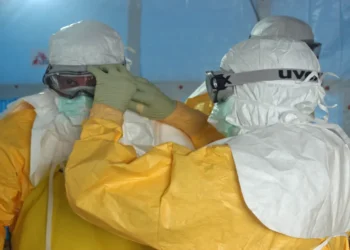
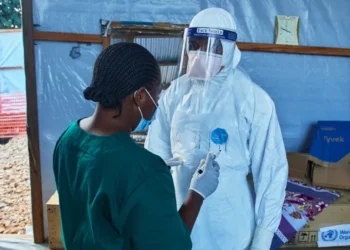
WHO officials stated that the outbreak went undetected for weeks and that insecurity in eastern Congo has complicated surveillance and treatment operations. Medical teams have also faced community mistrust, attacks on facilities, and shortages of protective equipment and testing resources.
Uganda Reports Confirmed Infections
Uganda has confirmed seven Ebola cases, including one death, according to regional health authorities and European disease monitoring agencies. Several infections were traced to cross-border exposure linked to patients arriving from Congo.
Authorities said anyone allowed to enter Uganda under emergency exemptions — including humanitarian, cargo, security, or outbreak-response operations — would face mandatory 21-day isolation measures.
■ Related News



Uganda’s Health Ministry said additional infections included healthcare workers and transport personnel identified through contact tracing. Reuters reported that one confirmed case involved a Congolese woman who traveled to Kampala while experiencing mild symptoms before later testing positive after returning to Congo.
International Health Concerns Intensify
Governments worldwide have begun tightening travel restrictions and screening measures as fears grow over possible international spread. Reuters reported that the United States expanded screening measures and restricted entry for some travelers recently present in Congo, Uganda, or South Sudan. Canada, the Bahamas, and several Asian and Middle Eastern countries also introduced new controls.
The U.S. Centers for Disease Control and Prevention stated that the risk of spread to the United States remains low but urged clinicians and public health officials to remain alert.
Health agencies have emphasized that Ebola spreads primarily through direct contact with bodily fluids from infected individuals. Experts say healthcare workers and family caregivers remain among the highest-risk groups during outbreaks.
Rare Ebola Strain Raises Additional Challenges
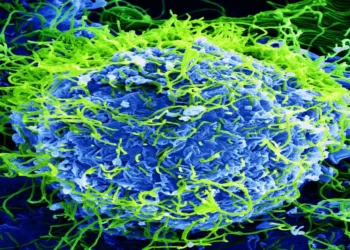
The Bundibugyo strain was first identified in Uganda in 2007 and is considered less common than the Zaire strain associated with previous major Ebola epidemics. Unlike some other Ebola variants, there are currently no widely approved vaccines or antiviral therapies specifically targeting Bundibugyo virus disease.
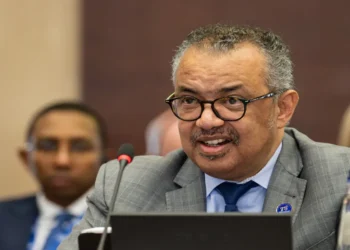
International responders warned that the combination of armed conflict, population displacement, porous borders, and limited medical infrastructure could make containment significantly more difficult. WHO Director-General Tedros Adhanom Ghebreyesus called for a ceasefire in eastern Congo to improve access for medical teams responding to the outbreak.
Details about the full scale of infections remain uncertain as authorities continue testing suspected cases and tracing contacts across affected regions.