Chinese authorities have launched a major investigation into alleged safety violations after a gas explosion at a coal mine in northern China killed at least 82 people in the country’s deadliest mining disaster in years.
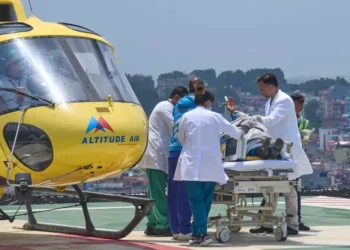
The blast struck the Liushenyu coal mine in Qinyuan county, Shanxi province, on Friday evening while hundreds of workers were underground. Officials said more than 120 miners were hospitalized and two others remained missing as rescue teams continued searching through damaged tunnels.
The disaster has intensified national concern over industrial safety standards in China’s coal sector, despite years of government efforts to reduce workplace fatalities and close unsafe mining operations. Shanxi province remains central to China’s energy industry, producing nearly one-third of the country’s coal output.

Authorities Focus on Possible Safety Violations
Chinese investigators said the mine operator, Shanxi Tongzhou Coal & Coke Group, may have committed “serious violations” of safety regulations, though officials have not yet publicly detailed the suspected breaches. Several executives and individuals linked to the company were reportedly placed under official control as investigators began a nationwide review of coal mine safety procedures.
According to state media reports, rescue operations were complicated because blueprints provided by the mine operator did not match the actual underground layout. Emergency responders also faced dangerous gas conditions and flooded tunnels while attempting to locate trapped workers.
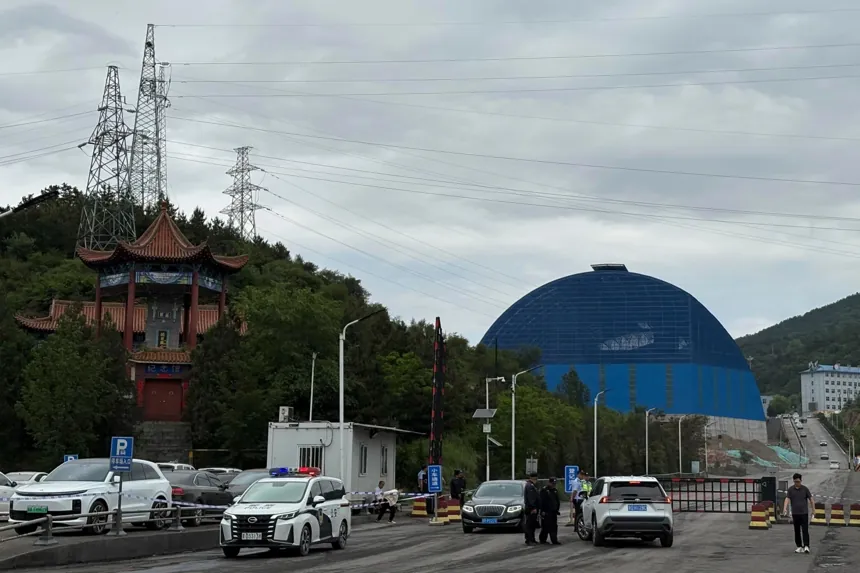
An Associated Press journalist at the site observed heavy police and security presence around the mine entrance as emergency vehicles and rescue crews continued operating through the weekend.
Xi Jinping Orders Full Investigation
Chinese President Xi Jinping ordered an “all-out effort” to rescue survivors and demanded a comprehensive investigation into the causes of the explosion.
State Council officials dispatched a high-level investigative team to Shanxi, promising what state media described as a “rigorous and uncompromising” probe into the disaster. Premier Li Qiang also called for accountability and stronger enforcement of workplace safety measures.
■ Related News



The Liushenyu mine had previously been identified by China’s National Mine Safety Administration as a disaster-prone facility because of high gas concentrations underground. The site reportedly had an annual production capacity of 1.2 million tons of coal.
Coal Industry Faces Renewed Scrutiny
The explosion is the deadliest mining accident in China since at least 2009 and has renewed debate over the country’s dependence on coal despite expanding investments in renewable energy. Analysts noted that pressure to maintain energy production often clashes with safety enforcement in heavily industrial regions.
Coal remains one of China’s primary energy sources because of its affordability and domestic availability. Although official figures show mining fatalities have declined significantly over the past two decades, accidents involving gas explosions, tunnel collapses, and fires continue to occur regularly.
Following the Shanxi explosion, authorities temporarily shut down all four mines operated by the Tongzhou group and ordered wider safety inspections across several mining regions. Commodity markets reacted immediately, with coking coal prices rising sharply amid expectations of supply disruptions.
Local Communities Mourn Victims
Families of miners gathered near hospitals and emergency centers in Qinyuan county as officials worked to identify victims and provide medical treatment to survivors.
One hospitalized miner told Chinese state broadcaster CCTV that he smelled sulfur and saw smoke moments before losing consciousness. “I told people to run,” he said in televised remarks quoted by international media.
The tragedy has deeply affected communities across Shanxi, where coal mining remains a major source of employment and economic activity. Observers said the disaster is likely to intensify public pressure for stricter enforcement of industrial safety laws and greater transparency surrounding mining operations.