Afghanistan is facing mounting economic and humanitarian pressure as the ongoing disruption in the Strait of Hormuz severely restricts trade flows and aid deliveries into the landlocked country.
Officials and aid organizations said the regional conflict linked to Iran and the closure of critical shipping routes have compounded Afghanistan’s existing logistical crisis, which was already strained by border tensions with Pakistan. The disruption has left businesses unable to import goods efficiently while humanitarian agencies struggle to deliver food and medical supplies.
The Strait of Hormuz, one of the world’s most important maritime trade corridors, handles a major share of global oil and cargo shipments. Restrictions on shipping through the waterway have triggered widespread delays, soaring freight costs, and disruptions across several Asian economies dependent on Gulf trade routes.

Aid Deliveries Face Severe Delays
The United Nations World Food Program warned that transportation costs for humanitarian supplies entering Afghanistan have risen dramatically because of rerouted shipping and prolonged delivery times.
According to international reports, nutritional supplements for malnourished mothers and children, along with food assistance programs for schoolchildren, have been disrupted as supply chains passing through Iran’s Bandar Abbas port became unreliable. Aid agencies said some deliveries that once took days are now delayed for weeks.
Humanitarian officials also warned that rising fuel and insurance costs tied to the Hormuz crisis are increasing operational expenses for relief organizations already struggling with funding shortages. Analysts noted that prolonged instability could worsen hunger and poverty levels across Afghanistan, where millions already rely on international assistance.
Businesses Struggle With Rising Costs
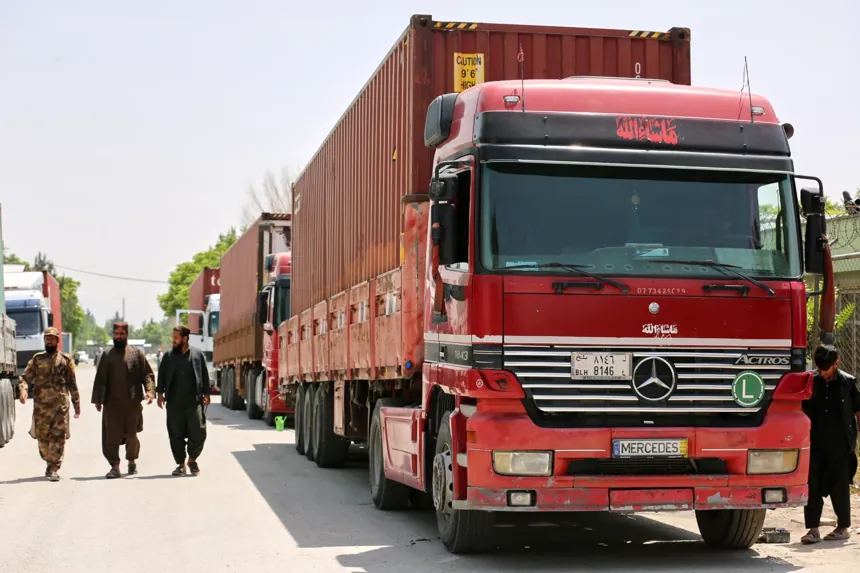
Afghan traders said thousands of containers carrying commercial goods remain stranded either in Pakistan or near Iranian shipping routes affected by the conflict.
Business owners in Kabul reported that transportation costs have doubled or even increased several times over because importers are being forced to reroute shipments through Central Asia. Traders warned that prolonged disruption could force many companies to shut down operations entirely.




The Afghan Commerce Ministry said authorities have attempted to stabilize domestic prices by increasing imports from Central Asia, Russia, and China. Officials added that more than half of Afghanistan’s trade now moves through northern regional corridors as dependence on Pakistan and Gulf shipping routes declines.
Regional Conflict Expands Economic Pressure
The trade crisis is closely linked to broader tensions involving Iran, the United States, and regional shipping security in the Persian Gulf.
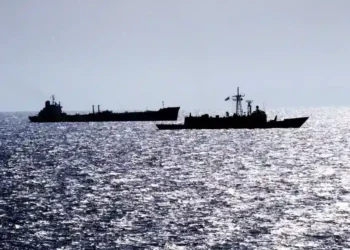
International monitoring groups reported that traffic through the Strait of Hormuz sharply declined following military escalation and naval restrictions connected to the Iran conflict. Insurance premiums for vessels operating near the Gulf have surged, while several countries deployed naval escorts to protect commercial shipping routes.
Analysts said Afghanistan remains particularly vulnerable because of its geographic dependence on neighboring transit states and foreign-controlled shipping access. The closure of border crossings with Pakistan earlier in the conflict further intensified the country’s economic isolation.
Central Asia Emerges as Alternative Route
In response to the crisis, Afghan businesses and government agencies increasingly shifted trade toward Central Asian routes, including rail and overland corridors connected to Uzbekistan, Turkmenistan, and broader Eurasian markets.
Commerce officials said food and fuel imports from Russia and Central Asia have helped prevent major domestic shortages despite the shipping crisis. Some cargo previously routed through Gulf ports is now entering Afghanistan through Turkey and the Caucasus region before moving by rail across Central Asia.
However, economists cautioned that these alternative routes remain more expensive and less efficient than traditional access through Pakistan and the Strait of Hormuz. Continued instability in the Gulf could therefore prolong Afghanistan’s economic hardships and deepen humanitarian vulnerabilities.