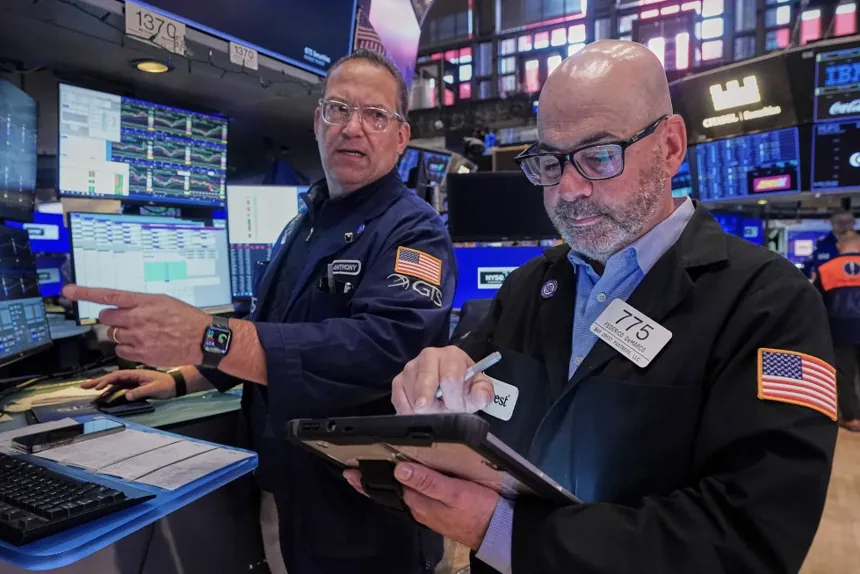
U.S. stocks continued climbing this week even as American households reported worsening concerns about inflation and the broader economy, highlighting a widening disconnect between financial markets and consumer sentiment. The rally has been supported by stronger-than-expected corporate earnings and resilient investor appetite despite geopolitical and inflationary risks.
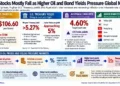
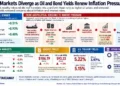
The benchmark S&P 500 advanced toward another record high, marking its eighth consecutive weekly gain, while the Dow Jones Industrial Average and the Nasdaq Composite also posted gains. Investors continued rotating into companies delivering strong quarterly earnings, particularly in technology, retail and software sectors.
Consumer Sentiment Falls to Record Low
The market gains came as the University of Michigan’s latest consumer survey showed sentiment deteriorating further in May. According to the survey, inflation expectations for the next 12 months rose to 4.8%, while longer-term inflation expectations climbed to 3.9%. Economists monitor these figures closely because persistent inflation expectations can influence consumer spending and wage demands.

Lower-income households were among the most pessimistic groups surveyed, reflecting pressure from higher fuel and living costs. Rising oil prices linked to tensions involving Iran and disruptions around the Strait of Hormuz have contributed to renewed inflation concerns globally.
Corporate Earnings Continue Supporting Equities
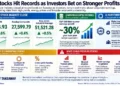
Several companies helped extend the market rally after reporting results above analyst expectations. Retailer Ross Stores gained after posting stronger quarterly profit and revenue figures, while Estee Lauder rose sharply after saying it was no longer pursuing a potential merger with Spanish beauty group Puig. Software firms Workday and Zoom Communications also advanced following earnings reports that exceeded Wall Street forecasts.
Analysts said the resilience in equities reflects continued confidence in corporate profitability and artificial intelligence-related investment trends, even as consumers remain cautious about the economic outlook. Market strategists also noted that earnings growth across major U.S. companies has remained stronger than expected during the first quarter of 2026.
Oil Prices and Bond Yields Remain Key Risks
Investors are also monitoring rising Treasury yields and volatile energy markets. The yield on the 10-year U.S. Treasury remained elevated compared with levels before the escalation in Middle East tensions, increasing borrowing costs across the economy. Mortgage rates have also climbed to their highest levels in several months, adding pressure to household budgets and the housing market.
Federal Reserve Governor Christopher Waller said policymakers were watching inflation expectations carefully but indicated there was currently no immediate need for higher interest rates. Markets have nevertheless reduced expectations for Federal Reserve rate cuts later this year because of persistent inflation concerns.

Global Markets Also Advance
Equity markets in Europe and Asia also posted gains, with Japan’s benchmark Nikkei index reaching another record high after domestic inflation data came in below expectations. Analysts said global investors remain focused on corporate earnings momentum and the outlook for central bank policy despite growing geopolitical uncertainty.
According to reporting from Associated Press and Reuters, the divergence between rising stock prices and weakening household sentiment has become increasingly pronounced as financial markets continue to prioritize earnings strength over consumer caution.