A U.S. indictment targeting former Cuban leader Raúl Castro has revived international attention on one of the most contentious episodes in modern U.S.-Cuba relations: the 1996 shootdown of civilian aircraft operated by the Miami-based exile organization Brothers to the Rescue.
According to Associated Press reporting, the U.S. Justice Department accuses Castro — who served as Cuba’s defense minister at the time — of involvement in the destruction of two unarmed planes flown by the group near Cuban airspace, an incident that killed four Cuban American activists and sharply escalated tensions between Washington and Havana.
The renewed legal action comes nearly three decades after Cuban fighter jets downed the aircraft on Feb. 24, 1996, during a confrontation that remains deeply divisive among Cuban exiles, U.S. officials, and the Cuban government. The indictment reflects a broader hardening of U.S. policy toward Cuba under the administration of Donald Trump.

Exile Group Became Symbol of Anti-Castro Resistance
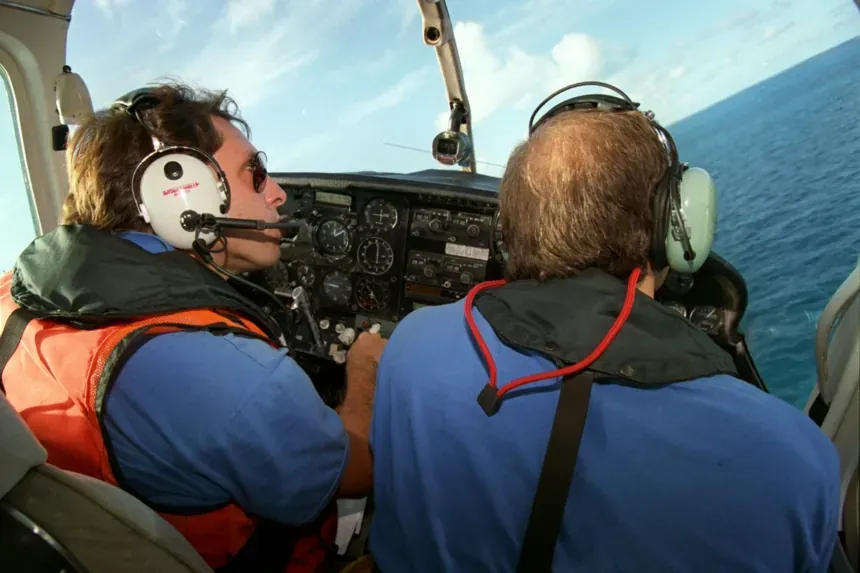
Brothers to the Rescue was founded in the early 1990s by Cuban exile pilot José Basulto to assist Cuban migrants attempting to cross the Florida Straits on makeshift rafts.
The organization initially focused on humanitarian search-and-rescue operations and claimed to have helped save thousands of Cuban migrants fleeing the island. However, as migration patterns changed, the group increasingly shifted toward political activism opposing Cuba’s communist government.
According to international reports, some flights conducted by the group entered or approached Cuban airspace while dropping anti-government leaflets over Havana, actions Cuban authorities described as provocations and violations of sovereignty.
Cuban officials argued at the time that the planes posed a security threat and had ignored repeated warnings. U.S. authorities and international investigators, however, concluded the aircraft were shot down over international waters.
1996 Shootdown Triggered International Outrage
On the day of the incident, Cuban MiG fighter jets shot down two Cessna aircraft operated by Brothers to the Rescue, killing Carlos Costa, Armando Alejandre Jr., Mario de la Peña, and Pablo Morales. A third aircraft carrying Basulto escaped and returned to Miami.


The attack prompted widespread international condemnation and led the United Nations Security Council to pass Resolution 1067 condemning the use of weapons against civilian aircraft. Then-U.S. President Bill Clinton denounced the incident and later signed legislation tightening sanctions on Cuba.
The shootdown also intensified scrutiny of Cuban intelligence operations in South Florida. Investigations later revealed that Cuban agents had infiltrated exile organizations, including Brothers to the Rescue, leading to the arrest of the so-called “Cuban Five” spy network in the United States.
Renewed Case Reflects Broader Geopolitical Tensions
Analysts say the decision to pursue charges against Castro carries both symbolic and geopolitical significance. Although Castro is unlikely to face extradition, the case revives unresolved historical grievances that continue to shape U.S.-Cuba relations and domestic politics within Florida’s Cuban American community.
Cuban President Miguel Díaz-Canel has condemned the indictment as politically motivated, accusing Washington of distorting historical events for strategic purposes. Cuban officials maintain the 1996 operation was an act of national defense.
According to Reuters and AP reporting, the indictment also reflects broader efforts by U.S. authorities to increase pressure on Havana amid worsening economic conditions on the island and growing regional tensions involving Cuba’s alliances with governments such as Venezuela.
For many Cuban exiles, however, the case represents a delayed attempt at accountability for an incident that remains one of the most painful chapters in the history of the Cuban diaspora in the United States.