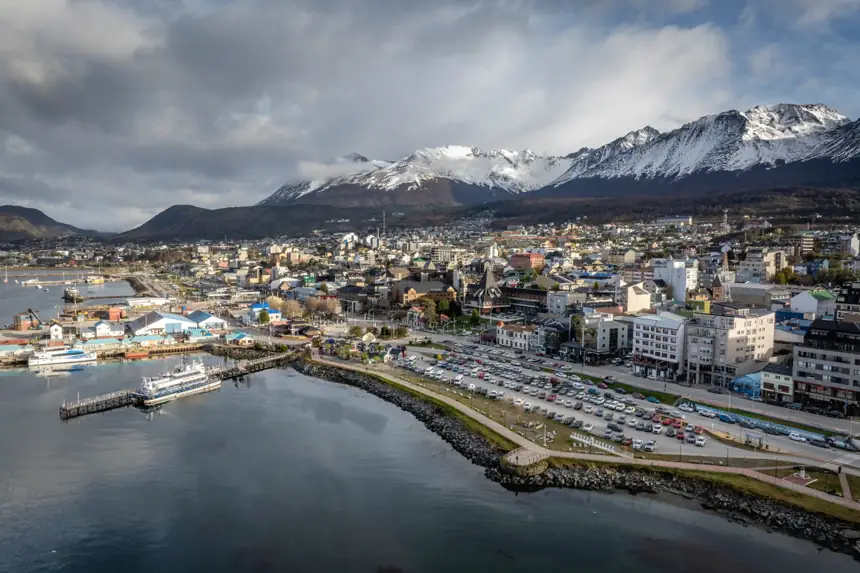
Argentina’s southern city of Ushuaia, a major global departure point for Antarctic cruises, is facing growing fears that a deadly hantavirus outbreak linked to an expedition vessel could damage tourism and weaken the local economy ahead of the busy travel season. (AP News)
Local officials and tourism operators in Tierra del Fuego province have sought to reassure international travelers after speculation emerged that the Andes strain of hantavirus may have originated near Ushuaia before spreading aboard the Dutch cruise ship MV Hondius. The outbreak has already resulted in multiple deaths and infections involving passengers from several countries.
Authorities stressed that there is currently no confirmed evidence linking Ushuaia directly to the source of the virus. However, the international attention surrounding the outbreak has already triggered concerns about cancellations and declining tourism interest in the region known as the “end of the world.”

Antarctic Tourism Industry Faces Uncertainty
Ushuaia serves as one of the world’s most important gateways for Antarctic tourism, with thousands of international visitors arriving annually for polar cruises and Patagonia expeditions. Tourism accounts for a significant share of the local economy, and business owners fear prolonged health concerns could disrupt upcoming travel bookings.
Julio Lovece, a former tourism official in Ushuaia, said the city has long promoted itself as a remote and pristine destination insulated from many global crises. According to international reports, local operators worry the outbreak could undermine that image at a sensitive moment for the sector.
The MV Hondius departed from Ushuaia on April 1 carrying nearly 150 passengers and crew on a South Atlantic expedition cruise. Investigators later identified several hantavirus infections among passengers, including cases linked to the Andes variant, a rare strain capable of limited human-to-human transmission.
Health Authorities Continue Investigation
Argentine health officials are continuing epidemiological investigations into where the original infections may have occurred. Reports indicate that two Dutch passengers who later died had traveled extensively through Argentina and Chile before boarding the cruise ship.
Scientists have begun trapping and testing rodents in areas visited by the travelers, including bird-watching sites near Ushuaia. Some investigators have examined whether exposure to rodent-contaminated areas could have contributed to the infections, although no definitive conclusions have been announced.
■ Related News



Provincial officials in Tierra del Fuego have strongly rejected suggestions that the outbreak began locally, arguing that the region has historically reported few or no known cases involving the Andes hantavirus strain.
International Monitoring Expands
The World Health Organization has stated that additional cases linked to the cruise outbreak may emerge because of the virus’s incubation period, but officials emphasized there is no evidence of a wider global outbreak at this stage.
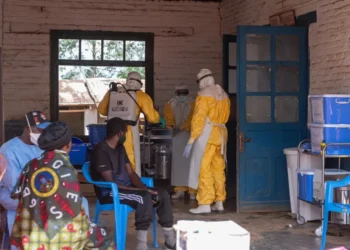
Passengers from the cruise have been monitored or quarantined across multiple countries as health agencies coordinate international surveillance efforts. The outbreak has renewed broader discussions about infectious disease risks associated with cruise tourism and remote expedition travel.
Medical experts noted that hantavirus is primarily spread through exposure to infected rodent urine or droppings, though the Andes strain found in South America is unusual because it can occasionally spread between humans through prolonged close contact.
Despite mounting concern, tourism officials in Ushuaia continue to emphasize that the city remains open to visitors and that no widespread public health emergency has been declared in the region.