U.S. President Donald Trump has announced plans to seek a suspension of the federal gasoline tax as rising fuel costs linked to the Iran conflict intensify economic pressure on American consumers, though legal and political barriers make immediate implementation uncertain.
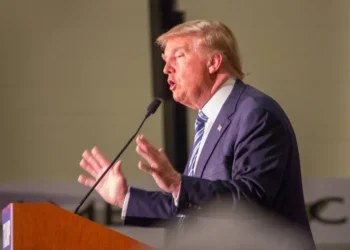
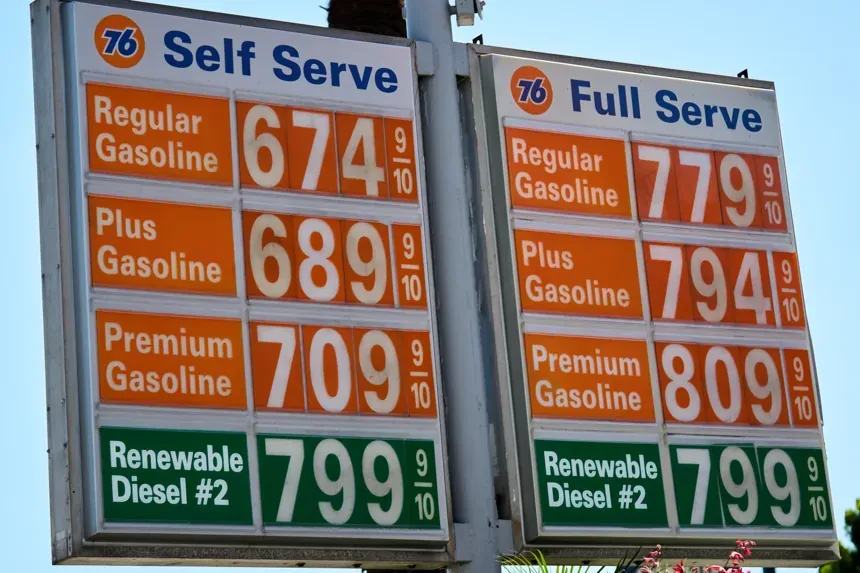
Speaking at the White House on Monday, Trump said his administration would move to halt the federal gas tax temporarily to reduce prices at the pump ahead of the summer travel season. The proposal comes as average U.S. gasoline prices have climbed above $4.50 per gallon following disruptions to shipping routes near the Strait of Hormuz during the ongoing Iran war.
However, the president does not have unilateral authority to suspend the tax. The federal gasoline levy — currently 18.4 cents per gallon — was established by Congress and finances the Highway Trust Fund, which supports national road and transit infrastructure projects. Any suspension would require congressional approval.

The White House has framed the proposal as part of a broader effort to contain economic fallout from the Middle East crisis. The administration has already released oil from strategic reserves and eased some restrictions affecting global energy flows in an attempt to stabilize fuel markets.
Economic Pressure Intensifies Ahead of Summer
Fuel costs have emerged as a growing political challenge for the Trump administration after months of escalating conflict involving Iran and disruptions to maritime traffic in the Persian Gulf. Oil markets reacted sharply after renewed tensions threatened shipping through the Strait of Hormuz, a critical corridor for global crude exports.
The proposed gas tax suspension would likely provide only limited direct savings for consumers. Analysts cited by multiple U.S. outlets estimated that a full suspension could reduce prices by roughly 18 cents per gallon if retailers pass on the entire tax reduction to drivers. Economists have warned, however, that market conditions and refinery costs could dilute the impact.
Industry groups and fiscal policy experts also cautioned that pausing the tax could worsen federal budget pressures and undermine long-term infrastructure funding. According to Associated Press reporting, the federal gasoline tax generates more than $23 billion annually for transportation projects across the United States.
Congressional Debate Takes Shape
Several Republican lawmakers have indicated support for legislation backing a temporary gas tax holiday, while some Democrats noted they had proposed similar measures during earlier periods of inflation and energy volatility. Still, bipartisan consensus remains uncertain.
■ Related News


Senate Majority Leader John Thune reportedly expressed concerns about the financial impact on transportation funding programs, signaling potential resistance even within Trump’s own party.
The debate revives a policy dispute that surfaced repeatedly during earlier energy crises, including during the Biden administration in 2022. Previous attempts to suspend the federal gas tax failed to gain sufficient support in Congress amid concerns that the measure offered only short-term political relief without addressing underlying energy supply constraints.
Global Energy Risks Continue to Shape U.S. Policy
The administration’s proposal reflects how the Iran conflict has increasingly influenced domestic economic policy in Washington. Rising fuel costs have become intertwined with broader concerns over inflation, shipping disruptions, and energy security as global markets respond to instability in the Middle East.
Trump has continued to argue that ending the conflict would ultimately bring down energy prices more effectively than temporary tax relief measures. At the same time, his administration faces mounting pressure from lawmakers and voters concerned about the economic consequences of prolonged regional instability.
Despite the political momentum behind the proposal, analysts say a federal gas tax suspension would face a difficult path through Congress, particularly as lawmakers debate budget priorities and infrastructure spending ahead of the midterm election cycle.