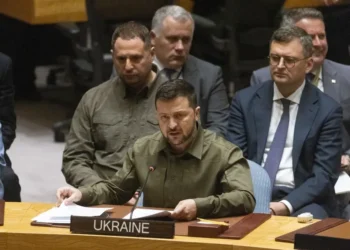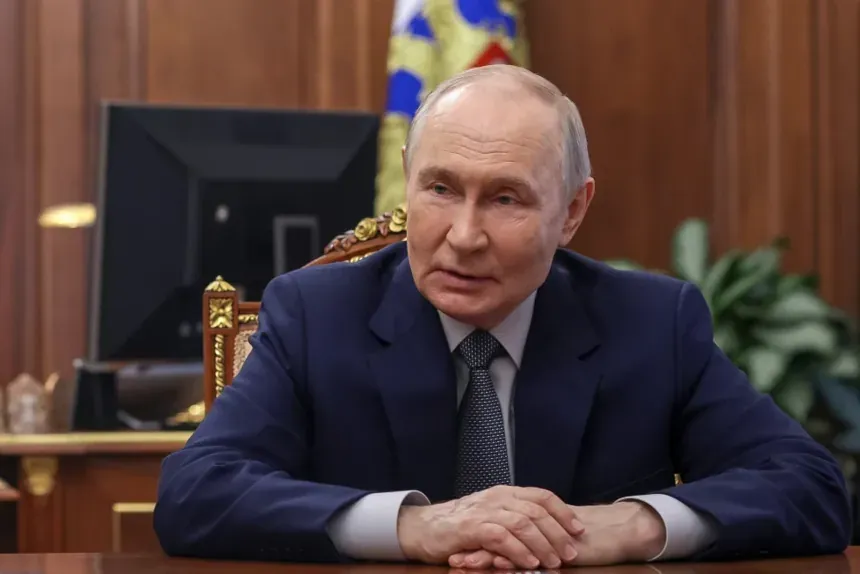
Russia has announced a unilateral ceasefire in Ukraine to coincide with its Victory Day commemorations, while Kyiv has proposed an earlier halt to hostilities, highlighting persistent divisions over efforts to pause fighting in the nearly three-year war.
Moscow said the truce would take effect on May 8–9 to mark the anniversary of the Soviet Union’s victory over Nazi Germany in World War II. Ukrainian President Volodymyr Zelenskyy responded by declaring a separate ceasefire beginning two days earlier, signaling a competing approach to de-escalation.
Competing Ceasefire Timelines Deepen Diplomatic Strains
Russia’s Defense Ministry framed its proposal as a humanitarian pause but warned that any Ukrainian disruption of Victory Day events would prompt retaliation, including potential strikes on Kyiv.

Zelenskyy said Ukraine’s ceasefire would begin at midnight earlier in the week and remain contingent on Russia’s actions, emphasizing that Kyiv would respond “in kind” to any violations.
The differing timelines underscore the absence of coordinated negotiations, with both sides advancing unilateral initiatives rather than jointly agreed measures.
Symbolism and Security Concerns Intersect
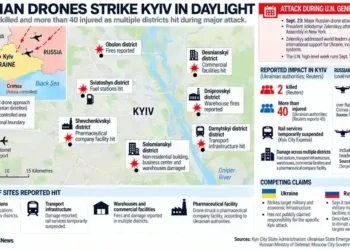
Victory Day, a major national holiday in Russia, typically features a large-scale military parade in Moscow’s Red Square. This year’s preparations have been scaled back amid heightened security concerns, including Ukrainian drone strikes inside Russian territory.
Officials in Moscow have also signaled readiness to respond forcefully to perceived threats during the commemorations, reflecting the continued intensity of the conflict despite temporary ceasefire announcements.
Limited Trust Undermines Ceasefire Prospects
Previous attempts at short-term truces in the war have largely failed to hold, with both sides accusing each other of violations. Analysts note that the latest announcements follow a pattern of symbolic ceasefires tied to holidays that have struggled to translate into sustained reductions in fighting.
■ Related News



Zelenskyy has criticized Russia’s proposal as insufficient, arguing that meaningful progress would require longer-term commitments rather than brief pauses linked to ceremonial events.
International Implications Remain Uncertain
The competing ceasefire declarations come amid continued Western support for Ukraine and ongoing diplomatic efforts to explore pathways toward de-escalation. However, the lack of coordination between Moscow and Kyiv highlights the challenges facing mediators seeking to establish a durable ceasefire.
As both sides proceed with separate timelines, the immediate impact on the battlefield remains unclear, with the potential for escalation persisting if either party accuses the other of breaching the proposed pauses.
The episode underscores the fragile state of ceasefire diplomacy in the conflict, where symbolic gestures continue to fall short of establishing sustained peace, leaving the broader trajectory of the war unresolved.