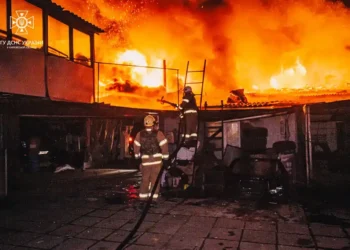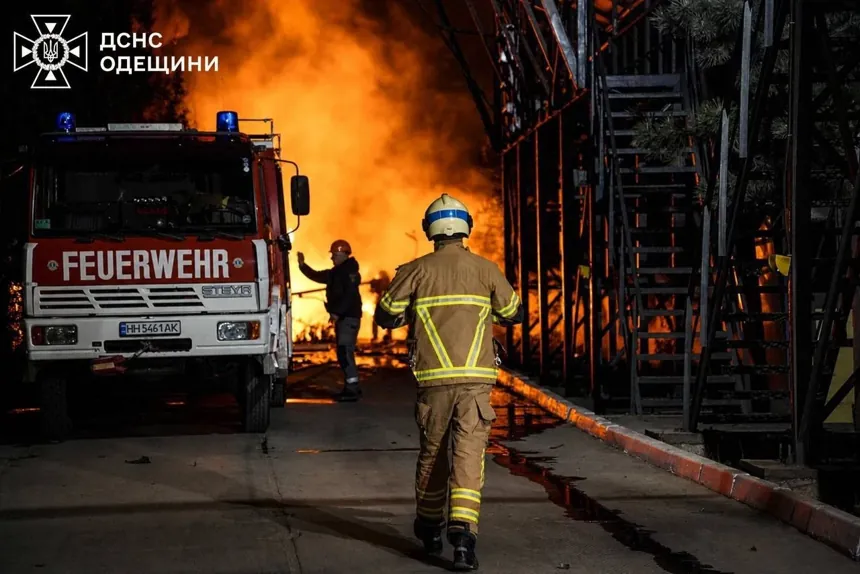
Ukraine has broadened its campaign against Russian energy infrastructure, targeting a major oil-loading port and vessels linked to Moscow’s so-called “shadow fleet,” in a move that signals a sharper focus on economic pressure and maritime disruption. The strikes point to a recalibration of Kyiv’s strategy, extending beyond battlefield attrition into the logistics sustaining Russia’s war effort.
According to reporting by the Associated Press, Ukrainian forces struck facilities tied to a critical Russian export corridor while also hitting multiple tankers believed to be involved in circumventing Western sanctions. The developments underscore an evolving operational doctrine aimed at constraining Russia’s ability to monetize its energy exports.
Strategic Depth Shrinks as Energy Nodes Come Under Fire
The latest strikes highlight Ukraine’s increasing capability to reach beyond immediate front-line targets and disrupt infrastructure deeper within Russia’s logistical network. By focusing on oil-loading terminals—key junctions between production and global markets—Kyiv is targeting vulnerabilities that extend into Russia’s fiscal stability.

This approach reflects a broader effort to impose costs not only on military assets but on the economic systems underpinning them. The choice of targets suggests a deliberate attempt to complicate export flows and raise operational risks for entities facilitating Russian oil shipments.
Shadow Fleet Exposure Signals Economic Pressure Tactics
The reported targeting of three tankers linked to Russia’s “shadow fleet” introduces a new dimension to Ukraine’s strategy. These vessels, often operating under opaque ownership structures, have been widely used to bypass sanctions imposed by Western governments following the invasion of Ukraine.
By striking such ships, Ukraine appears to be signaling that sanctions evasion networks are no longer insulated from direct operational risk. This could have ripple effects across global shipping markets, particularly among operators already navigating compliance uncertainties.
The move also aligns with broader Western efforts to curtail Russia’s oil revenues, though Ukraine’s direct action adds an enforcement layer that goes beyond regulatory frameworks.
Regional Deterrence Tested in Expanding Maritime Domain
The widening scope of Ukrainian strikes raises questions about deterrence dynamics in the Black Sea and surrounding regions. Russia has previously warned that attacks on its infrastructure could trigger retaliatory measures, particularly against Ukrainian ports and grain export routes.



At the same time, Ukraine’s demonstrated reach may alter risk calculations for Russian logistics planners, potentially forcing the redistribution of defensive resources or adjustments in shipping patterns. This evolving dynamic introduces additional volatility into an already contested maritime environment.
Diplomatic Risk Edges Higher as Conflict Scope Broadens
The expansion of strikes into energy and maritime domains carries potential diplomatic consequences. While Western allies have largely supported Ukraine’s right to self-defense, attacks affecting global energy supply chains could draw increased scrutiny, particularly from countries sensitive to oil price fluctuations.
There is also the question of escalation management. As Ukraine pushes deeper into economically strategic targets, the likelihood of reciprocal actions grows, raising the stakes for both sides and for external actors monitoring the conflict’s trajectory.
Forward Outlook: Economic Warfare Intensifies
Ukraine’s latest actions suggest a sustained pivot toward economic warfare, where infrastructure and logistics become primary targets alongside conventional military objectives. This approach may not yield immediate battlefield gains, but it introduces longer-term pressure points that could influence Russia’s capacity to sustain operations.
The coming weeks will likely test whether this strategy can meaningfully disrupt Russian export flows or instead provoke countermeasures that further expand the conflict’s scope. Either outcome points to a war increasingly defined not just by territorial control, but by the contest over economic endurance and strategic reach.