The ongoing conflict in Sudan has left its capital, Khartoum, littered with unexploded mines and munitions, creating a growing Sudan landmine crisis that is endangering civilians—particularly children—as they return to devastated neighborhoods. The contamination of urban areas with hidden explosives is emerging as a major humanitarian and security challenge with implications for post-conflict recovery and international aid efforts.
Civilian Casualties Highlight Escalating Humanitarian Emergency
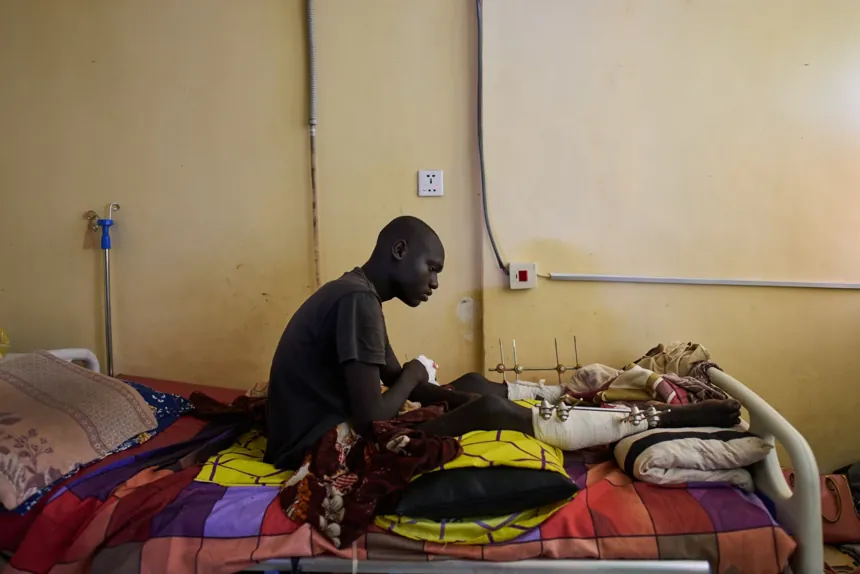
Unexploded ordnance—including land mines, rockets, grenades, and shells—has caused hundreds of casualties since the war began in 2023. According to reporting from The Associated Press, nearly 60 people were killed or injured in Khartoum state in 2025 alone, with more than half of the victims children; in early 2026, 21 of 23 recorded casualties were also children.
The dangers are compounded by a lack of awareness among returning residents, many of whom are unfamiliar with identifying explosive remnants. Survivors interviewed described life-altering injuries and psychological trauma, underscoring the long-term human cost of the conflict beyond active fighting.

Urban Contamination Expands as Conflict Reaches Capital
The scale of contamination is significant, with areas equivalent to thousands of football fields affected nationwide, much of it linked to recent fighting between the Sudanese army and the Rapid Support Forces. Both sides have been accused by aid groups of deploying mines during battles for control of Khartoum, further complicating recovery efforts.
Large parts of the capital remain scarred by conflict, with abandoned buildings and public spaces hiding explosive hazards. In some locations, demining teams have discovered hundreds of devices in single sites, including parks and residential zones, highlighting the widespread nature of the threat.
Demining Efforts Struggle Amid Resource Constraints
Efforts to clear explosives are underway but face severe limitations. United Nations-supported teams and local organizations have cleared millions of square meters of land and removed tens of thousands of devices, yet progress remains slow due to the painstaking nature of demining operations.
Specialists typically clear only small sections of land each day, meaning full removal could take years. Funding shortages and limited personnel further restrict the scale of operations, raising concerns about prolonged risks for civilians attempting to rebuild their lives.
Fear and Limited Awareness Hamper Risk Mitigation
Authorities have begun public awareness campaigns through mosques, schools, and media channels, but these efforts only started in late 2024 and have yet to reach all communities. Some residents remain hesitant to report unexploded ordnance, fearing questioning or reprisals from security forces in areas recently retaken by the army.
■ Related News



Human rights observers note that such dynamics complicate coordination between civilians and authorities, increasing the likelihood of accidents. The lack of widespread education on explosive risks continues to expose vulnerable populations, particularly children, to danger.
Strategic and Humanitarian Stakes Intensify
The proliferation of unexploded weapons in Khartoum adds a new dimension to Sudan’s broader humanitarian crisis, already described as one of the world’s most severe. As displaced populations return, the presence of hidden explosives threatens to undermine reconstruction, delay economic recovery, and strain international aid systems.
Experts warn that without sustained international support and expanded demining capacity, the Sudan landmine crisis could persist long after active hostilities decline, embedding long-term instability in urban and rural communities alike.
Conclusion
As Sudan’s conflict continues, the growing threat of unexploded mines and weapons in Khartoum underscores the enduring dangers facing civilians beyond the battlefield. The effectiveness of clearance efforts and international support will be critical in determining whether the capital can safely transition from warzone to recovery.