Beijing will enforce a sweeping Beijing drone ban beginning May 1, prohibiting the sale of unmanned aerial vehicles across the capital as part of intensified security controls. The move, announced through new municipal regulations, reflects China’s broader push to tighten oversight of sensitive technologies and urban airspace with potential national security implications.
Security Controls Expand Across Urban Airspace
Under the new rules, all drone sales within Beijing’s city limits will be banned, with limited exceptions granted only to approved institutions such as universities or public safety agencies. According to reporting from The Associated Press, individuals or organizations seeking exemptions must obtain police authorization, reinforcing centralized control over drone usage.
Authorities have also introduced penalties for violations, including fines and confiscation of equipment, signaling a stricter enforcement posture. Analysts say the measures go beyond previous restrictions, which had already limited drone flights in much of the capital.

Commercial Impact Extends to Retail and Technology Sector
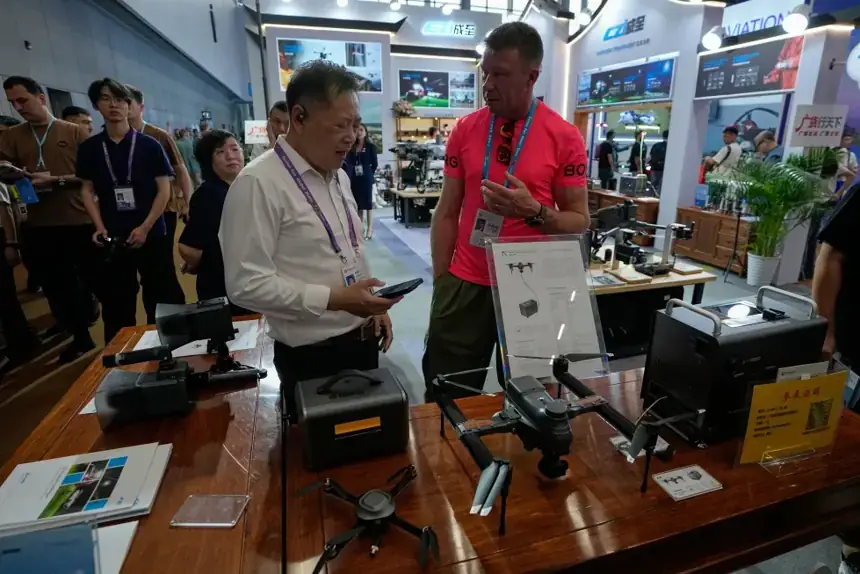
The Beijing drone ban is already affecting retailers and manufacturers, particularly domestic industry leaders. Stores have been instructed to remove drones from shelves, while e-commerce platforms are blocking purchases for customers with Beijing delivery addresses, AP reporting indicates.
Industry observers note that the policy could disrupt local sales even as Chinese companies dominate the global consumer drone market. The restrictions highlight a tension between technological leadership and internal security priorities, especially in a city that serves as China’s political center.
Global Security Context Shapes Policy Direction
The crackdown comes amid growing international scrutiny over drone technology and its potential use in surveillance or conflict. Western governments, including the United States, have moved to restrict Chinese-made drones over national security concerns, according to previous Associated Press reporting.
Experts say Beijing’s decision mirrors a broader global trend in which governments are tightening control over emerging technologies linked to data collection and aerial monitoring. The convergence of domestic regulation and international pressure underscores how drones have become a focal point in technological competition.
Strategic Implications for Governance and Innovation
The new regulations designate Beijing’s entire administrative area as tightly controlled airspace, requiring official approval for any drone-related activity. Analysts argue this could set a precedent for other major cities in China, potentially reshaping the regulatory landscape for urban drone usage.


At the same time, the policy raises questions about balancing innovation with security. While exemptions exist for research and public services, broader restrictions may slow commercial experimentation and limit consumer access in one of the country’s most important markets.
Conclusion
As the Beijing drone ban takes effect, it signals a decisive shift toward stricter governance of low-altitude technologies in China’s capital. The policy is likely to influence both domestic regulatory trends and global debates over the security risks and economic value of drone technology.