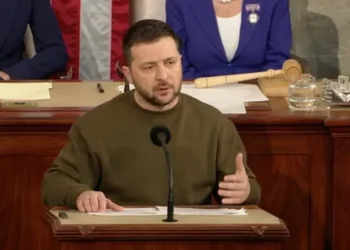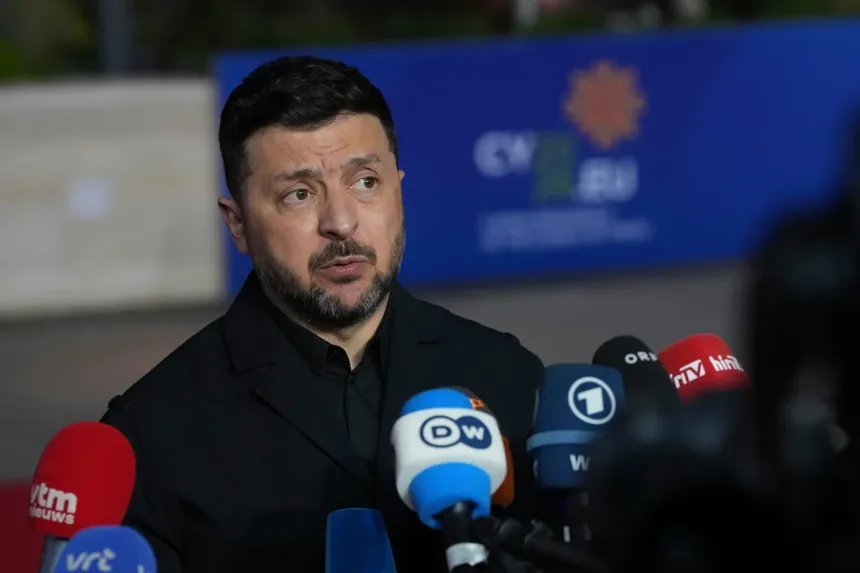
Ukraine has accused Israel of allowing the import of grain allegedly taken by Russia from occupied Ukrainian territories, with President Volodymyr Zelenskyy warning of potential sanctions against those involved in the trade.
The dispute centers on a shipment that Kyiv says originated from Russian-controlled regions of Ukraine and arrived near an Israeli port, prompting a sharp diplomatic exchange between the two countries. Ukrainian officials argue the issue carries broader international implications, linking it to efforts to enforce sanctions against Russia’s wartime economic activities.
According to reporting by Associated Press, Ukraine maintains that such shipments are not isolated incidents and has urged Israel to take action, warning that continued imports could damage bilateral relations and trigger coordinated sanctions with European partners.

Diplomatic Tension Builds Over Ukraine Grain Dispute
Ukrainian authorities say they have repeatedly alerted Israel to shipments of what they describe as “stolen” grain, asserting that Russia has exported agricultural products from occupied areas since the early stages of the war.
Kyiv has summoned Israel’s ambassador and issued formal protests, arguing that allowing such cargo into commercial markets undermines international law and indirectly supports Russia’s war economy. Officials say evidence has been shared through diplomatic channels, though details have not been made public.
President Zelenskyy warned that Ukraine is preparing a sanctions package targeting individuals and companies involved in transporting or purchasing the grain, signaling a potential expansion of economic pressure measures beyond Russia itself.
Israel Rejects Allegations and Seeks Legal Clarity
Israeli officials have pushed back against the accusations, stating that there is no conclusive proof the shipment entered Israeli markets or that it originated from occupied Ukrainian territories.
Foreign Minister Gideon Sa’ar criticized Kyiv’s approach, saying Ukraine had not provided sufficient legal documentation or formal cooperation to substantiate its claims. Israeli authorities have also indicated that an investigation is underway to determine the facts surrounding the shipment.
■ Related News



The dispute highlights differences in legal standards and diplomatic channels, with Israel emphasizing the need for verifiable evidence, while Ukraine insists the pattern of shipments demonstrates a systemic issue.
Sanctions Pressure and European Response
The European Union has signaled concern over the allegations, warning that entities involved in trading grain sourced from occupied Ukrainian territories could face sanctions. European officials view the issue as part of a broader effort to prevent circumvention of existing restrictions on Russia.
Analysts note that the dispute comes at a sensitive moment, as Western governments continue to tighten economic pressure on Moscow while seeking to maintain unity among partners. Any divergence in enforcement could complicate collective sanctions strategies.
Strategic Stakes for Global Food and Trade
The controversy underscores the wider geopolitical significance of agricultural exports in the war. Ukraine, a major global grain supplier, has repeatedly accused Russia of seizing and exporting its agricultural products, a practice that could distort markets and affect global food security.
Tracing the origin of grain shipments has proven difficult, as commodities are often mixed during transport, complicating enforcement efforts and raising challenges for importing countries attempting to verify supply chains.
Outlook: Diplomatic Fallout Could Expand
The dispute risks straining Ukraine’s relations with Israel, which has sought to balance its ties with both Kyiv and Moscow throughout the conflict.
While Israel has denied wrongdoing, Ukraine’s threat of sanctions—and the possibility of coordinated action with European partners—suggests the issue could escalate further if unresolved.
For now, the Ukraine grain dispute highlights how economic dimensions of the war continue to generate new diplomatic flashpoints, with implications for sanctions enforcement, trade flows, and international alignment in the conflict.