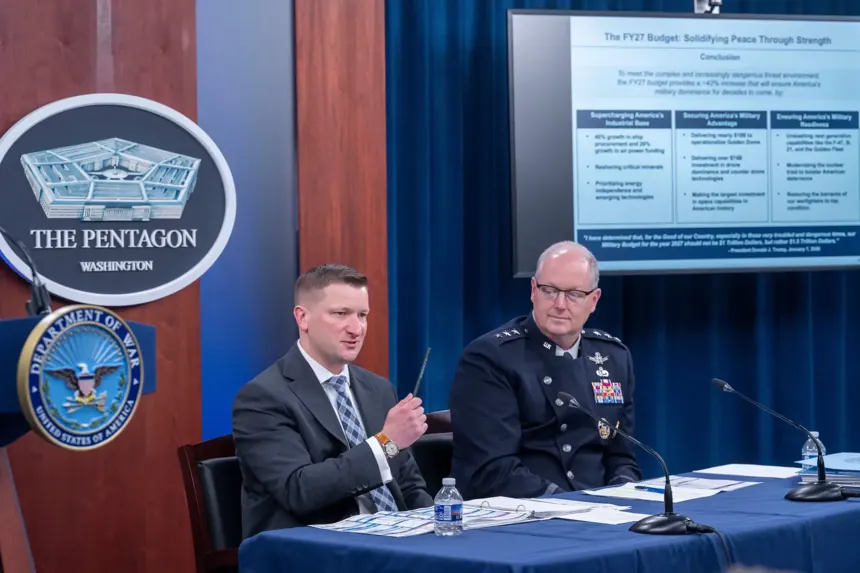
The United States is moving to significantly expand military spending on drones and air defense systems, with the Pentagon proposing a major increase in its 2027 budget shaped by lessons from the ongoing Iran conflict. The plan underscores a strategic pivot toward countering drone warfare and sustaining high-intensity operations across multiple regions.
The proposed spending boost—centered on drone capabilities and missile defense—comes as U.S. forces continue to face persistent aerial threats from Iranian drones and ballistic systems. The shift highlights how recent battlefield dynamics are influencing long-term defense planning and global military posture.
According to reporting from The Associated Press, U.S. military officials are advocating for tens of billions of dollars in new funding, including a dramatic expansion of drone programs and investments in air defense systems used extensively in the Iran war.

Strategic Realignment Toward Drone-Centric Warfare
At the core of the proposal is a plan to more than triple spending on drones and related technologies, with allocations exceeding $70 billion. The Pentagon is also seeking over $30 billion for munitions, including missile interceptors such as Patriot and THAAD systems, which have been heavily deployed against Iranian attacks.
Military planners argue that the Iran conflict has demonstrated the effectiveness of lower-cost, high-volume weapons systems, particularly unmanned aerial vehicles. Analysts say this marks a shift away from reliance solely on high-end platforms toward scalable, attrition-based warfare models.
This evolving doctrine reflects broader global trends, with conflicts in both the Middle East and Eastern Europe reinforcing the growing importance of drones in modern combat environments.
Air Defense Demands Surge Amid Sustained Threats
The Pentagon’s request also prioritizes expanded air defense capabilities, including systems designed to intercept drones and incoming missiles. Officials say these systems have been critical in defending U.S. bases and allied infrastructure in the Middle East.
Recent operations have required sustained use of interceptors, straining existing stockpiles and exposing production bottlenecks. Analysts warn that replenishing these systems could take years, raising concerns about readiness for other potential conflicts.




Reporting indicates that the U.S. intercepted large numbers of Iranian drones and missiles during the conflict, reinforcing the need for robust defensive networks capable of handling prolonged engagements.
Industrial Capacity and Supply Constraints Emerge
A key challenge facing the Pentagon is the capacity of the defense industrial base to meet increased demand. The proposed budget includes a significant rise in procurement of systems such as Tomahawk missiles, reflecting their extensive use in recent operations.
However, defense analysts caution that production timelines for advanced munitions remain lengthy, with some systems requiring several years to replenish. This constraint has prompted calls for expanded manufacturing capacity and more efficient supply chains.
The emphasis on quantity—alongside capability—signals a recognition that future conflicts may involve sustained resource consumption rather than short, decisive engagements.
Global Implications for Military Planning
The U.S. budget proposal is being closely watched by allies and competitors alike, as it signals a broader shift in how major powers are preparing for conflict. Increased investment in drones and air defense is likely to influence defense strategies across NATO and beyond.
At the same time, the scale of the proposed spending—part of a wider defense plan that could reach historic levels—may intensify debates in Washington over fiscal priorities and military commitments.
Looking ahead, the Pentagon’s approach suggests that future warfare will be defined by a combination of technological innovation and industrial capacity. The outcome of budget negotiations will determine how quickly the United States can adapt to this evolving security environment.