A fragile Lebanon-Israel truce is holding for now, offering a tentative pause in cross-border hostilities and allowing thousands of displaced civilians to return to their homes, in a development with significant implications for regional stability. The ceasefire, brokered by the United States, has reduced immediate violence along the volatile frontier, though officials and analysts warn the situation remains highly precarious.
The agreement follows weeks of escalating exchanges between Israeli forces and Hezbollah fighters that raised fears of a broader regional conflict. While the lull in fighting has enabled humanitarian movement and partial restoration of daily life in affected areas, the durability of the truce remains in question amid unresolved political and military tensions.
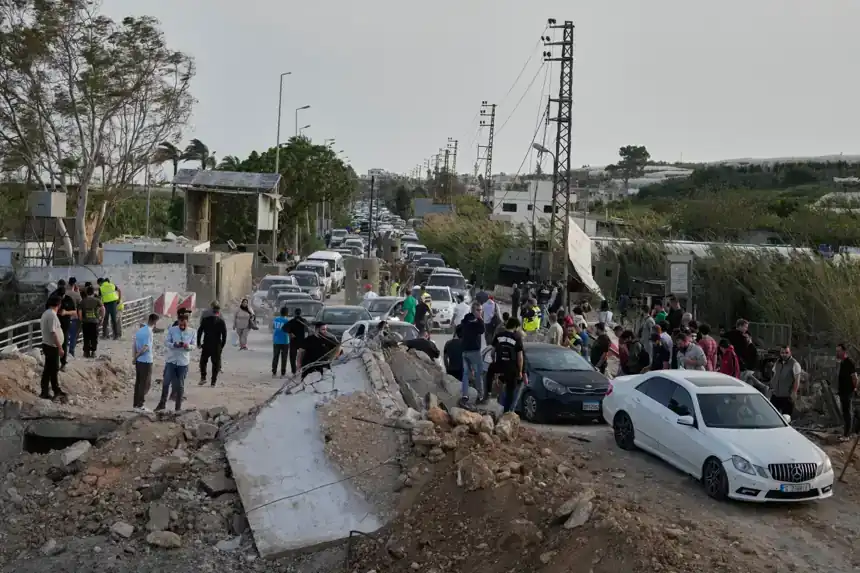
Reporting from The Associated Press indicates that families who fled southern Lebanon during the height of the clashes have begun cautiously returning, navigating damaged infrastructure and uncertain security conditions. Local authorities have urged vigilance, noting that the ceasefire remains informal and dependent on continued restraint by both sides.

Diplomatic Pressure Builds Around Lebanon-Israel Truce
The Lebanon-Israel truce reflects intensified diplomatic efforts by Washington to prevent further escalation in a region already strained by multiple conflicts. US officials have engaged both Israeli authorities and Lebanese intermediaries in an attempt to sustain the ceasefire framework, emphasizing the risks of miscalculation along the border.
Analysts interviewed by international media outlets suggest the truce serves immediate strategic interests for both parties. Israel appears focused on avoiding a multi-front confrontation, while Hezbollah may be seeking to recalibrate after sustained exchanges. However, the absence of a formal agreement leaves the arrangement vulnerable to collapse.
Regional Stability Tested by Ongoing Uncertainty
Despite the relative calm, the broader security environment remains fragile. Sporadic incidents and mutual accusations continue to underscore the volatility of the situation, with military forces on both sides maintaining heightened alert levels.
Observers note that the ceasefire does not address underlying drivers of conflict, including territorial disputes and Hezbollah’s military presence near the Israeli border. Without structural de-escalation measures, the current pause risks becoming a temporary reprieve rather than a pathway to sustained peace.
Humanitarian Conditions Begin to Improve
The truce has enabled humanitarian access to previously contested areas, allowing aid organizations to assess damage and provide assistance to returning residents. Displaced families are beginning to rebuild, though many face destroyed homes, disrupted services, and limited resources.
■ Related News




Relief efforts are expected to intensify in the coming days, but humanitarian agencies warn that recovery will depend heavily on continued stability. The return of civilians also raises logistical challenges, including the need for infrastructure repair and security assurances.
Strategic Stakes Rise for International Actors
The ceasefire carries broader geopolitical significance as global powers monitor developments closely. The United States’ role in brokering the truce underscores its continued engagement in Middle Eastern security dynamics, while regional actors remain wary of spillover effects.
Diplomats caution that any breakdown in the ceasefire could rapidly escalate tensions, potentially drawing in additional parties and complicating already delicate regional balances. As such, sustaining the current calm is viewed as critical not only for Lebanon and Israel but for wider international stability.
The coming days will test whether the Lebanon-Israel truce can evolve into a more durable arrangement or whether it will unravel under the weight of unresolved tensions, with significant consequences for regional security.