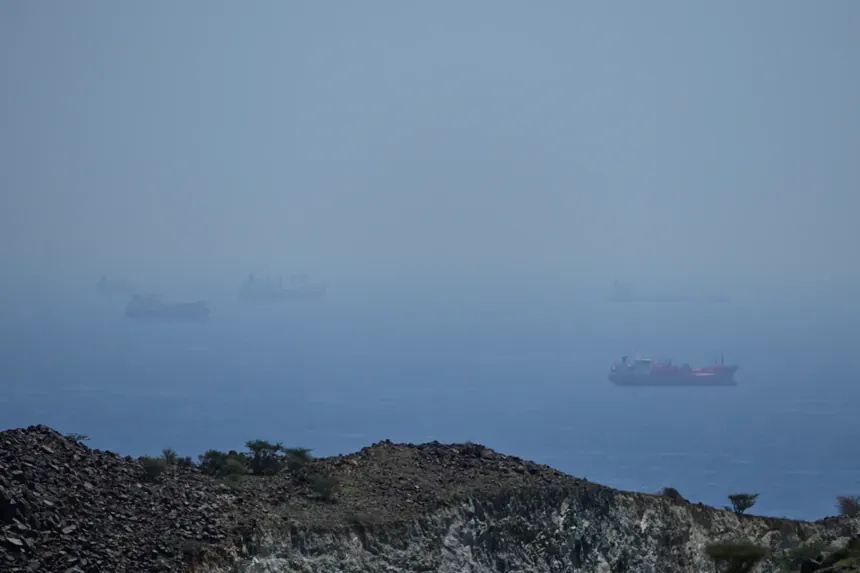
Oil prices moved higher in global markets following renewed tensions between the United States and Iran in the Strait of Hormuz, a critical maritime corridor for energy shipments. The disruption, which left several oil tankers delayed, has heightened concerns over potential supply constraints and added volatility to crude benchmarks.
Brent crude futures rose by roughly 1–2% in early trading sessions, while U.S. West Texas Intermediate (WTI) also recorded gains, according to market data cited by Reuters and Bloomberg. The increases reflect investor sensitivity to geopolitical risks in a region that accounts for a significant share of global oil exports.
Market participants are closely monitoring the situation as the Strait of Hormuz handles nearly one-fifth of the world’s oil supply. Any prolonged disruption could have broader implications for pricing, shipping costs, and energy security, particularly in import-dependent economies across Asia and Europe.

Supply Risk Reassessment Drives Market Reaction
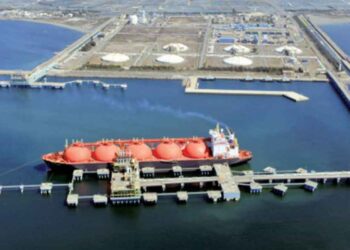
The latest price movement follows reports that tanker traffic slowed after heightened military posturing between U.S. and Iranian forces. According to shipping data referenced by The Associated Press, multiple vessels experienced delays, raising concerns about logistical bottlenecks.
Analysts noted that even temporary disruptions in the Strait tend to trigger immediate price responses due to limited alternative routes. Industry figures indicate that rerouting shipments significantly increases transit time and costs, adding pressure to already tight supply chains.
Market data compiled by Bloomberg shows that crude prices have remained sensitive to geopolitical developments in the Middle East throughout the year, with risk premiums fluctuating alongside security incidents.
Strategic Importance of the Strait of Hormuz
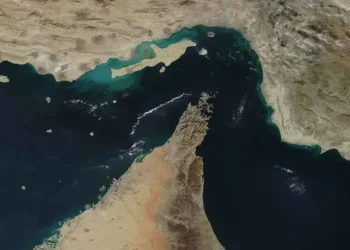
The Strait of Hormuz remains one of the world’s most critical energy chokepoints. According to data from international energy agencies, approximately 17 million to 20 million barrels of oil pass through the passage daily.
Any escalation in tensions could lead to further shipping disruptions or insurance cost increases for tanker operators. Analysts interviewed by the Financial Times noted that even without a full blockade, heightened military activity can deter commercial traffic and tighten supply expectations.
■ Related News



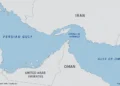
The situation also underscores the limited redundancy in global oil transport infrastructure, with few viable alternatives capable of handling comparable volumes.
Industry and Policy Implications
Energy companies and policymakers are likely to reassess contingency planning as tensions persist. According to reports from The Wall Street Journal, shipping firms may increase risk premiums, while governments could consider strategic petroleum reserve adjustments if disruptions escalate.
In the near term, traders are expected to remain focused on real-time developments in the region, with price movements closely tied to any changes in military or diplomatic activity.
While no sustained supply outage has been confirmed, the current standoff highlights the fragility of global oil logistics and the continued influence of geopolitical risk on energy markets.